How to Fix ABS Warning Light: Causes, Diagnosis & Solutions
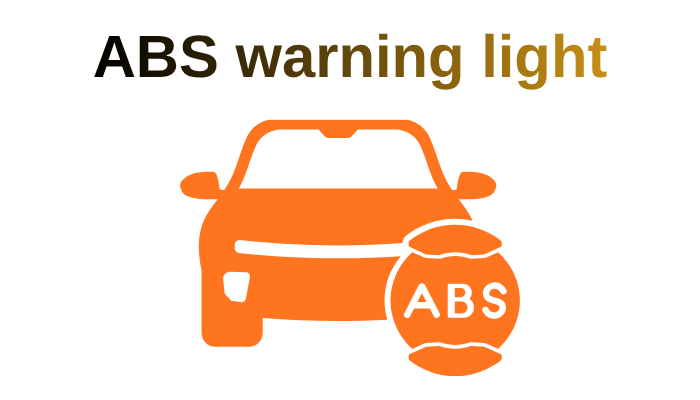
ABS warning light
Category: How To Fix
System: ABS (Anti-lock Braking System)
Severity: High — Do not ignore
What Does the ABS Warning Light Mean?
When the ABS warning light illuminates on your dashboard, your vehicle’s anti-lock braking system has detected a fault and disabled itself. This does not mean your regular brakes have failed — your car will still stop — but the ABS system that prevents your wheels from locking up during hard braking is no longer active.
Driving without ABS is significantly more dangerous in wet, icy, or emergency braking situations. Address this warning as soon as possible.
Common Causes of the ABS Warning Light
- Faulty wheel speed sensor — The most common cause. One or more sensors are sending incorrect or no signal to the ABS module
- Damaged wheel speed sensor wiring — Frayed, corroded, or broken wires between the sensor and the control module
- Low brake fluid level — Some vehicles trigger the ABS light when brake fluid drops below the minimum level
- Faulty ABS control module — The ABS module itself has failed or lost power
- Blown fuse — A blown fuse in the ABS circuit cuts power to the system
- Damaged reluctor ring (tone ring) — The toothed ring that wheel speed sensors read is cracked or missing teeth
- Hydraulic pump or solenoid failure — Internal ABS components have failed
- Low battery voltage — A weak battery can cause false ABS faults in some vehicles
How Serious Is the ABS Warning Light?
Serious — do not ignore it.
Your standard braking system remains functional, but without ABS, your wheels can lock up during emergency stops, causing you to lose steering control. This is especially dangerous on wet or icy roads. If the ABS light is on together with the red brake warning light, stop driving immediately and have the vehicle towed — this may indicate a more serious brake system failure.
How to Diagnose the ABS Warning Light
Step 1 — Check the Brake Fluid Level
Open the hood and locate the brake fluid reservoir. If the fluid is below the minimum line, top it up and see if the light clears. If it drops again, you have a brake fluid leak that needs immediate attention.
Step 2 — Check the Fuses
Locate your vehicle’s fuse box (usually under the dashboard or in the engine bay) and check the ABS fuse. A blown fuse is a cheap and easy fix — but if the new fuse blows again, there is a deeper electrical fault.
Step 3 — Scan for Fault Codes
Connect an OBD2 scanner and read the stored fault codes. ABS codes begin with the letter C (chassis). Common codes include:
- C0035 — Left Front Wheel Speed Sensor
- C0040 — Right Front Wheel Speed Sensor
- C0045 — Left Rear Wheel Speed Sensor
- C0050 — Right Rear Wheel Speed Sensor
- C0110 — ABS Motor Circuit Failure
- C0265 — ABS/EBCM Relay Circuit Open
The fault code will point you directly to the problem area.
Step 4 — Inspect the Wheel Speed Sensors
Raise the vehicle and visually inspect each wheel speed sensor. Look for:
- Physical damage to the sensor body
- Frayed, cut, or melted wiring
- Corrosion at the connector
- Debris packed around the sensor
Step 5 — Check the Reluctor Rings
Spin each wheel by hand and inspect the reluctor ring (the toothed ring on the hub or axle). Any cracked, chipped, or missing teeth will cause an erratic sensor signal.
Step 6 — Test the Battery
Use a multimeter to check battery voltage. It should read 12.4–12.7V at rest and 13.7–14.7V with the engine running. A weak battery can cause multiple warning lights including ABS.
How to Fix the ABS Warning Light
Fix 1 — Replace a Faulty Wheel Speed Sensor
This is the most common repair. Wheel speed sensors are typically located at each wheel hub and secured with one or two bolts. After replacement, clear the fault codes and test drive above 25 mph to confirm the repair.
Fix 2 — Repair Damaged Wiring
Inspect the wiring harness from each sensor to the ABS module. Repair any frayed or broken wires using proper automotive wire connectors. Replace corroded connectors entirely.
Fix 3 — Top Up or Replace Brake Fluid
If the brake fluid is low, top it up with the correct specification for your vehicle (check the reservoir cap or owner’s manual). If the fluid is dark and contaminated, a full brake fluid flush is recommended.
Fix 4 — Replace the ABS Fuse
Locate the ABS fuse in your fuse box and replace it with the correct amperage rating. Never use a higher-rated fuse as a substitute.
Fix 5 — Replace the Reluctor Ring
If the reluctor ring is damaged, it may be integrated into the wheel hub assembly. In most cases, the entire hub bearing assembly needs to be replaced.
Fix 6 — Replace or Reprogram the ABS Control Module
This is the most expensive repair and should only be attempted after all other causes have been ruled out. The module may need to be programmed to your specific vehicle after replacement.
How Much Does It Cost to Fix?
| Repair | Estimated Cost (Parts + Labor) |
|---|---|
| Wheel speed sensor replacement | $80 – $250 |
| Wiring harness repair | $100 – $300 |
| Brake fluid top-up / flush | $20 – $120 |
| ABS fuse replacement | $5 – $20 |
| Wheel hub / reluctor ring replacement | $200 – $500 |
| ABS control module replacement | $300 – $900 |
Costs vary by vehicle make, model, and labor rates in your area.
Related Codes
- C0035 — Left Front Wheel Speed Sensor Circuit Malfunction
- C0040 — Right Front Wheel Speed Sensor Circuit Malfunction
- C0045 — Left Rear Wheel Speed Sensor Circuit Malfunction
- C0050 — Right Rear Wheel Speed Sensor Circuit Malfunction
- C0110 — ABS Motor Circuit Failure
- C0265 — ABS/EBCM Relay Circuit Open
Frequently Asked Questions
Can I drive with the ABS warning light on?
You can drive short distances, but your ABS is disabled. Avoid driving in rain, snow, or at high speeds. Your regular brakes still work, but you will lose anti-lock protection during emergency stops.
Will the ABS light turn off by itself?
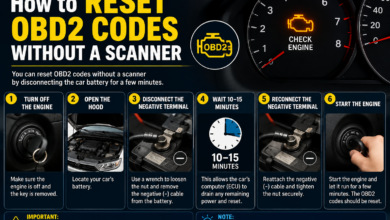
In most cases, no. The light will stay on until the fault is diagnosed and repaired. Disconnecting the battery may temporarily clear the light, but it will return if the underlying problem is not fixed.
Can low battery cause the ABS light to come on?
Yes. A weak or failing battery can cause false ABS faults on many vehicles. Always check battery condition before replacing ABS components.
Is it safe to drive if both the ABS light and brake light are on?
No. If both lights are on simultaneously, stop driving immediately. This combination can indicate a serious brake system failure. Have the vehicle towed to a mechanic.
How do I reset the ABS warning light?
The correct way is to fix the underlying fault and clear the code with an OBD2 scanner. Simply disconnecting the battery is not a permanent solution.
Always consult a certified mechanic for a definitive diagnosis. This guide is for informational purposes only.