White Smoke From Exhaust: Causes & What It Means
As a professional content editor and experienced journalist, I present to you the following article.
White Smoke From Exhaust Causes What It Means
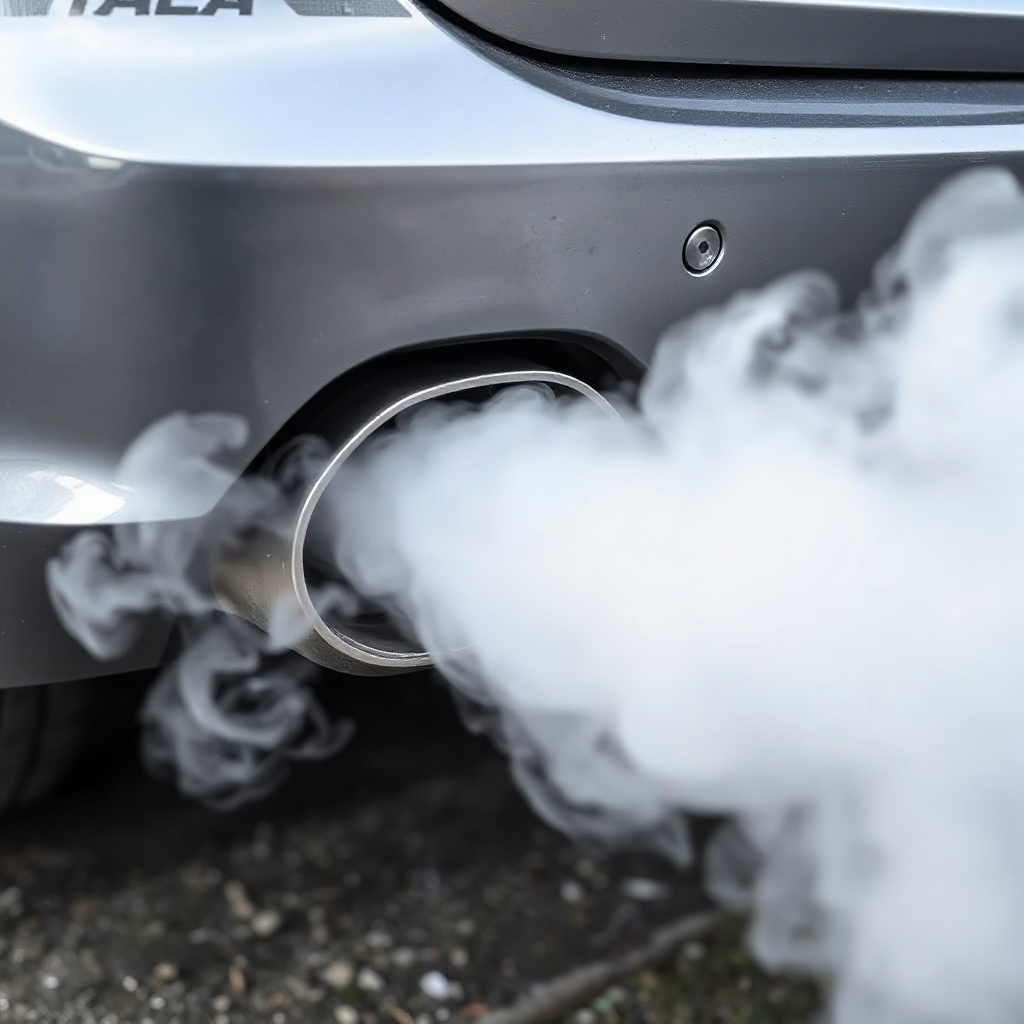
Have you ever noticed white smoke coming out of your car’s exhaust pipe? While it may seem alarming, it’s important to understand the causes behind this issue. In this article, we will delve into the reasons why white smoke occurs, what it signifies, and how to address it.
Condensation and Cold Weather
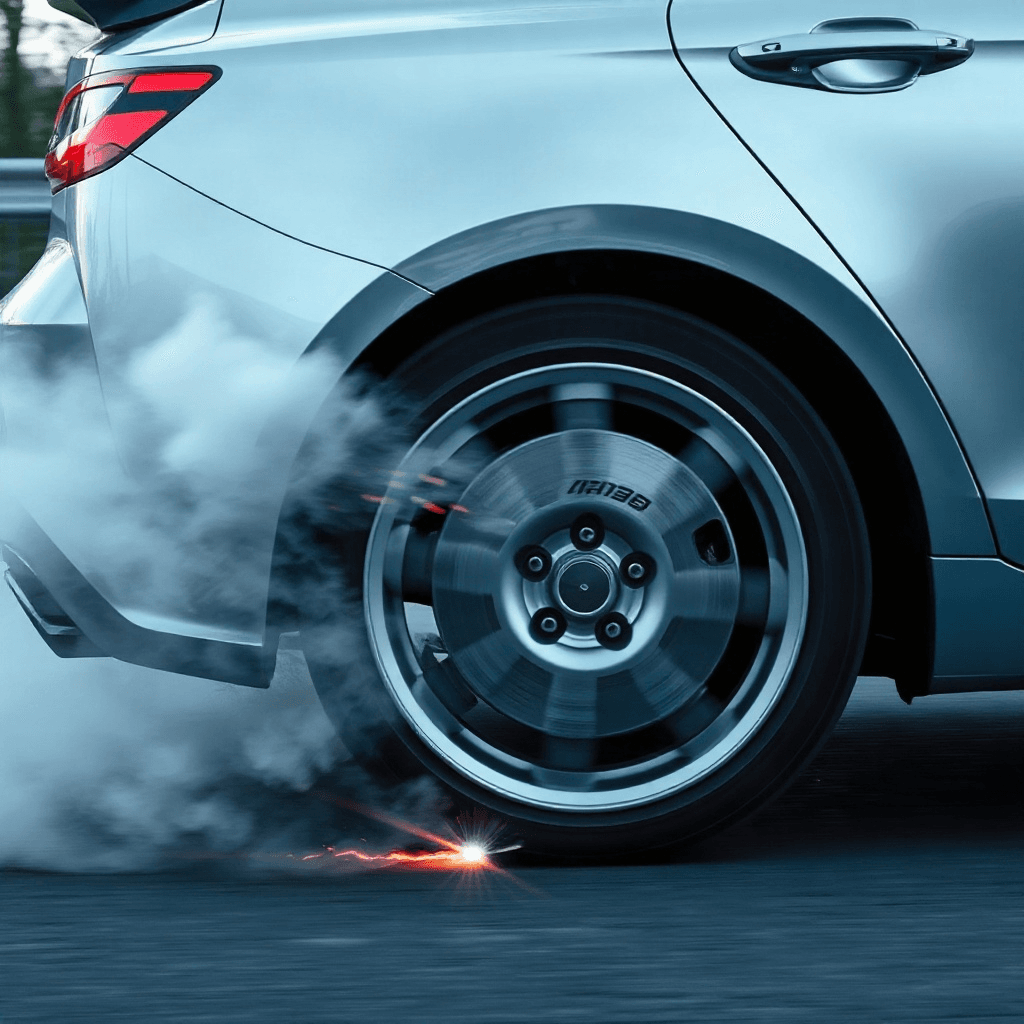
One common cause of white smoke from the exhaust is condensation. During colder months, when the engine temperature is lower, water vapor can mix with the exhaust gases, resulting in white smoke. This phenomenon is usually harmless and should dissipate as the engine warms up.
Coolant Leak
Another possible reason for white smoke is a coolant leak. If the white smoke has a sweet smell, it could indicate that coolant is being burned along with the fuel. In this case, it’s crucial to address the leak promptly to prevent engine damage.
Engine Overheating
In some cases, white smoke can be a sign of engine overheating. When the engine reaches excessive temperatures, coolant can leak into the combustion chamber, causing white smoke to be emitted from the exhaust. Monitoring your engine’s temperature and addressing any overheating issues is essential.
Faulty Fuel Injector
A faulty fuel injector can also lead to white smoke from the exhaust. If the injector is not functioning properly, it may spray too much fuel into the combustion chamber, resulting in white smoke. Regular maintenance and inspection of fuel injectors can help prevent this issue.
Incorrect Fuel Mixture
An incorrect fuel mixture, such as too much fuel or not enough air, can cause white smoke to be emitted from the exhaust. Ensuring that your vehicle’s fuel system is properly calibrated and functioning correctly can help prevent this issue.
Regular Maintenance is Key
In conclusion, white smoke from the exhaust can be caused by a variety of factors, including condensation, coolant leaks, engine overheating, faulty fuel injectors, and incorrect fuel mixtures. Regular maintenance, timely repairs, and proper vehicle care are essential in addressing and preventing this issue.