Fuel Economy Getting Worse: Causes & Solutions
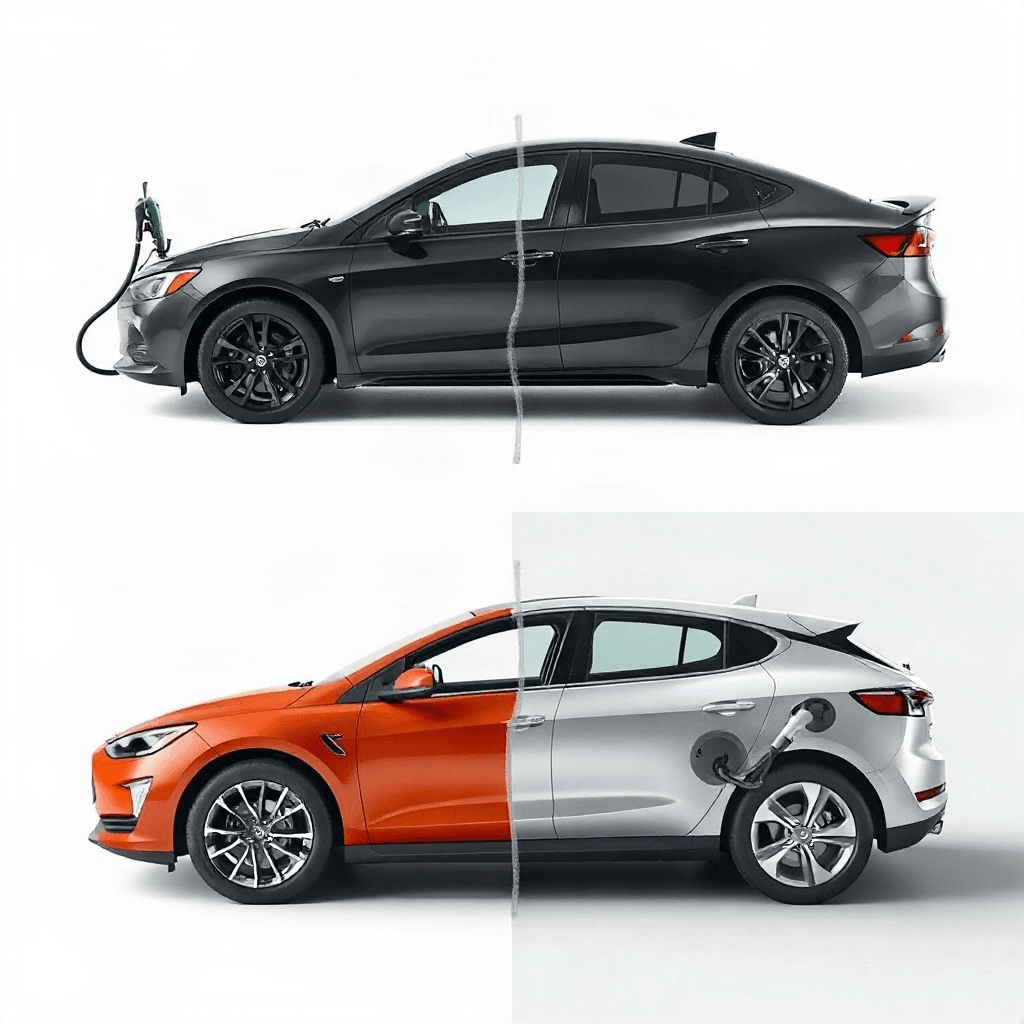
As the demand for fuel-efficient vehicles continues to rise, it’s disheartening to see the fuel economy of many vehicles actually getting worse. This trend poses a significant challenge for both consumers and the environment. In this blog post, we will explore the causes behind this decline in fuel economy and discuss potential solutions to combat this concerning issue.
The Impact of Poor Fuel Economy
Poor fuel economy not only impacts the wallets of consumers but also contributes to increased carbon emissions and environmental degradation. As vehicles consume more fuel, they release higher levels of pollutants into the atmosphere, leading to air pollution and climate change. Additionally, the higher cost of fuel puts a strain on consumers’ budgets, affecting their overall financial well-being.
Vehicle Weight and Aerodynamics
One of the primary reasons for the worsening fuel economy of modern vehicles is the increase in vehicle weight and poor aerodynamic design. As automakers strive to enhance safety features and incorporate advanced technologies, vehicles have become heavier over the years. This added weight requires more fuel to propel the vehicle, resulting in reduced fuel efficiency. Moreover, vehicles with poor aerodynamics experience higher drag, further decreasing fuel economy.
Inefficient Engine Performance
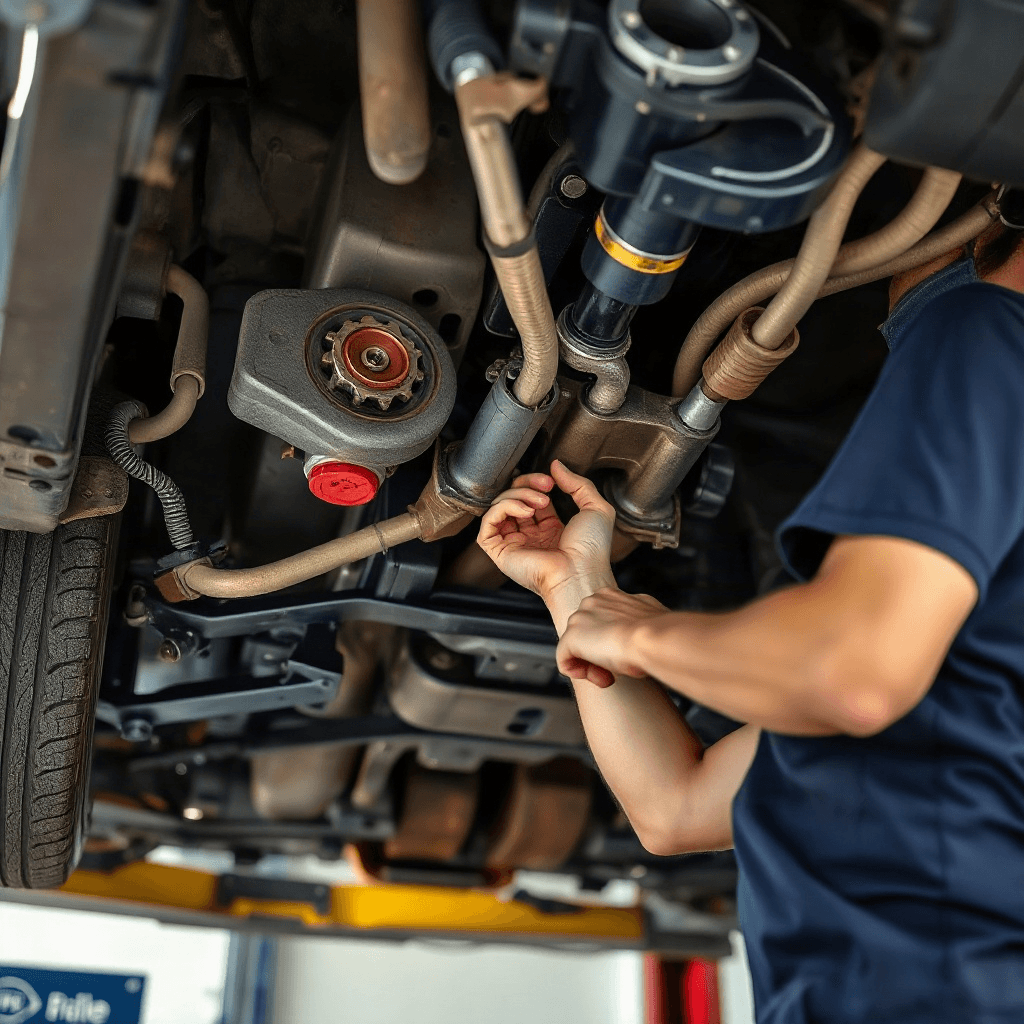
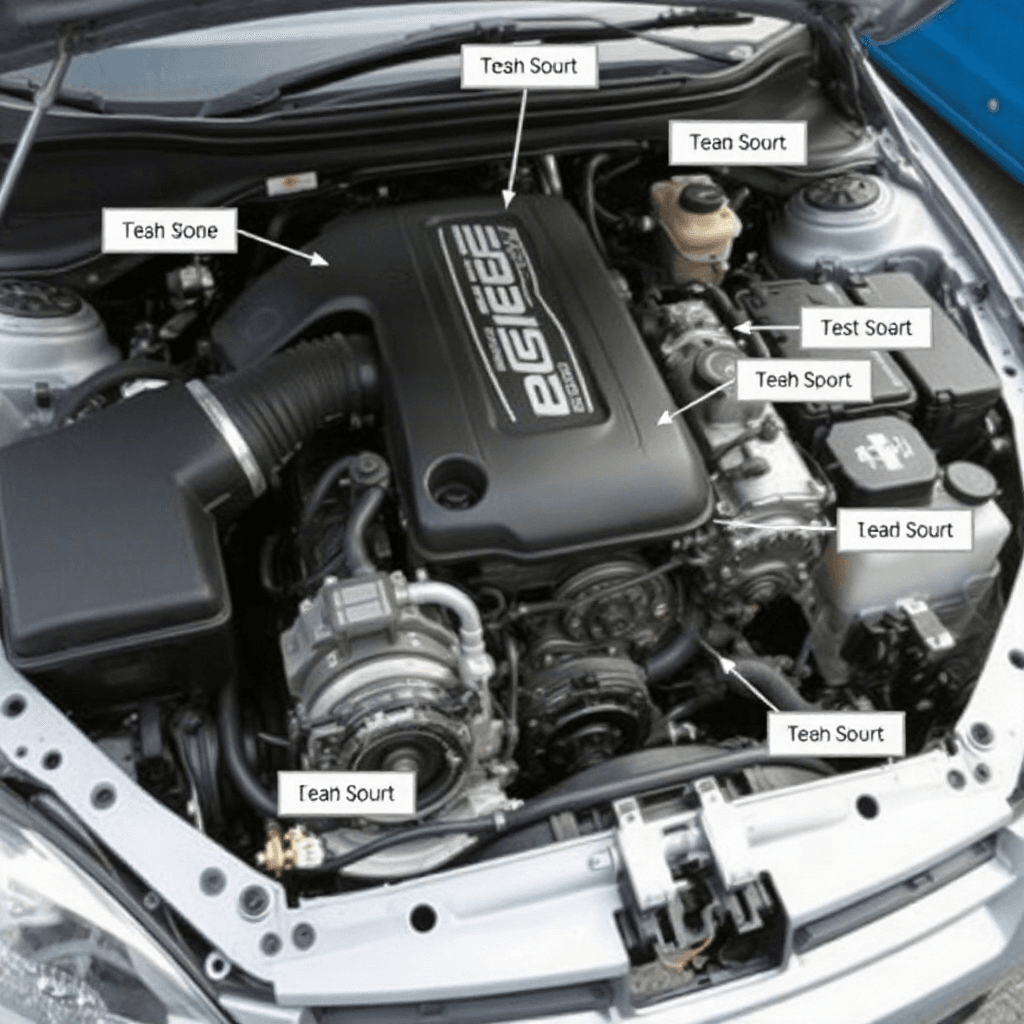
Another factor contributing to declining fuel economy is inefficient engine performance. As vehicles age, their engines may experience wear and tear, leading to decreased efficiency. Additionally, inadequate maintenance practices, such as irregular oil changes or dirty air filters, can further reduce engine performance and fuel efficiency. It is crucial for vehicle owners to prioritize regular maintenance to ensure optimal fuel economy.
Traffic Congestion and Driving Habits
Traffic congestion and aggressive driving habits also play a significant role in diminishing fuel economy. Stop-and-go traffic forces vehicles to consume more fuel as they accelerate and decelerate frequently. Additionally, aggressive driving behaviors like speeding and sudden braking can significantly decrease fuel efficiency. Encouraging the adoption of eco-friendly driving practices and investing in public transportation infrastructure can help alleviate traffic congestion and improve overall fuel economy.
Fuel Quality and Additives
The quality of fuel and the presence of additives can impact a vehicle’s fuel economy. Low-quality fuel or the use of additives with high levels of contaminants can lead to engine deposits and decreased efficiency. It is essential for consumers to choose reputable fuel providers and opt for fuel additives that are compatible with their vehicle’s engine. Regularly monitoring fuel quality can help maintain optimal fuel economy.
Embracing Electric and Hybrid Vehicles
In the face of worsening fuel economy, one of the most effective solutions is the widespread adoption of electric and hybrid vehicles. These alternative fuel vehicles offer superior fuel efficiency and significantly lower emissions compared to traditional gasoline-powered cars. By transitioning to electric or hybrid vehicles, consumers can play a crucial role in reducing their carbon footprint and combatting the decline in fuel economy.
In conclusion, the decline in fuel economy poses a pressing challenge that requires immediate attention and action. By addressing the root causes of poor fuel economy and implementing sustainable solutions, we can pave the way for a more fuel-efficient and environmentally friendly future.