Rollover Sensor Fault: Causes & Fix
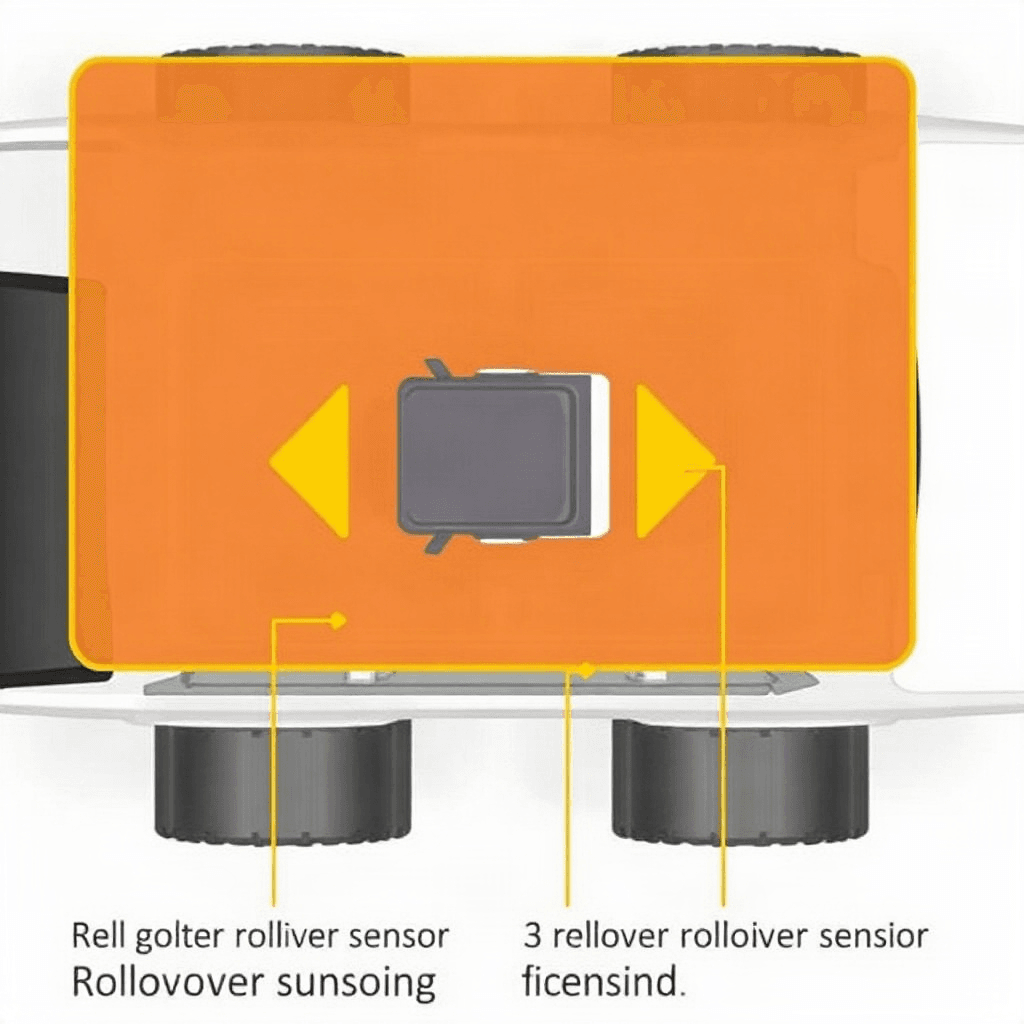
Car accidents can be caused by a variety of factors, and one of the most common issues that can lead to a rollover accident is a faulty rollover sensor. This sensor is crucial for detecting when a vehicle is at risk of rolling over and triggering the necessary safety mechanisms to prevent such an event. In this article, we will explore the causes of rollover sensor faults and discuss possible fixes for this critical component.
Common Causes of Rollover Sensor Faults
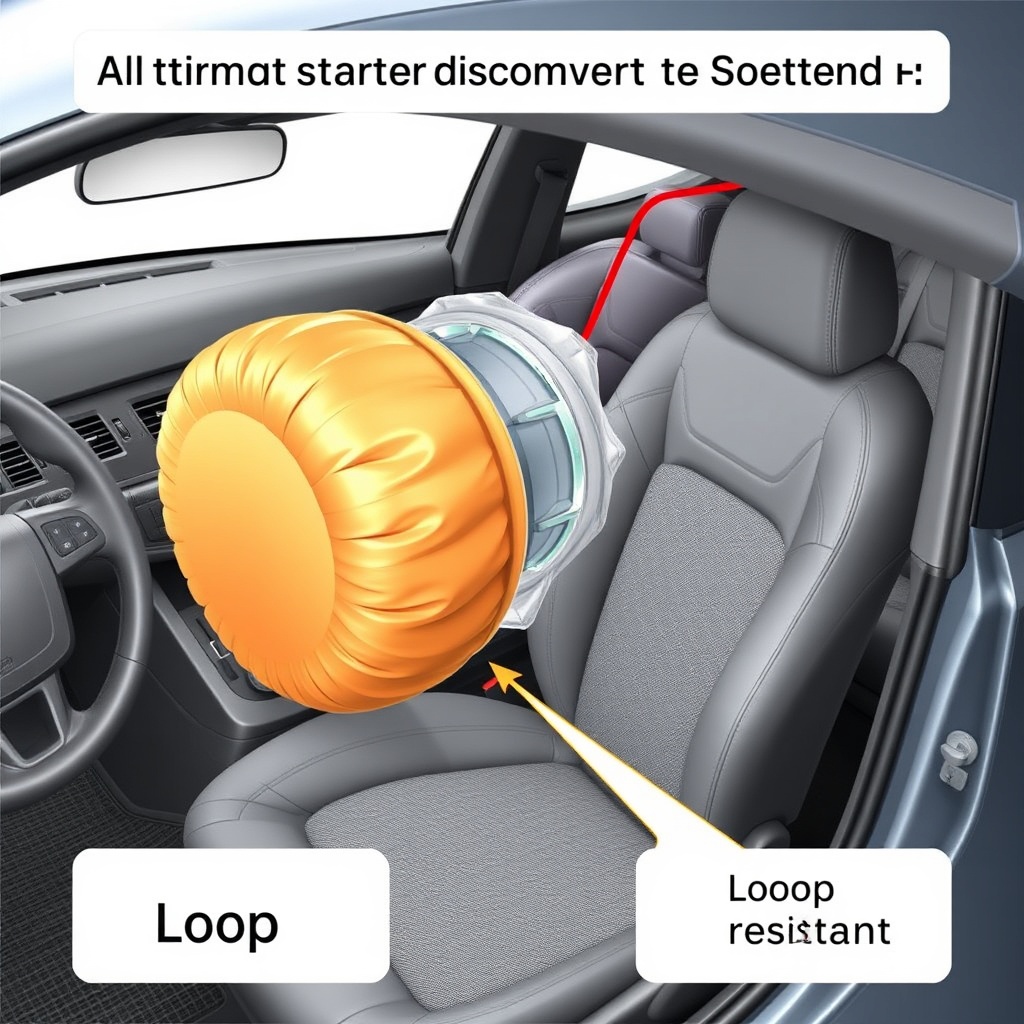
Rollover sensor faults can occur due to a variety of reasons, including electrical issues, sensor damage, or calibration errors. Electrical problems such as short circuits or corrosion can disrupt the sensor’s functionality, leading to inaccurate readings and potential safety risks. Sensor damage from impact or wear and tear over time can also result in malfunctions that compromise the sensor’s effectiveness. Additionally, calibration errors during installation or maintenance can cause the sensor to provide incorrect information to the vehicle’s safety systems.
Symptoms of a Faulty Rollover Sensor
Identifying a faulty rollover sensor is crucial for ensuring the safety of the vehicle’s occupants. Common symptoms of a malfunctioning sensor include false alarms indicating a rollover event when none is occurring, failure to trigger safety mechanisms during an actual rollover, or inconsistent readings that do not align with the vehicle’s behavior. It is essential for drivers to be aware of these signs and address any potential sensor issues promptly to prevent accidents and injuries.
Diagnosing Rollover Sensor Faults
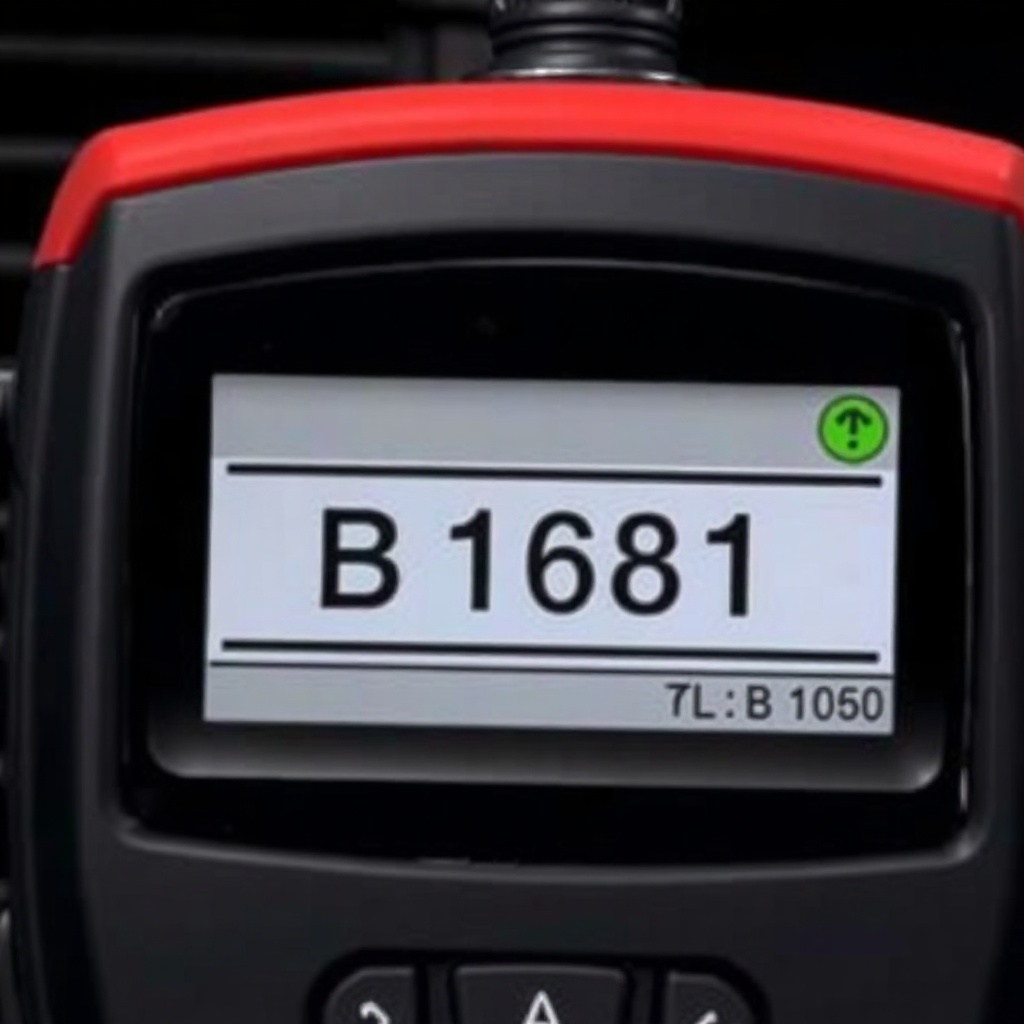
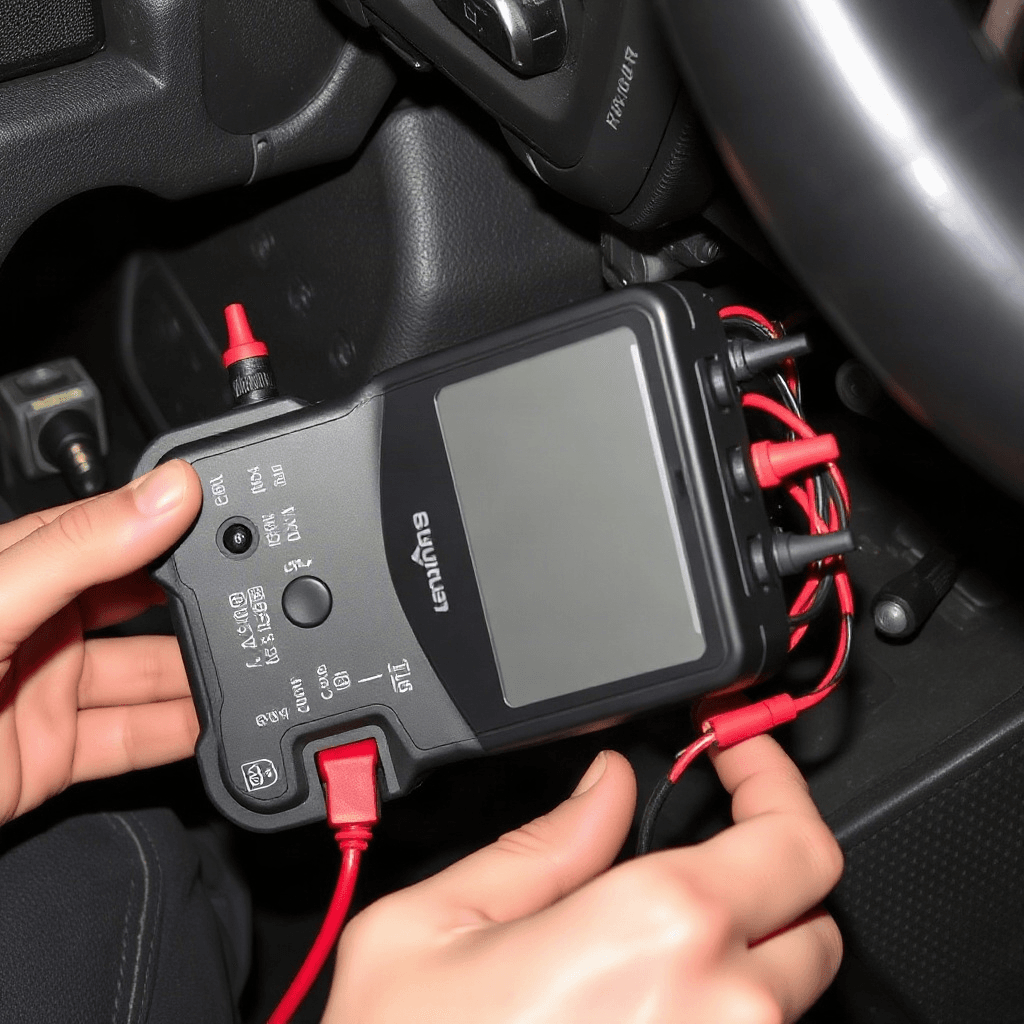
Diagnosing rollover sensor faults requires specialized knowledge and equipment to accurately pinpoint the source of the issue. Technicians may use diagnostic tools to assess the sensor’s performance, check for error codes in the vehicle’s computer system, and conduct physical inspections of the sensor and its wiring. By conducting a thorough diagnosis, technicians can determine the root cause of the sensor fault and recommend the appropriate course of action to resolve the issue.
Fixing Rollover Sensor Faults
Fixing a faulty rollover sensor may involve various steps depending on the nature of the issue. In some cases, repairing electrical connections, replacing damaged components, or recalibrating the sensor may be sufficient to restore its functionality. However, if the sensor is severely damaged or beyond repair, it may need to be replaced with a new unit to ensure the vehicle’s safety systems operate effectively. It is essential to follow manufacturer guidelines and seek professional assistance to properly address rollover sensor faults and prevent potential accidents.
Importance of Regular Maintenance
Regular maintenance and inspection of the rollover sensor and other safety components in a vehicle are essential for ensuring optimal performance and preventing accidents. By following recommended maintenance schedules, drivers can identify and address potential issues before they escalate into serious safety concerns. Periodic checks of the sensor’s functionality, wiring integrity, and calibration can help maintain the sensor’s reliability and contribute to overall vehicle safety on the road.
Conclusion
In conclusion, rollover sensor faults can pose significant safety risks for drivers and passengers, making it crucial to address any issues promptly and effectively. By understanding the common causes of sensor faults, recognizing symptoms of malfunctions, and taking appropriate diagnostic and repair measures, drivers can ensure the proper functioning of this critical safety component. Regular maintenance and proactive measures are key to preventing rollover accidents and promoting road safety for all motorists.