P0505 Code: Idle Control System Malfunction
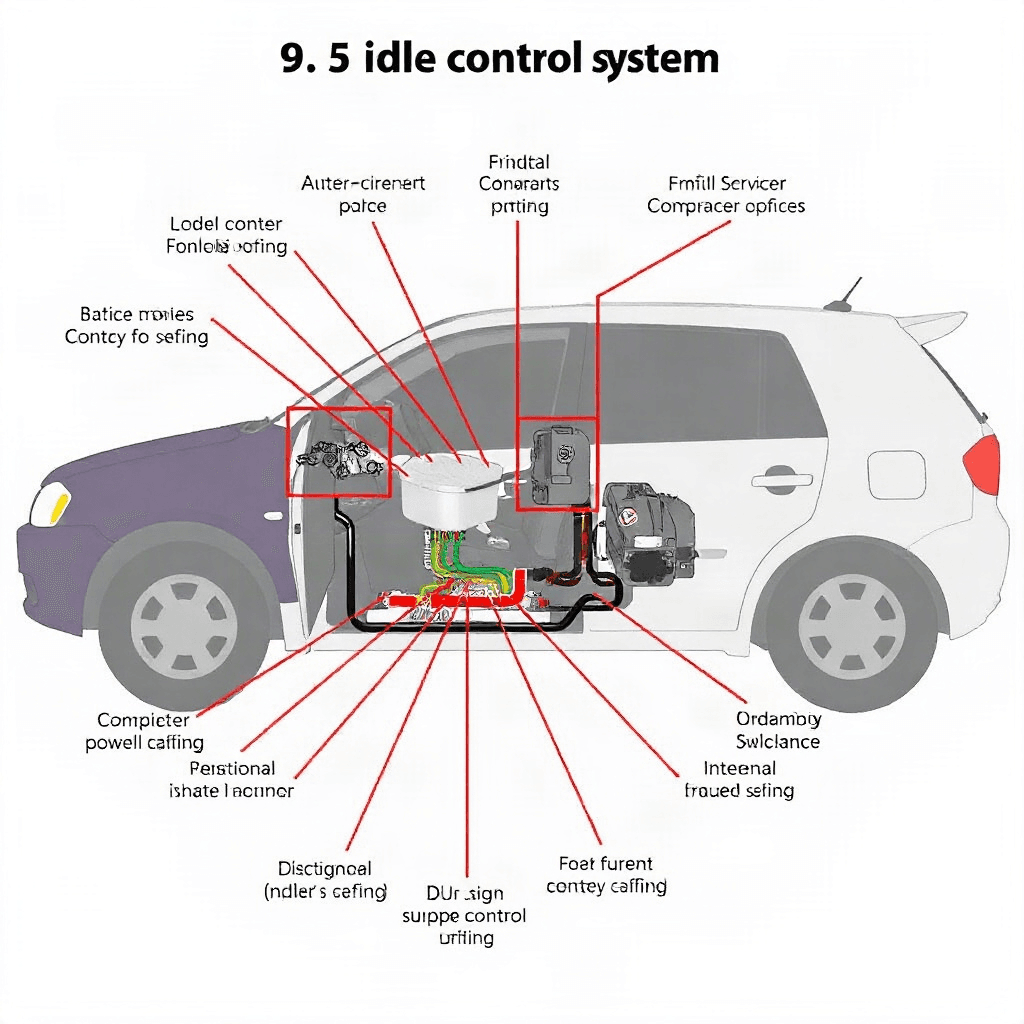
The P0505 code is a common OBD-II trouble code that indicates an issue with the idle control system of a vehicle. When this code appears, it means that the engine’s computer has detected a malfunction in the idle air control system. This can lead to a variety of symptoms, such as fluctuating idle speed, stalling, or rough idling.
Understanding the P0505 Code
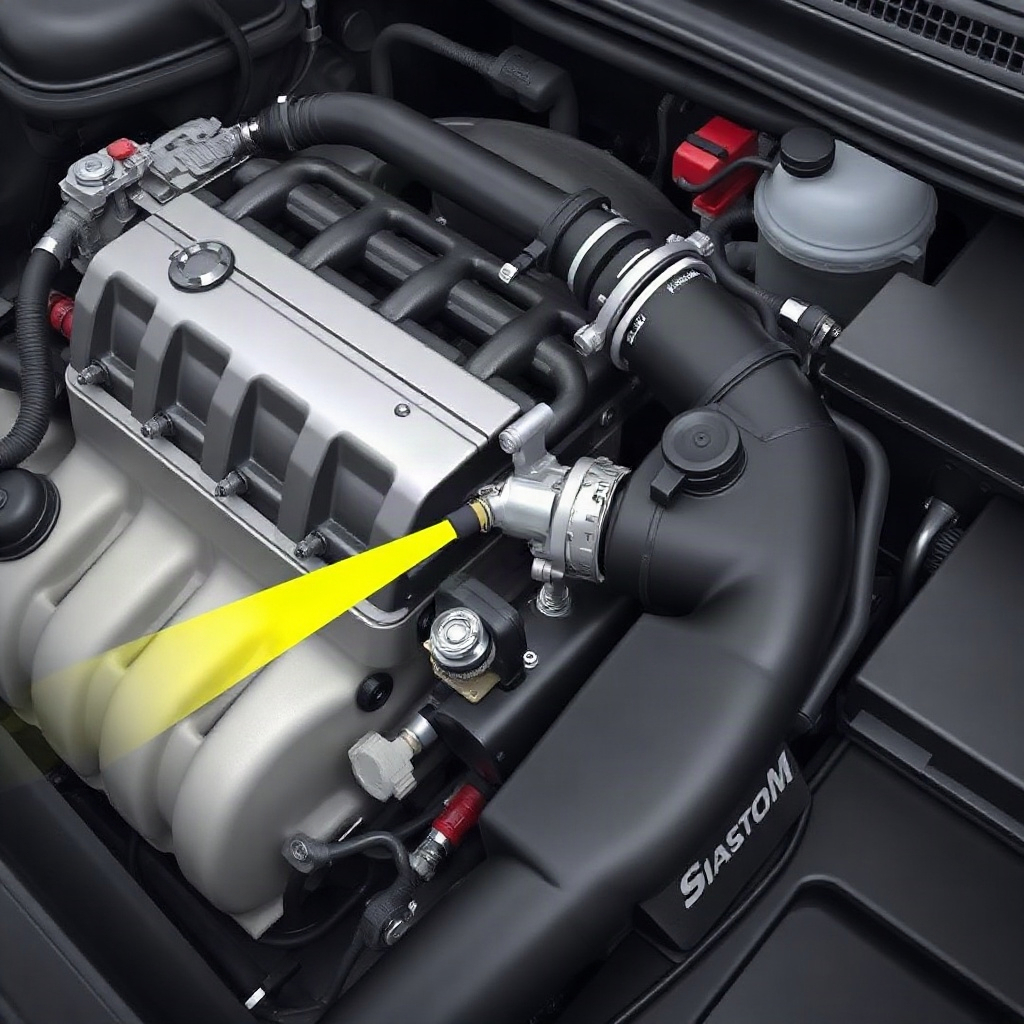
The P0505 code specifically refers to a malfunction in the idle control system of a vehicle. This system is responsible for regulating the engine’s idle speed by controlling the amount of air that enters the engine when the throttle is closed. When the engine is idling, the throttle plate is closed, and the idle control system adjusts the airflow to maintain a stable idle speed.
Causes of the P0505 Code
There are several potential causes for the P0505 code to appear. One common issue is a dirty or faulty idle air control valve, which can disrupt the airflow and cause the engine to idle erratically. Other possible causes include vacuum leaks, a faulty throttle position sensor, or a malfunctioning engine control module.
Symptoms of a P0505 Code
When the P0505 code is triggered, drivers may experience a range of symptoms that indicate a problem with the idle control system. These can include a fluctuating idle speed, stalling when coming to a stop, rough idling, or even difficulty starting the engine. In some cases, the Check Engine light may also illuminate on the dashboard.
Diagnosing and Repairing the P0505 Code
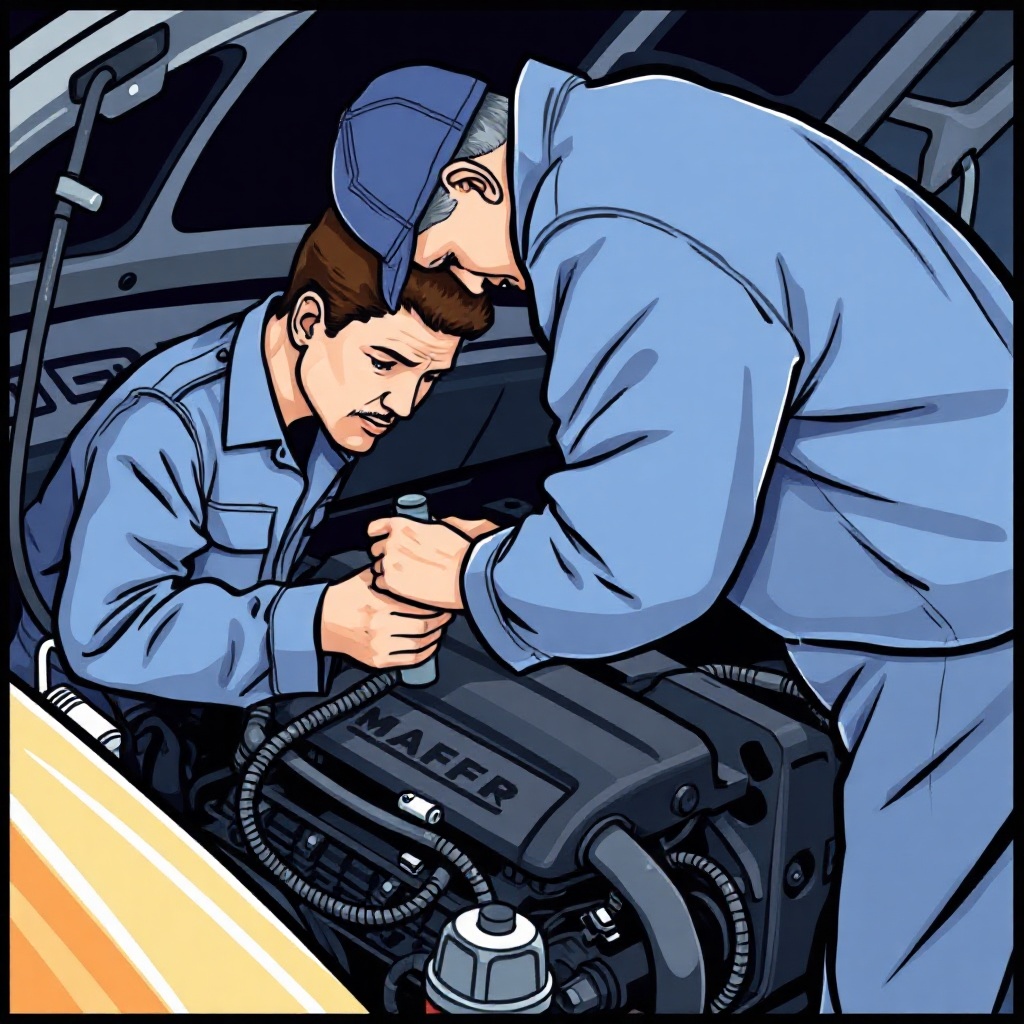
Diagnosing the cause of a P0505 code requires a thorough inspection of the idle control system. This may involve testing the idle air control valve, checking for vacuum leaks, and inspecting the throttle position sensor. Once the issue has been identified, repairs can be made to address the specific problem and clear the trouble code from the engine’s computer.
Preventing Future Issues
To prevent the P0505 code from reappearing in the future, regular maintenance of the idle control system is essential. This includes cleaning or replacing the idle air control valve, checking for vacuum leaks, and ensuring that all sensors are functioning properly. By staying proactive with maintenance, drivers can help prevent idle control system malfunctions.