Car Electronics Going Crazy: Is the BCM to Blame?
Car Electronics Going Crazy: Is the BCM to Blame?
Car electronics have become an essential part of modern vehicles, providing convenience and safety features that enhance the driving experience. However, as technology advances, so do the complexities and potential issues that can arise. One common culprit for electronic malfunctions in cars is the Body Control Module (BCM), a crucial component that controls various electrical systems in the vehicle. In this review, we will delve into the world of car electronics and explore whether the BCM is to blame for the problems drivers encounter.
Understanding the Body Control Module BCM
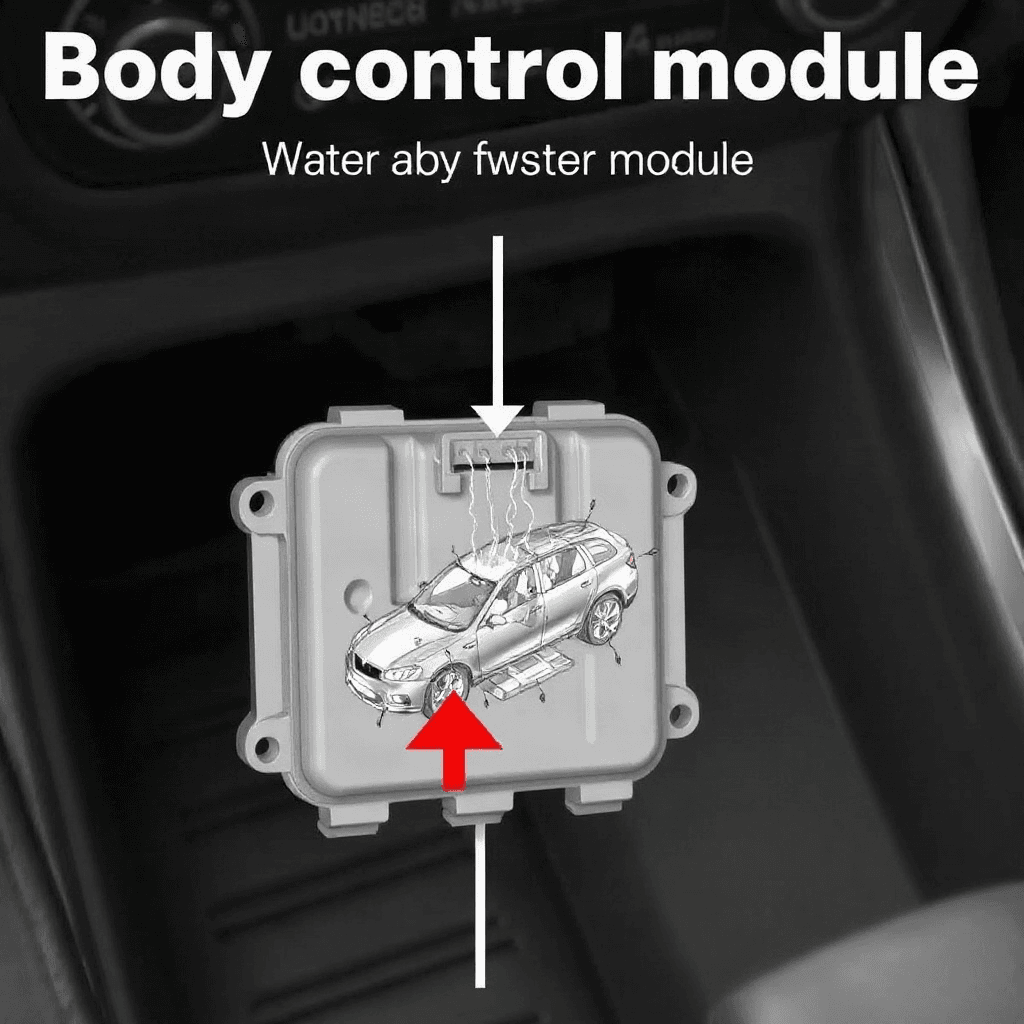
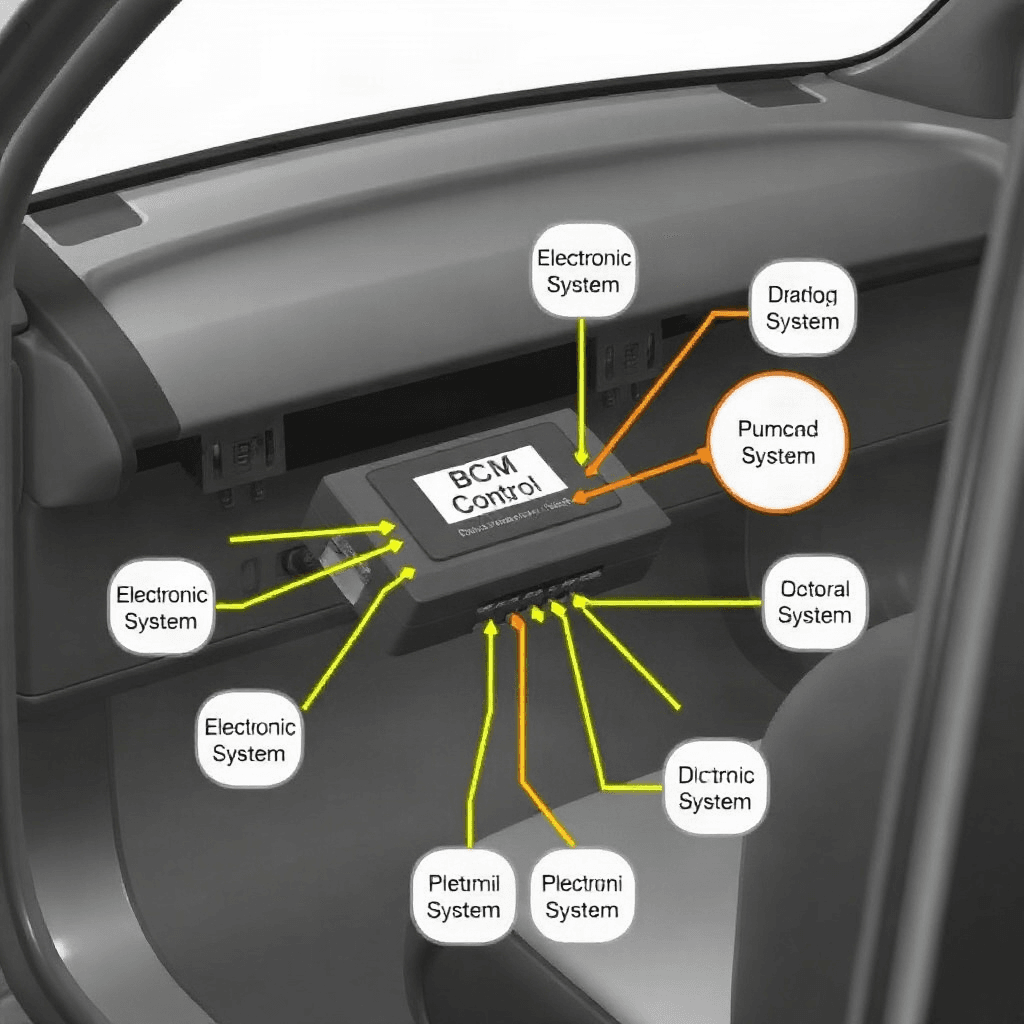
The BCM is a central electronic control unit that manages and integrates numerous functions within a car, such as the lighting system, power windows, door locks, and more. It acts as a communication hub between different electronic modules in the vehicle, ensuring seamless operation of various systems. However, due to its complex nature and extensive responsibilities, the BCM can sometimes be the source of electronic glitches and malfunctions.
Common Issues Linked to the BCM
When the BCM malfunctions, it can lead to a wide range of issues that affect the functionality of different electronic systems in the car. Some common problems associated with a faulty BCM include sporadic power window operation, malfunctioning interior lights, unresponsive door locks, and erratic behavior of the car’s lighting system. These issues can be frustrating for drivers and may compromise the overall safety and comfort of the vehicle.
Diagnosing BCM-Related Problems
Detecting problems related to the BCM requires specialized diagnostic tools and expertise. Technicians use advanced scanning equipment to access the BCM’s internal codes and identify any underlying issues. By analyzing the data provided by the diagnostic tools, they can pinpoint the root cause of the electronic malfunctions and determine whether the BCM is at fault. This diagnostic process is crucial for effectively troubleshooting and resolving electronic issues in a car.
Repairing or Replacing the BCM
Once a BCM-related problem has been identified, the next step is to decide whether to repair or replace the faulty module. In some cases, simple software updates or reprogramming can rectify minor issues with the BCM. However, if the module is damaged beyond repair or has a hardware failure, a replacement may be necessary. Replacing the BCM involves reprogramming it to match the unique specifications of the vehicle, ensuring seamless integration with the car’s electronic systems.
Preventing BCM-Related Failures
To minimize the risk of BCM-related failures, regular maintenance and servicing of the vehicle’s electronic systems are essential. Keeping the BCM and other electronic components clean, dry, and properly connected can help prolong their lifespan and prevent malfunctions. Additionally, following the manufacturer’s recommended maintenance schedule and addressing any warning signs of electronic issues promptly can help avoid costly repairs and ensure the optimal performance of the car’s electronics.
Conclusion
In conclusion, the Body Control Module plays a crucial role in the operation of a vehicle’s electronic systems. While it can be a source of problems when it malfunctions, proper diagnosis, repair, and maintenance can help mitigate these issues. By understanding the functions of the BCM and taking proactive steps to care for it, drivers can enjoy a smooth and reliable driving experience without the disruptions caused by electronic malfunctions.