U0184 Lost Communication With Radio: Causes and Fixes
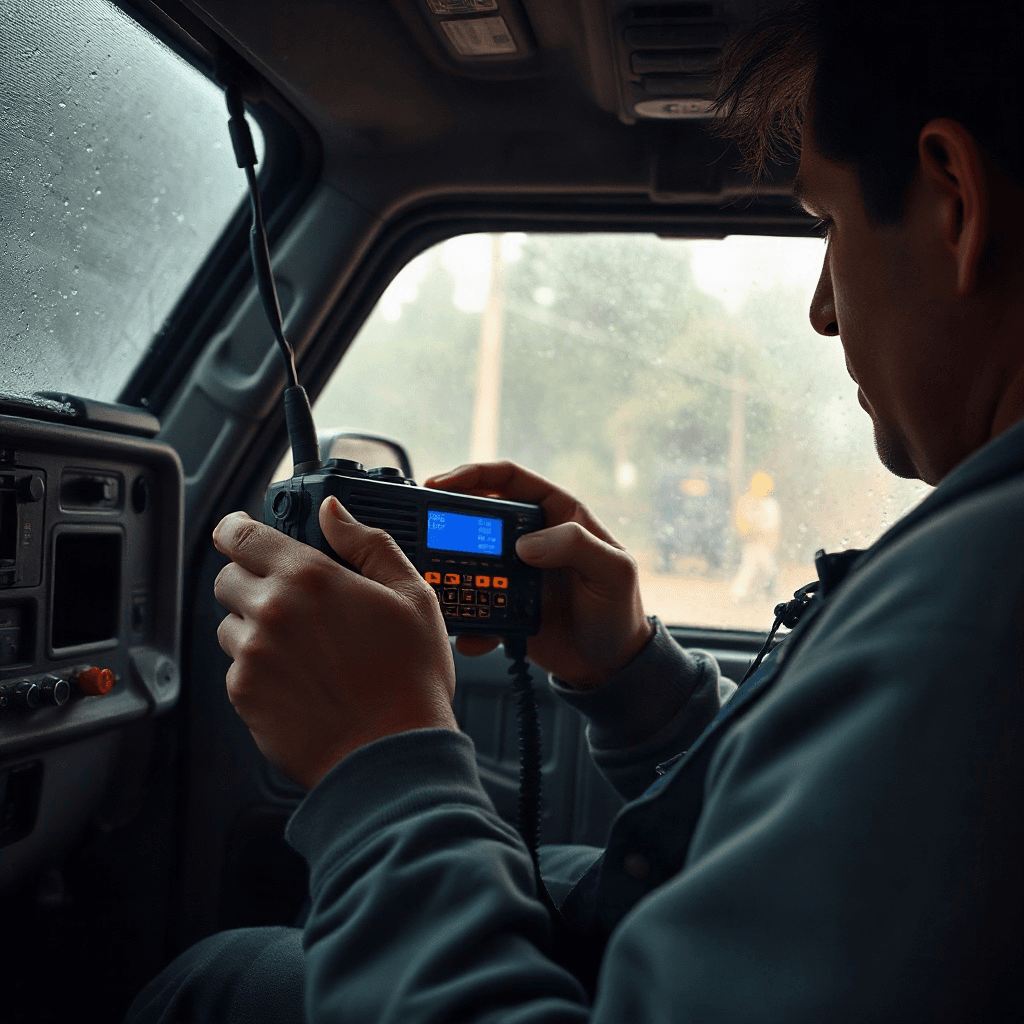
Have you ever experienced the frustrating moment when you lost communication with your radio? Whether you are a pilot, a first responder, or simply an amateur radio enthusiast, losing contact with your radio can be a serious issue. In this article, we will explore the various causes of lost communication with radios and provide some practical fixes to help you stay connected when it matters most.
Common Interference Issues
One of the most common reasons for lost communication with radios is interference. This can be caused by a range of factors, including electronic devices, weather conditions, or even other radio signals in the area. Understanding how interference works and learning how to minimize its impact can help you maintain a clear channel of communication.
Antenna Problems
Another frequent culprit behind lost radio communication is antenna problems. Whether it’s a faulty connection, physical damage, or simply the wrong type of antenna for your needs, issues with the antenna can severely impact your ability to transmit and receive messages. Regular maintenance and proper installation of antennas are essential for reliable communication.
Battery Failures
In situations where radios are used for extended periods of time, battery failures can also lead to lost communication. It’s crucial to regularly check the battery life of your radio and carry spare batteries or a charging device to ensure uninterrupted communication. Being proactive about battery management can prevent unexpected downtime.
Programming Errors
In some cases, lost communication with radios can be attributed to programming errors. Incorrect frequencies, mismatched settings, or outdated software can all contribute to communication breakdowns. Taking the time to double-check your radio’s programming and staying up-to-date with the latest software updates can help you avoid these issues.
Environmental Factors
Environmental factors such as geographic features, atmospheric conditions, or electromagnetic interference can also impact radio communication. Understanding how these factors influence signal strength and clarity can help you make informed decisions about where and when to use your radio. Adaptability and awareness of your surroundings are key in overcoming environmental challenges.
Training and Practice
Ultimately, the best way to prevent lost communication with radios is through training and practice. Familiarizing yourself with your radio equipment, conducting regular drills, and staying current on communication protocols can significantly improve your ability to maintain contact in any situation. Practice makes perfect, especially when it comes to critical communication.