Engine Turns Over Slowly: Battery, Cable, and Starter Symptoms Explained
Starting your car and hearing the engine turn over slowly can be a frustrating experience. In this article, we will explore the common symptoms related to a slow engine start, focusing on the battery, cables, and starter. Let’s dive into the details and understand what causes these issues.
Understanding the Battery
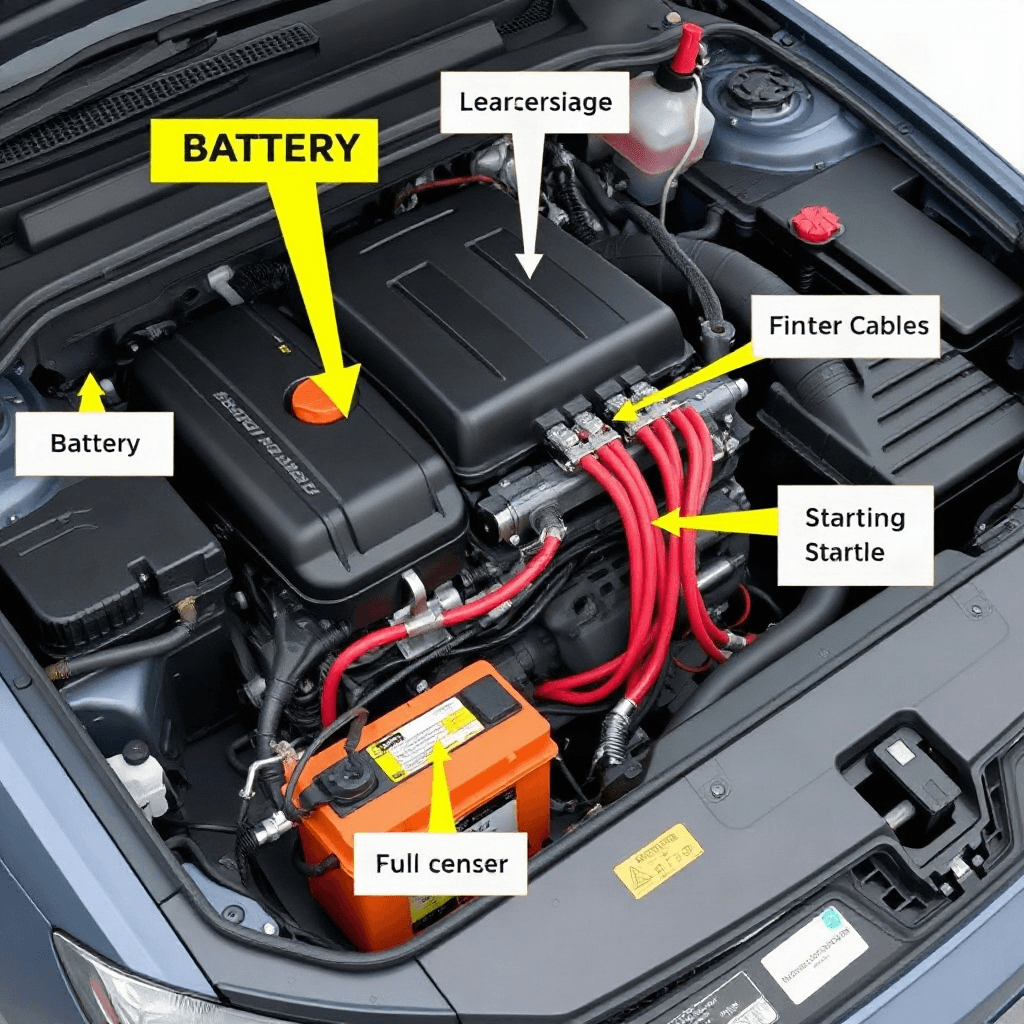
One of the primary reasons for a slow engine turnover is a weak or faulty battery. The battery provides the initial power needed to start the engine. If the battery is old or not holding a charge properly, it can result in a slow crank. Make sure to check the battery voltage and connections regularly to avoid any starting issues.
Checking the Cables
The battery cables play a crucial role in delivering power from the battery to the starter. Corroded or loose cables can create resistance in the electrical system, leading to a slow engine turnover. Inspect the cables for any signs of wear or damage, and ensure they are securely connected to the battery terminals for optimal performance.
Evaluating the Starter
A faulty starter motor can also cause the engine to turn over slowly. The starter is responsible for engaging the engine and initiating the combustion process. If the starter is worn out or failing, it may struggle to turn the engine efficiently, resulting in a slow start. Consider testing the starter motor and solenoid to determine if they need to be replaced.
Maintenance Tips for Optimal Performance
To prevent slow engine turnover, it’s essential to maintain your vehicle’s electrical components regularly. Keep the battery terminals clean and free of corrosion, tighten any loose connections, and replace worn-out cables or components as needed. Following a routine maintenance schedule can help prolong the lifespan of your battery, cables, and starter.
Seeking Professional Assistance
If you continue to experience issues with a slow engine turnover, it’s advisable to seek professional help. A qualified mechanic can conduct a thorough inspection of your vehicle’s electrical system and diagnose any underlying problems. Don’t hesitate to address any starting issues promptly to avoid further damage or inconvenience.
Conclusion
In conclusion, a slow engine turnover can be attributed to various factors, including a weak battery, faulty cables, or a failing starter. By understanding these symptoms and taking proactive measures to maintain your vehicle’s electrical system, you can ensure a smooth and reliable start every time. Remember to prioritize regular maintenance and address any issues promptly to keep your car running smoothly.