How to Check Injector Pulse with a Noid Light Before Replacing Injectors

Checking the injector pulse before replacing injectors is a crucial step in diagnosing fuel injector issues in a vehicle. The injector pulse refers to the signal that activates the fuel injector to deliver fuel into the engine. By using a Noid light, a specialized tool designed to check injector pulses, you can easily determine if the injectors are receiving the signal to fire. This can save you time and money by ensuring that the injectors are actually the problem before replacing them.
Understanding Injector Pulse
Before we dive into how to check injector pulse with a Noid light, it’s important to understand what injector pulse is and why it’s important. Injector pulse is the electrical signal sent by the engine control unit (ECU) to the fuel injectors to open and deliver fuel into the combustion chamber. This signal is timed precisely to ensure the correct amount of fuel is injected at the right moment for optimal engine performance.
Locating the Injector Harness
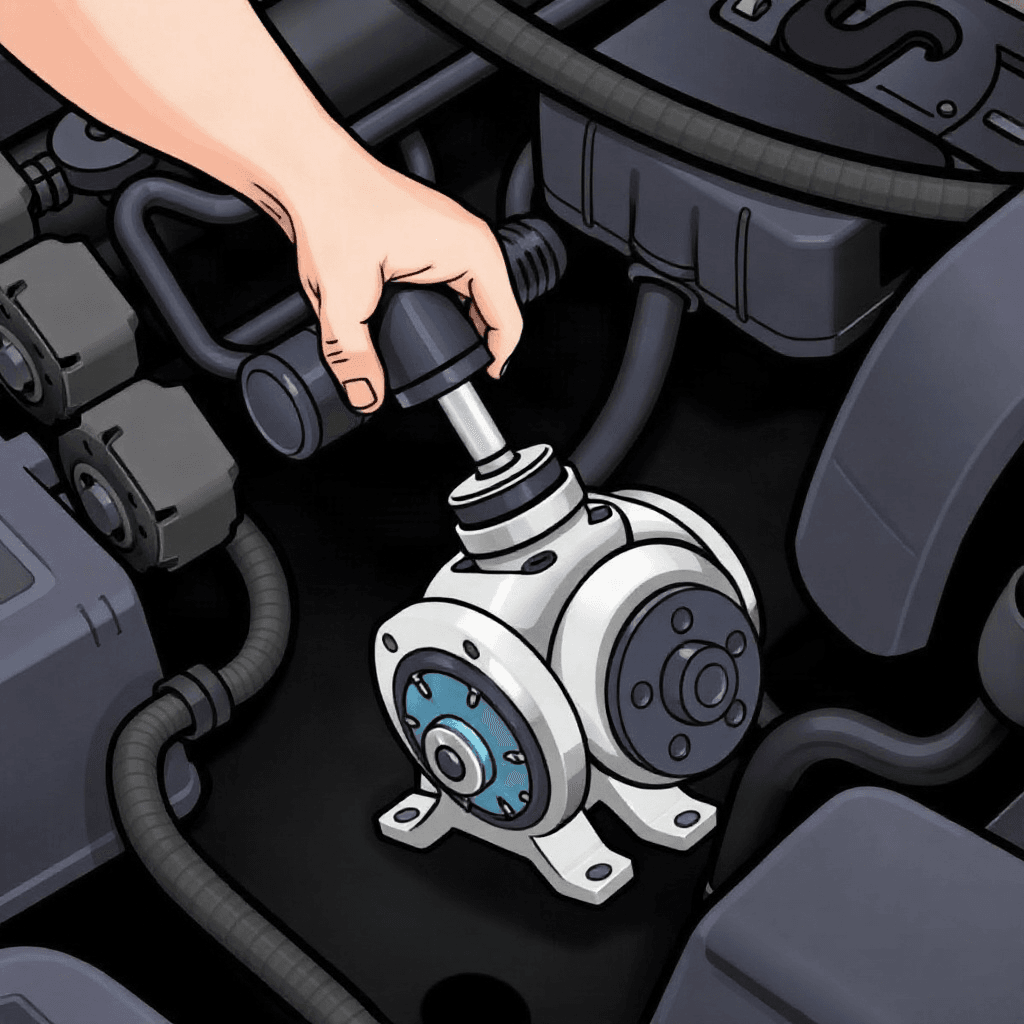
To begin the process of checking the injector pulse, you first need to locate the injector harness. The injector harness is typically located near the fuel injectors and consists of a connector with wires that run to each injector. Depending on the vehicle make and model, the injector harness may be easily accessible or require some disassembly to reach.
Using the Noid Light
Once you have located the injector harness, it’s time to use the Noid light to check the injector pulse. The Noid light is a small, inexpensive tool that plugs into the injector harness connector. When the engine is cranked or running, the Noid light will flash if the injector is receiving the pulse signal. This visual indication can help you quickly identify if the injector is functioning properly or not.
Interpreting the Noid Light Signal
When using the Noid light to check injector pulse, it’s important to pay attention to the pattern of the flashes. A consistent, rhythmic flash indicates that the injector is receiving the pulse signal and is likely functioning correctly. On the other hand, a sporadic or no flash at all indicates a problem with the injector or the signal reaching it. This information can guide you in determining the next steps for diagnosing and fixing the issue.
Troubleshooting Injector Pulse Issues
If the Noid light indicates that there is a problem with the injector pulse, there are several steps you can take to troubleshoot the issue. Checking the wiring, connectors, and ECU for faults, as well as testing the injector resistance, can help pinpoint the source of the problem. By methodically troubleshooting the injector pulse system, you can identify and resolve the issue without unnecessary injector replacement.