A 4WD Fuse Keeps Blowing: How to Trace the Circuit Safely
Have you ever experienced the frustration of a 4WD fuse constantly blowing? It’s a common issue that many vehicle owners face, but tracing the circuit to find the root cause can be a daunting task. In this article, we’ll explore how to safely trace the circuit and identify the problem.
The Anatomy of a 4WD Fuse
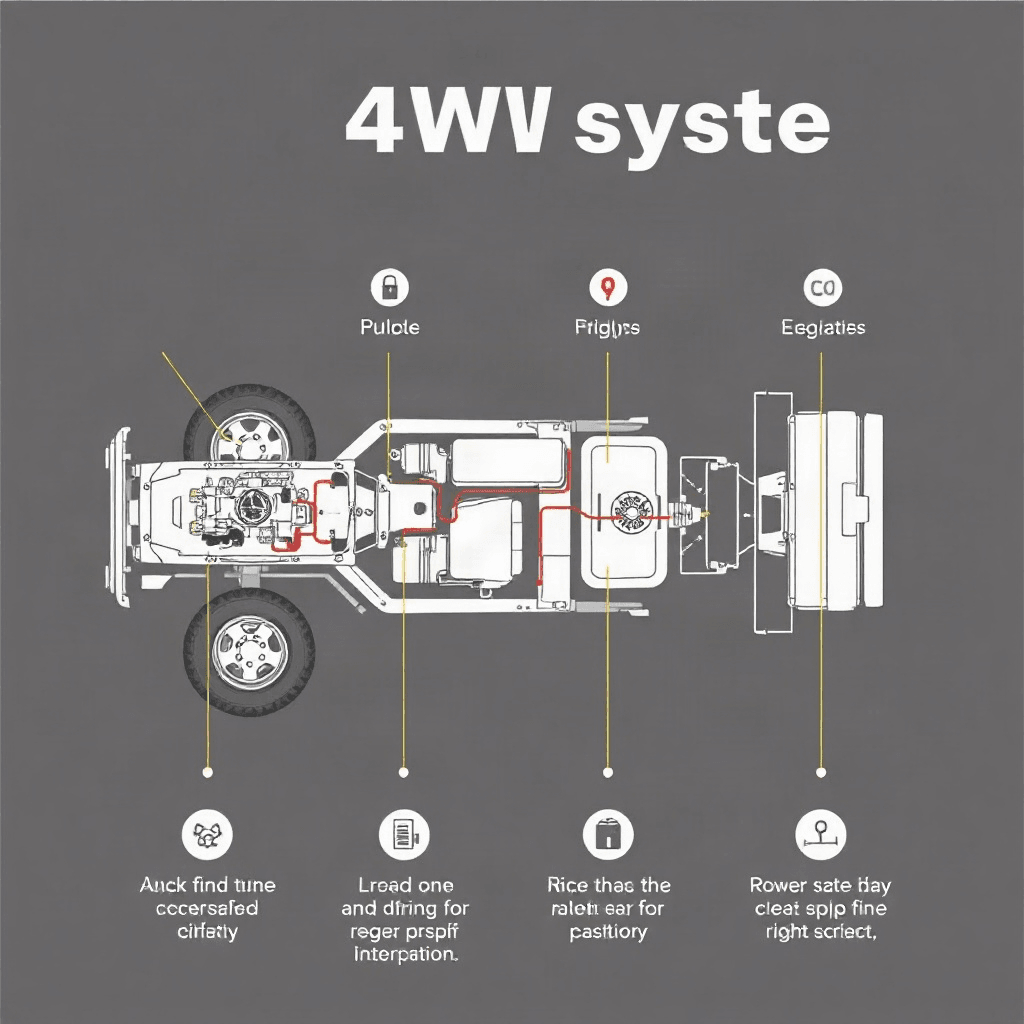
Understanding the components of a 4WD system is crucial to diagnosing fuse issues. The 4WD fuse is designed to protect the circuit from overloading and causing damage. It’s typically located in the fuse box under the hood of your vehicle.
Common Causes of a Blown 4WD Fuse
There are several reasons why a 4WD fuse may keep blowing. One common cause is a short circuit, which occurs when a wire in the circuit comes into contact with a metal surface, causing a surge of electricity. Another cause could be a faulty component in the 4WD system, such as a malfunctioning actuator or switch.
Tracing the Circuit Safely
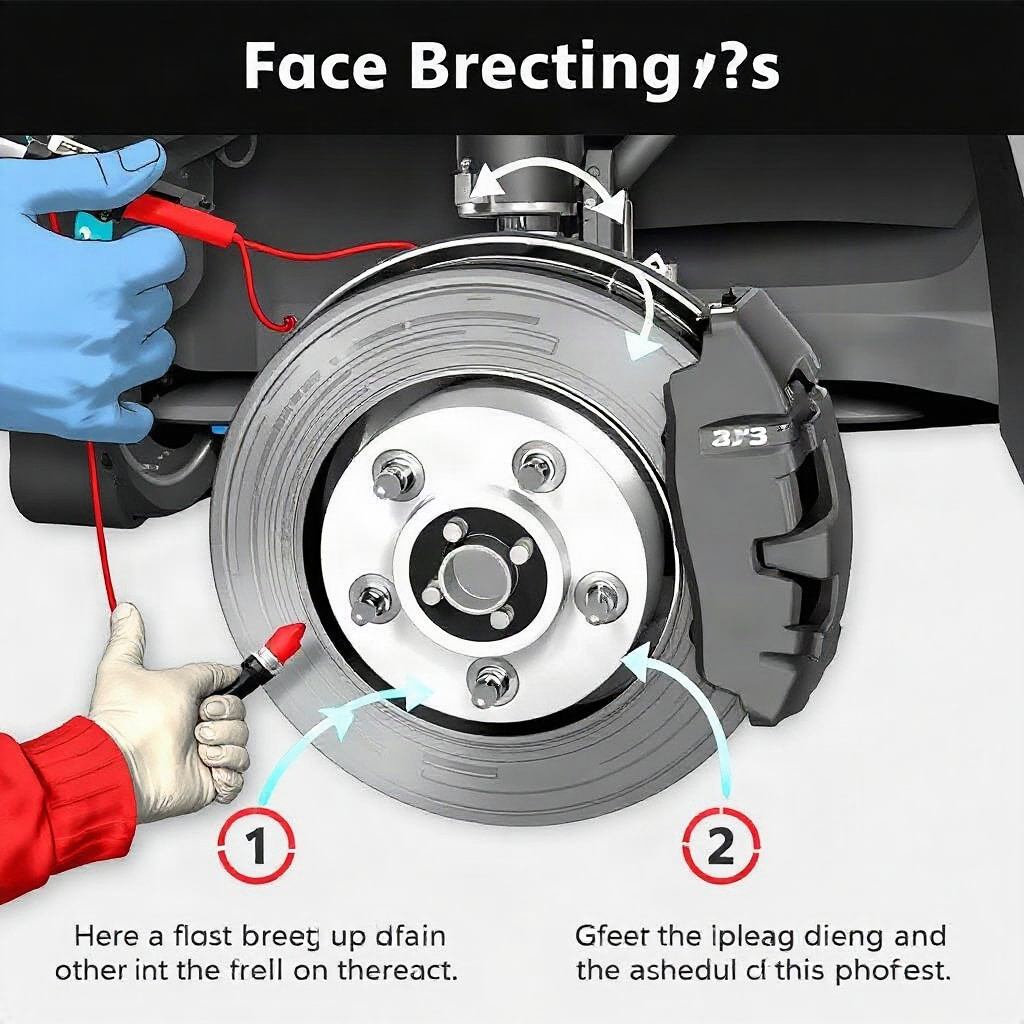
When dealing with a blown 4WD fuse, it’s essential to trace the circuit safely to avoid further damage. Start by disconnecting the battery to prevent any electrical hazards. Then, use a multimeter to test the continuity of the circuit and identify any faulty components.
Testing the Components
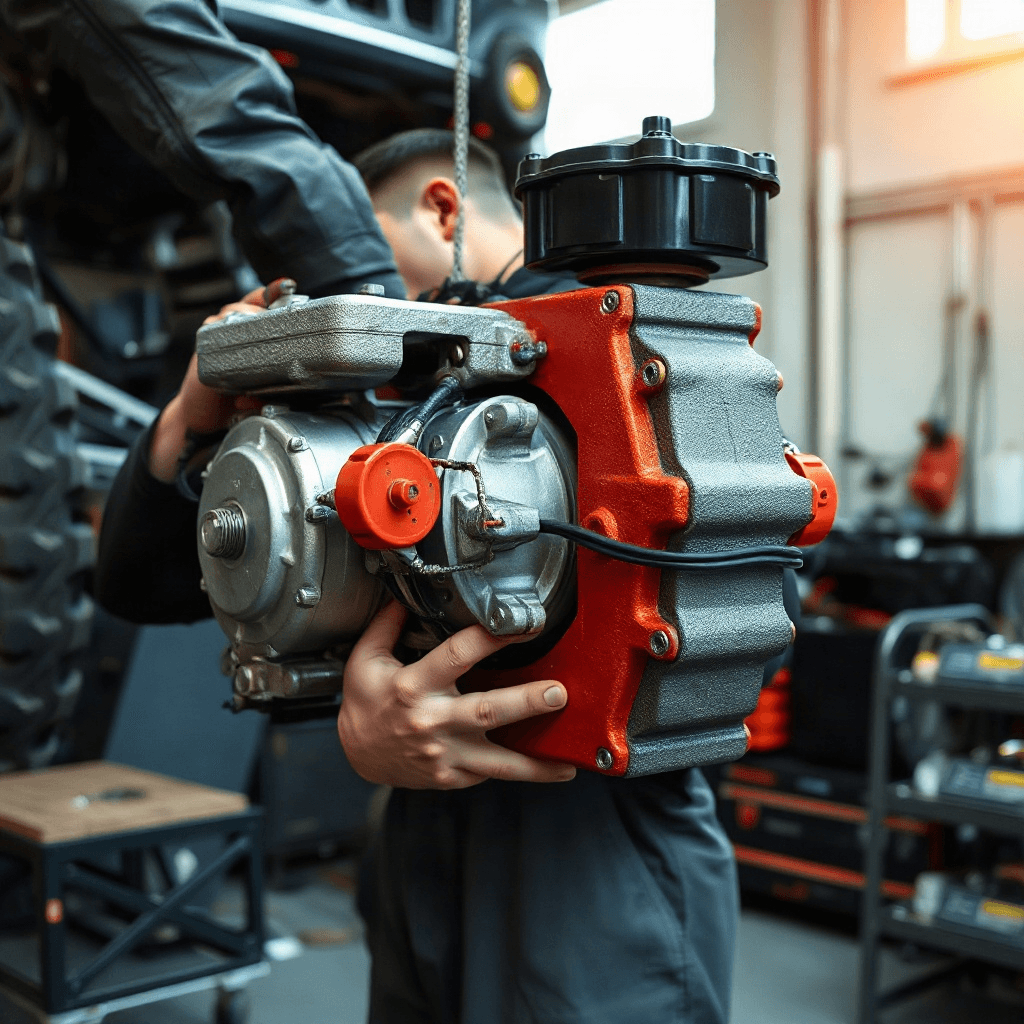
Once you’ve identified the problematic area, it’s time to test the components of the 4WD system. Check the wiring for any signs of damage or wear, and inspect the actuator and switch for proper operation. If any component is found to be faulty, replace it with a new one to prevent future fuse blowouts.
Seeking Professional Help
If you’re unable to trace the circuit or diagnose the issue on your own, don’t hesitate to seek professional help. A certified mechanic or auto electrician will have the expertise and tools needed to identify the problem accurately and make the necessary repairs.
Preventing Future Fuse Blows
To prevent future 4WD fuse blowouts, make sure to regularly inspect the circuit for any signs of wear or damage. Keep an eye on the components of the 4WD system and address any issues promptly to avoid costly repairs down the line.