How to Bleed ABS Brakes: Step by Step Guide
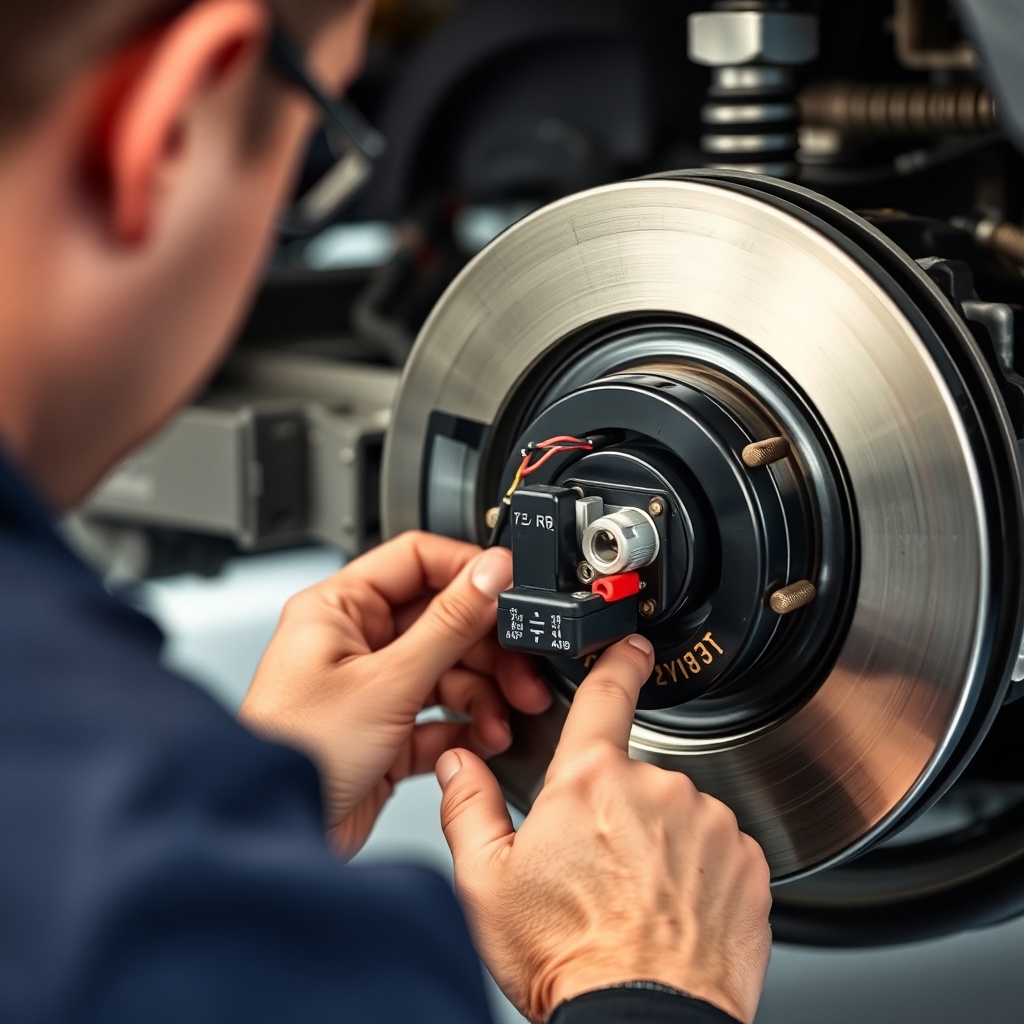
When it comes to maintaining your vehicle, one of the most important tasks is ensuring that your brakes are in top condition. The ABS (Anti-lock Braking System) is a crucial component of a modern vehicle’s braking system, and knowing how to bleed ABS brakes is essential for proper maintenance. In this step by step guide, we will walk you through the process of bleeding your ABS brakes to keep your vehicle safe on the road.
Understanding ABS Brakes
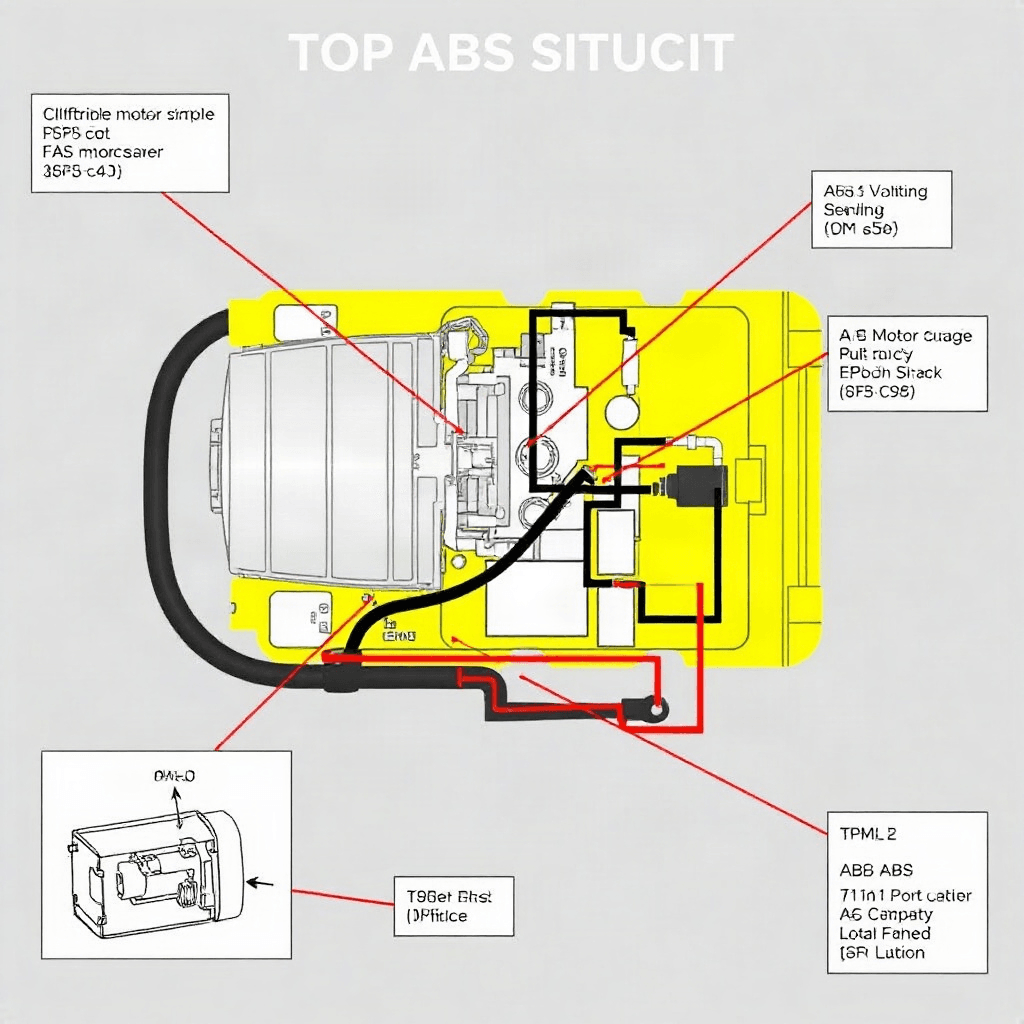
To begin with, it’s important to have a clear understanding of how ABS brakes work. The ABS system prevents the wheels from locking up during hard braking, allowing the driver to maintain control of the vehicle. This system relies on hydraulic pressure, which is why bleeding the brakes is necessary to remove any air bubbles that may have formed in the system.
Gather the Necessary Tools
Before you start the bleeding process, make sure you have all the necessary tools on hand. This includes a jack, jack stands, a wrench, a clear tube, a container to catch the brake fluid, and of course, the correct type of brake fluid recommended by your vehicle’s manufacturer.
Locate the Bleeder Valves
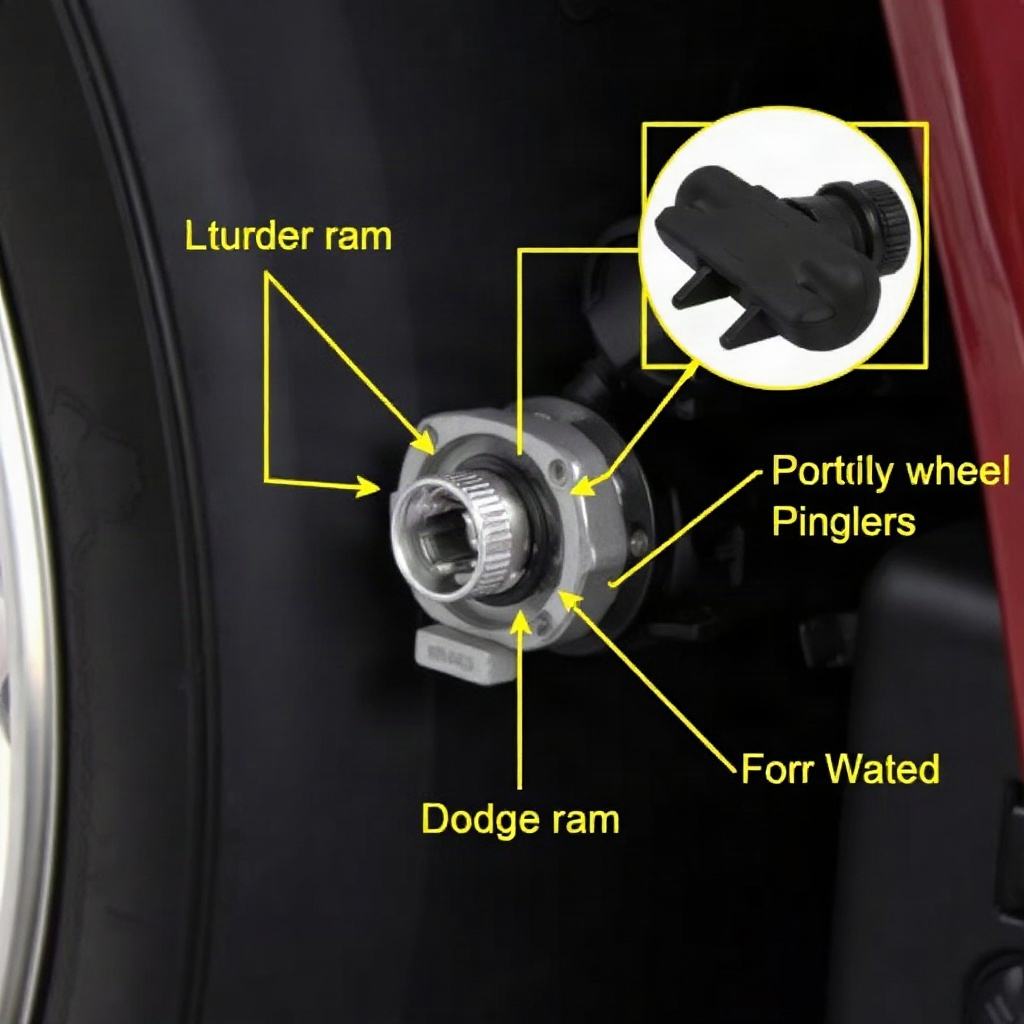
Next, you’ll need to locate the bleeder valves on your vehicle. These are typically located on the brake calipers or wheel cylinders. It’s important to consult your vehicle’s manual to ensure you are working on the correct valves for your specific make and model.
Prepare the Vehicle
Before you start bleeding the brakes, it’s important to prepare the vehicle. Park on a level surface, engage the parking brake, and chock the wheels to prevent the vehicle from rolling. You may also need to remove the wheels to access the brake calipers or wheel cylinders.
Bleeding the Brakes
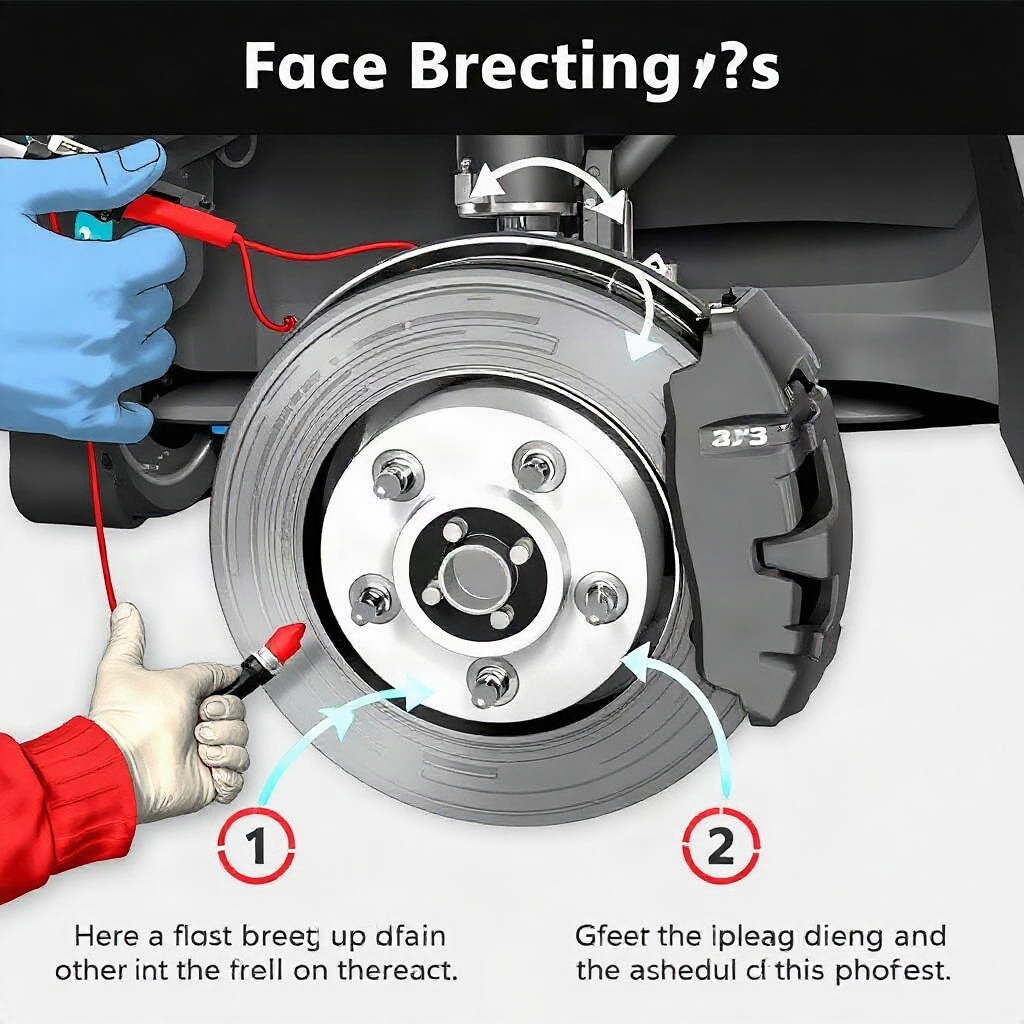
Now it’s time to start the bleeding process. Begin with the brake farthest from the master cylinder and work your way towards the closest brake. Have a helper pump the brake pedal while you open and close the bleeder valve to expel the air from the system. Repeat this process until you see clean, bubble-free brake fluid coming out.
Test the Brakes
Once you have bled all the brakes, it’s important to test the brakes to ensure they are working properly. Pump the brake pedal a few times to build up pressure in the system, then take the vehicle for a test drive in a safe, open area to ensure that the brakes are functioning as they should.
In conclusion, knowing how to bleed ABS brakes is a critical skill for any vehicle owner. By following this step by step guide and taking the time to properly bleed your brakes, you can ensure that your vehicle’s braking system remains in top condition, keeping you safe on the road.