Seat Occupancy Sensor Fault: Causes & Fix
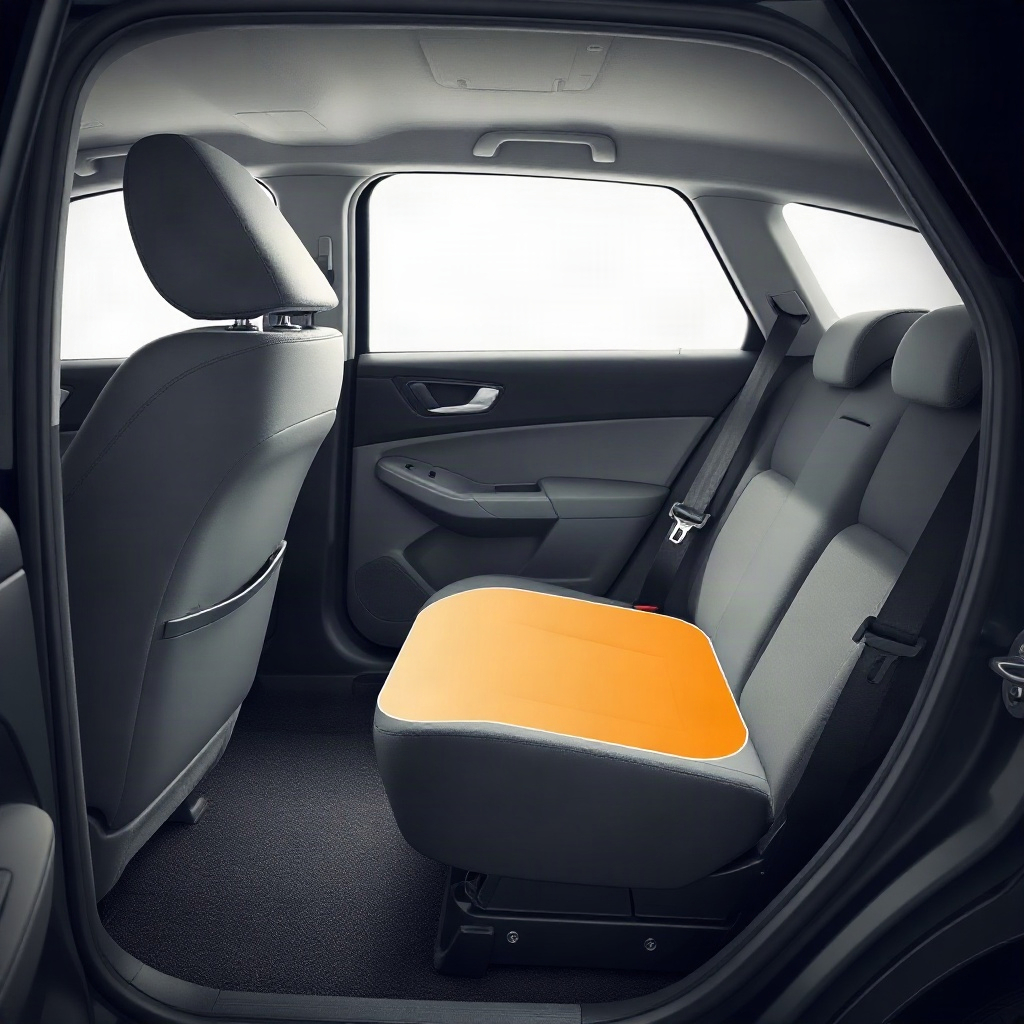
Seat occupancy sensors are an essential component of modern vehicles, ensuring the safety of both the driver and passengers. However, when these sensors malfunction, it can lead to serious issues. In this comprehensive guide, we will explore the causes of seat occupancy sensor faults and provide solutions to fix them.
Common Causes of Seat Occupancy Sensor Faults
Seat occupancy sensor faults can be caused by a variety of factors, including wear and tear, electrical issues, and software malfunctions. It is important to understand these common causes in order to effectively diagnose and fix the problem.
Signs of a Faulty Seat Occupancy Sensor
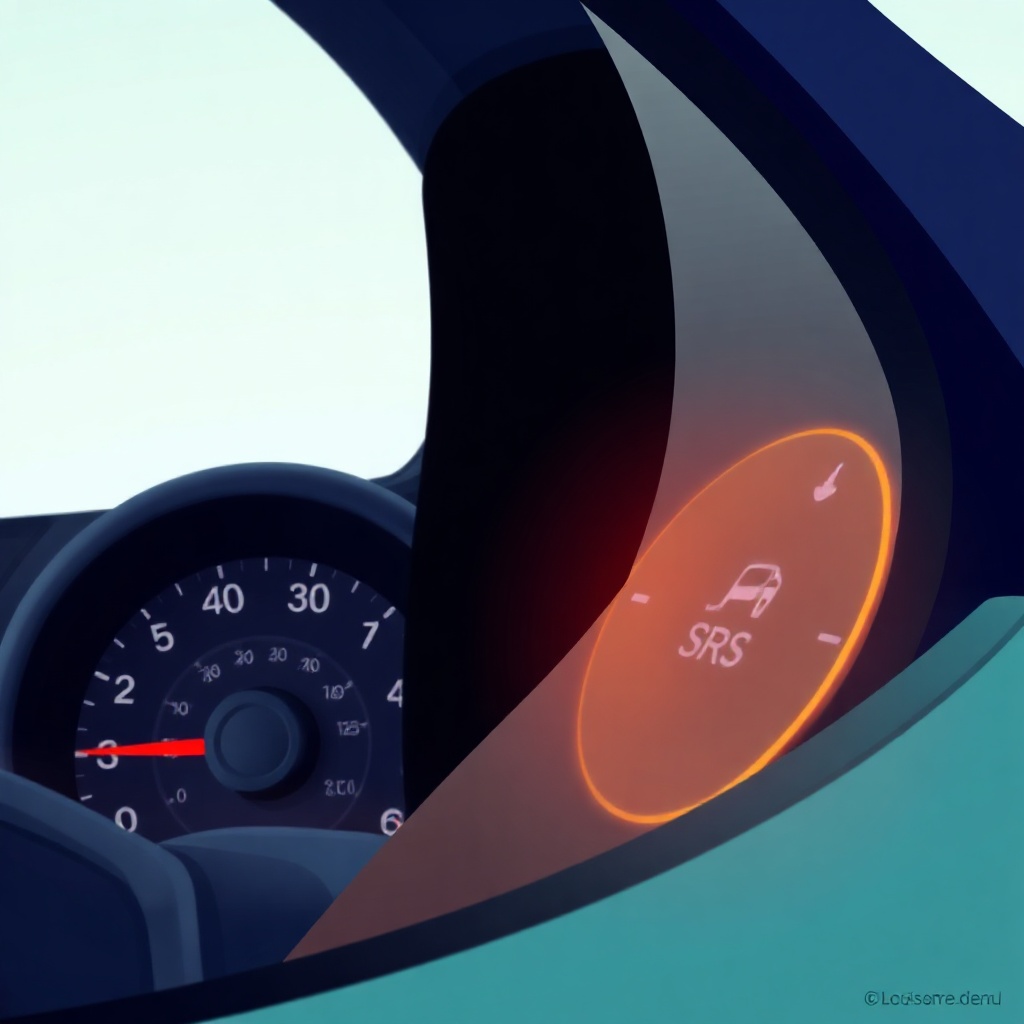
Detecting a faulty seat occupancy sensor early on is crucial to prevent potential safety hazards. Some common signs of a faulty sensor include airbag warning lights, malfunctioning airbag deployment, and inaccurate seat belt warnings.
Diagnosing Seat Occupancy Sensor Faults
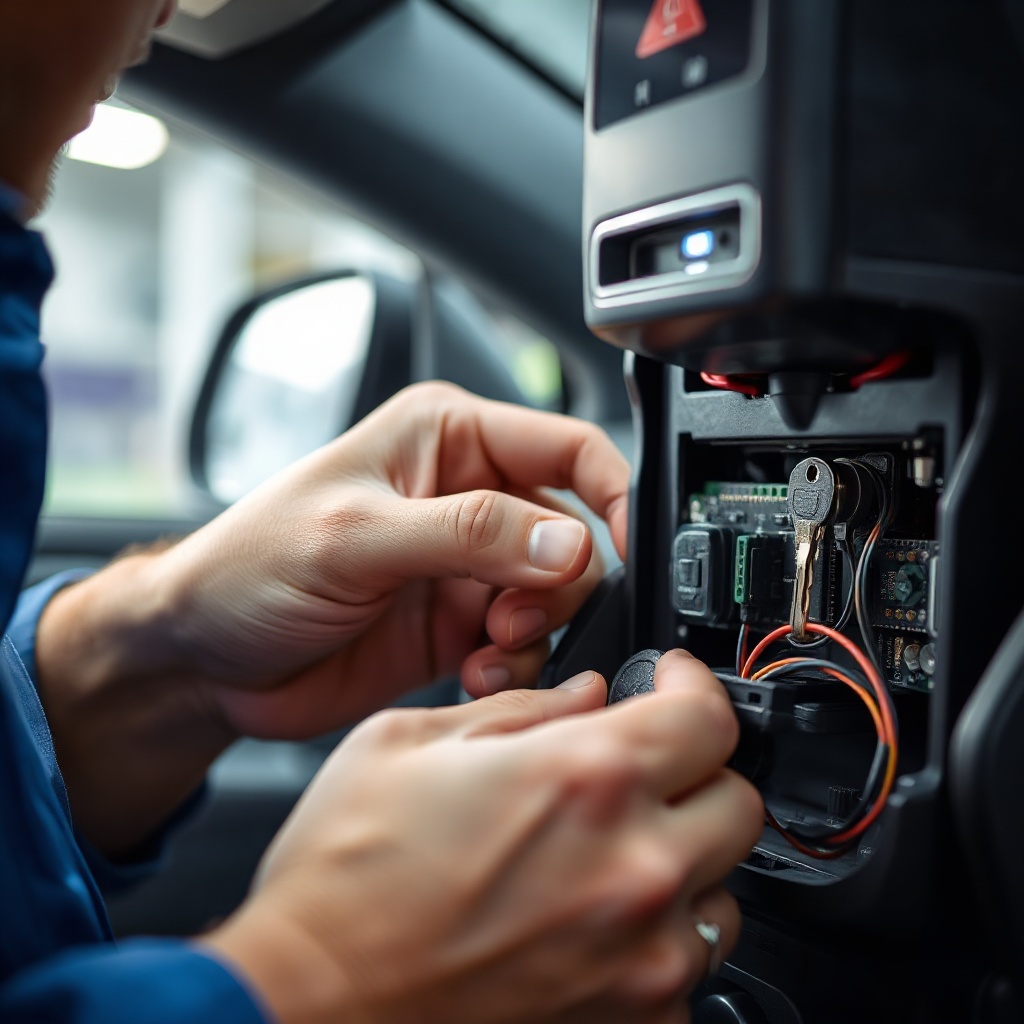
Diagnosing seat occupancy sensor faults requires specialized tools and expertise. By conducting a thorough diagnostic test, mechanics can pinpoint the exact source of the issue and implement the necessary repairs.
Fixing Seat Occupancy Sensor Faults
Depending on the nature of the fault, fixing seat occupancy sensor issues may involve recalibration, sensor replacement, or software updates. It is important to follow manufacturer guidelines and seek professional assistance to ensure proper repairs.
Preventing Seat Occupancy Sensor Faults
Regular maintenance and inspections can help prevent seat occupancy sensor faults from occurring. By keeping sensors clean, checking for loose connections, and updating software regularly, drivers can reduce the risk of sensor malfunctions.
Conclusion
In conclusion, seat occupancy sensor faults can pose serious safety risks if not addressed promptly. By understanding the causes of these faults, detecting early signs of sensor malfunctions, and taking proactive measures to prevent issues, drivers can ensure the safety and reliability of their vehicles.