How to Test a Body Control Module With a Multimeter
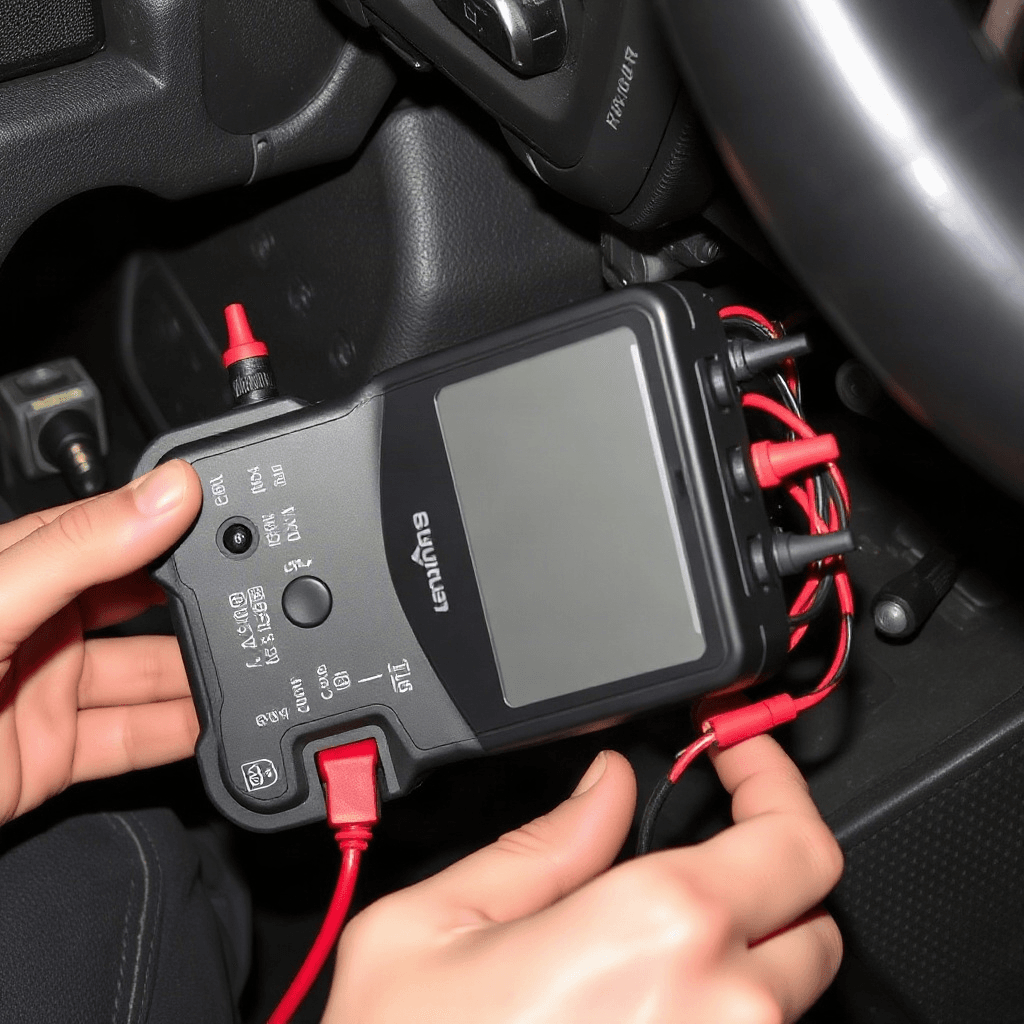
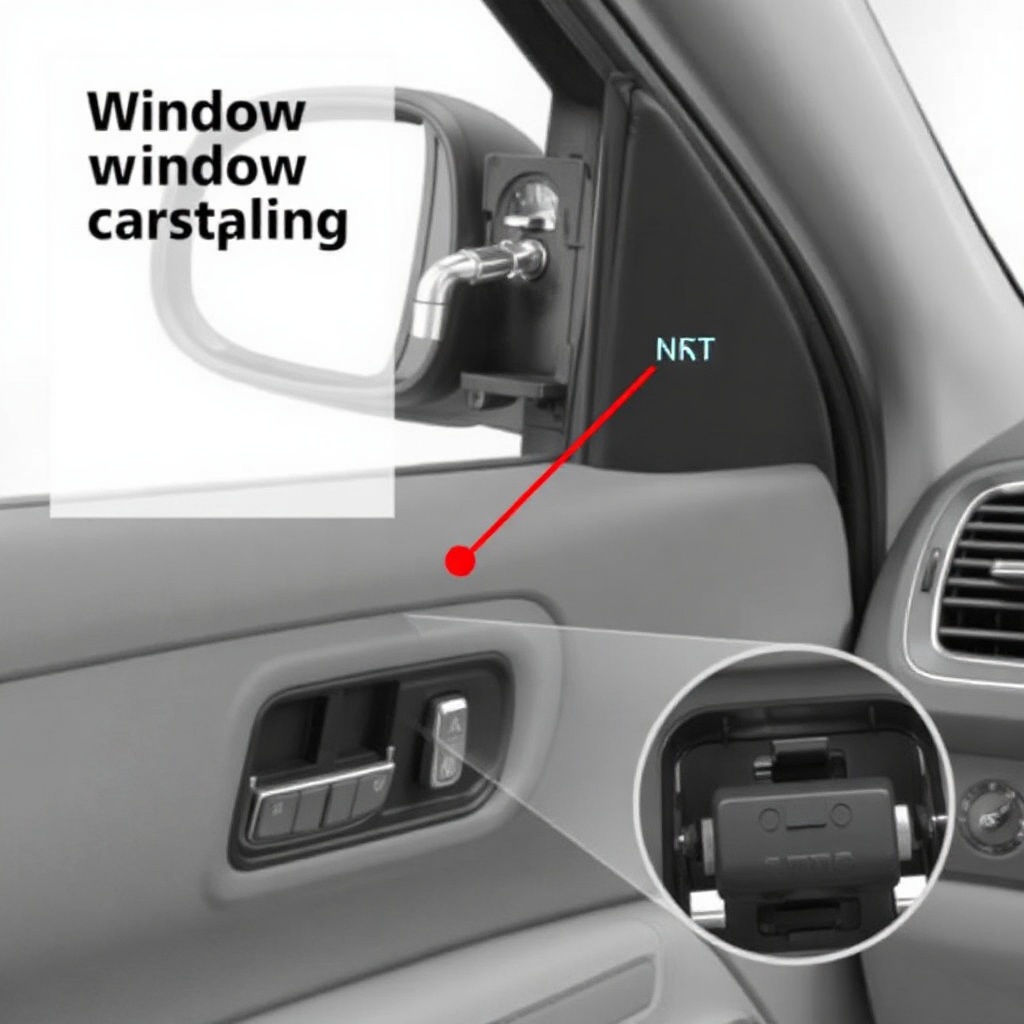
Body control modules (BCMs) are essential components in modern vehicles, responsible for managing various electronic systems such as lighting, door locks, and windows. When a BCM malfunctions, it can lead to issues ranging from minor inconveniences to serious safety hazards. In this article, we will discuss how to effectively test a body control module using a multimeter.
Understanding Body Control Modules
Before diving into the testing process, it is crucial to have a basic understanding of what a body control module does. Essentially, a BCM acts as the brain of a vehicle’s electronic systems, receiving input from various sensors and switches, and sending signals to control the functions they manage.
Preparing for Testing
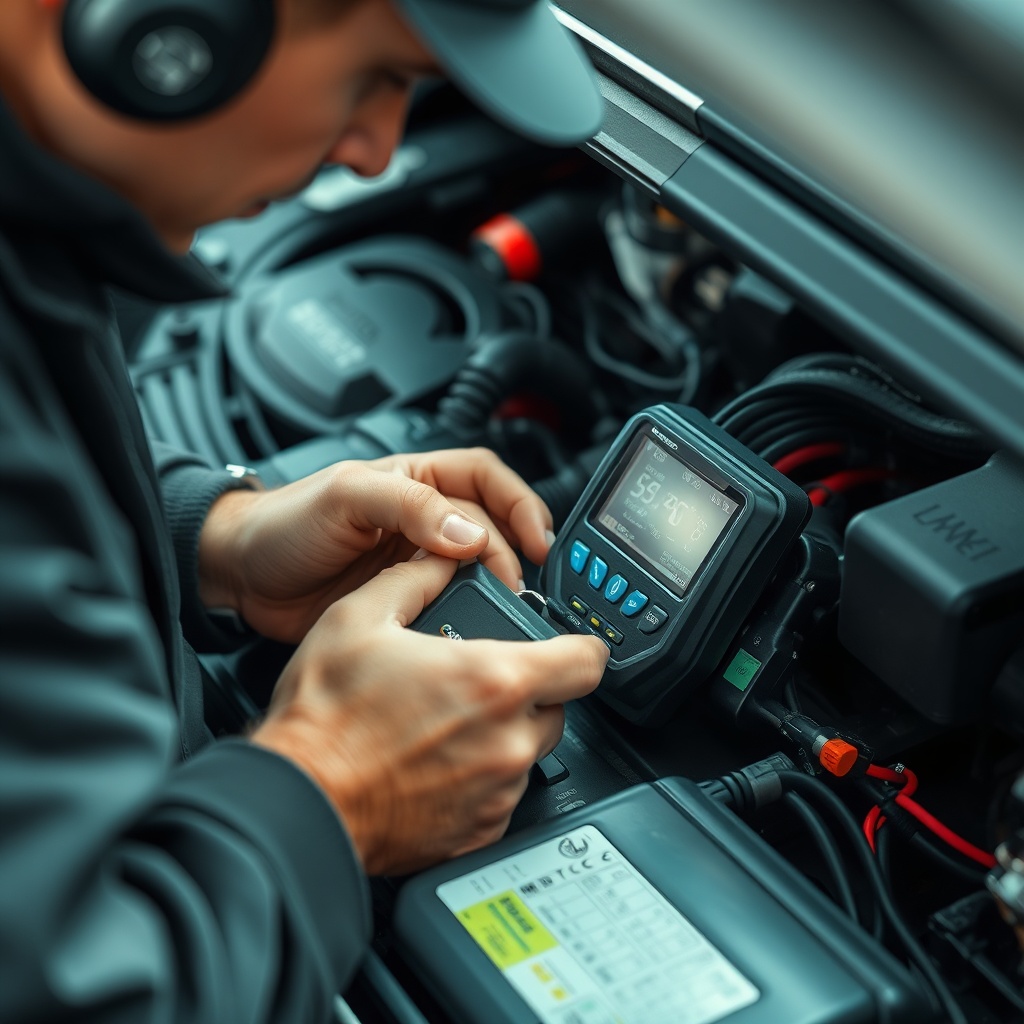
To begin the testing process, you will need a multimeter, which is a versatile tool used to measure voltage, current, and resistance in electrical circuits. Before testing the BCM, make sure to consult the vehicle’s service manual to locate the module and understand its wiring diagram.
Testing Voltage Output
One of the primary tests you can perform on a body control module is checking its voltage output. Start by setting your multimeter to the voltage measurement setting and connecting the probes to the appropriate terminals on the BCM. By comparing the measured voltage to the specifications outlined in the service manual, you can determine if the module is functioning correctly.
Checking for Short Circuits
Short circuits can cause significant damage to a body control module and other electrical components in a vehicle. To check for short circuits, set your multimeter to the resistance measurement setting and probe the BCM’s terminals. A reading of zero resistance indicates a short circuit, which will require further diagnosis and repair.
Testing for Continuity
Continuity testing is another essential step in assessing the health of a body control module. By setting your multimeter to the continuity setting and probing various points on the BCM, you can verify if there is a continuous path for electrical current flow. Any breaks in continuity may indicate a faulty component within the module.
Interpreting Test Results
After completing the testing process, carefully analyze the results to determine the overall condition of the body control module. If any tests indicate abnormal readings or inconsistencies, it is recommended to consult a professional technician for further diagnosis and potential replacement of the BCM.
In conclusion, testing a body control module with a multimeter is a critical maintenance procedure that can help ensure the proper functioning of a vehicle’s electronic systems. By following the steps outlined in this article and utilizing the right tools, you can effectively diagnose potential issues and prevent costly repairs down the line.