Intermittent No-Start: How to Document the Failure Before Testing
Intermittent no-start issues can be frustrating for both car owners and mechanics. When a vehicle fails to start sporadically, it can be challenging to diagnose the root cause of the problem. In this article, we will discuss the importance of documenting the failure before testing and how it can help in identifying the issue more efficiently.
Importance of Documenting the Failure
Documenting the failure when a vehicle experiences intermittent no-start issues is crucial for several reasons. First and foremost, it provides a detailed account of the symptoms and circumstances surrounding the problem. This information can be invaluable when trying to replicate the issue during testing. Additionally, documenting the failure can help in tracking patterns or trends that may indicate a specific cause.
Gathering Information
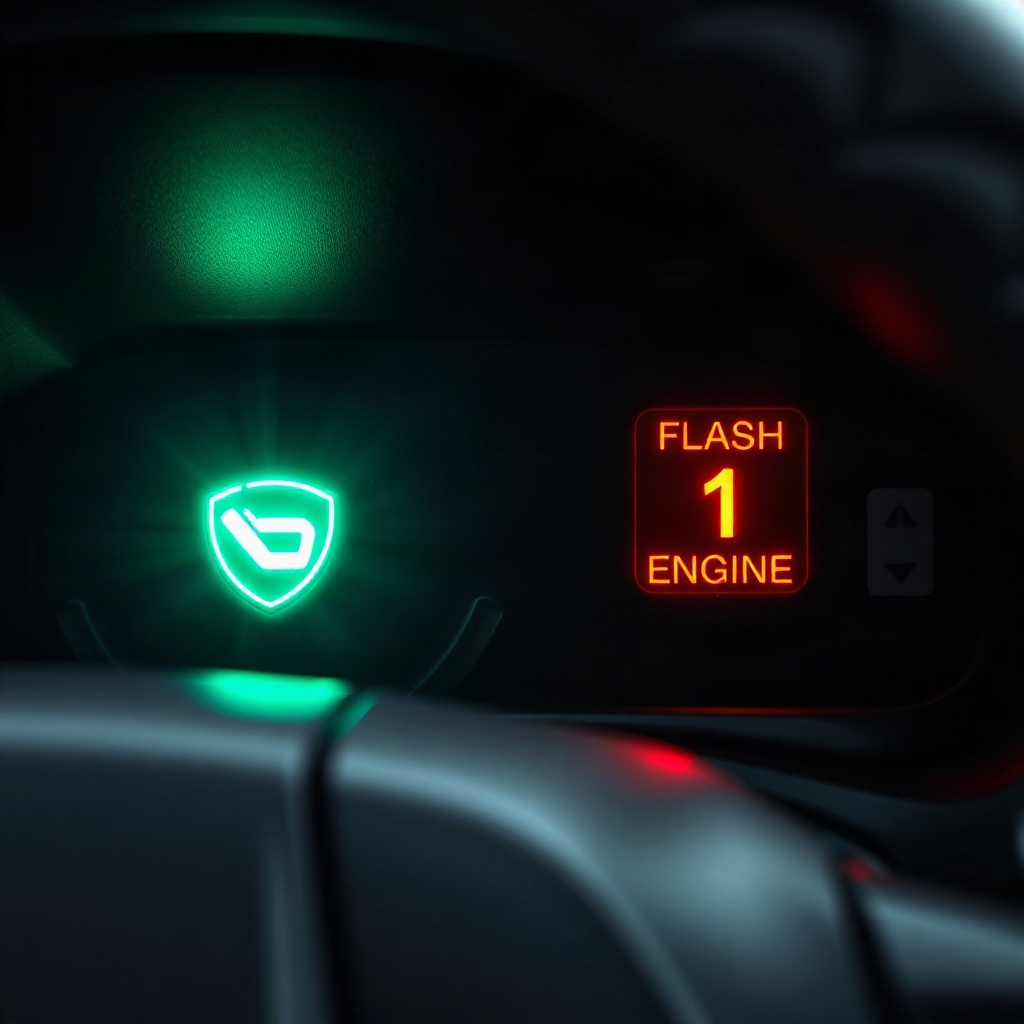
Before testing, it is essential to gather as much information as possible about the intermittent no-start issue. This includes recording when the problem occurs, under what conditions, and any accompanying symptoms. It is also helpful to note any recent repairs or maintenance that may be related to the issue. The more detailed the documentation, the easier it will be to pinpoint the root cause of the problem.
Conducting Visual Inspections
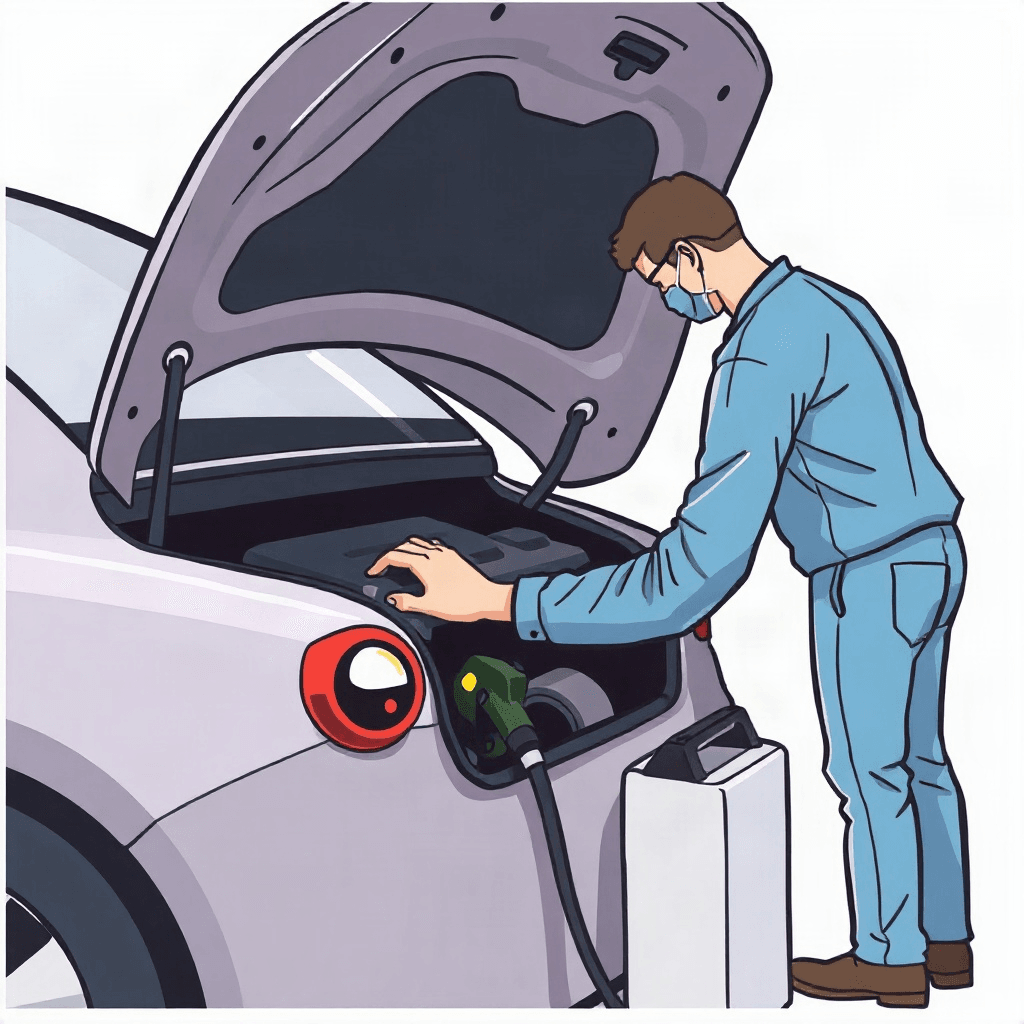
Visual inspections are a critical part of diagnosing intermittent no-start issues. Before conducting any tests, it is important to visually inspect the battery, starter, ignition system, and any related components. Look for signs of corrosion, loose connections, or other visible damage that may be contributing to the problem. Document any findings during the visual inspection for reference during testing.
Using Diagnostic Tools
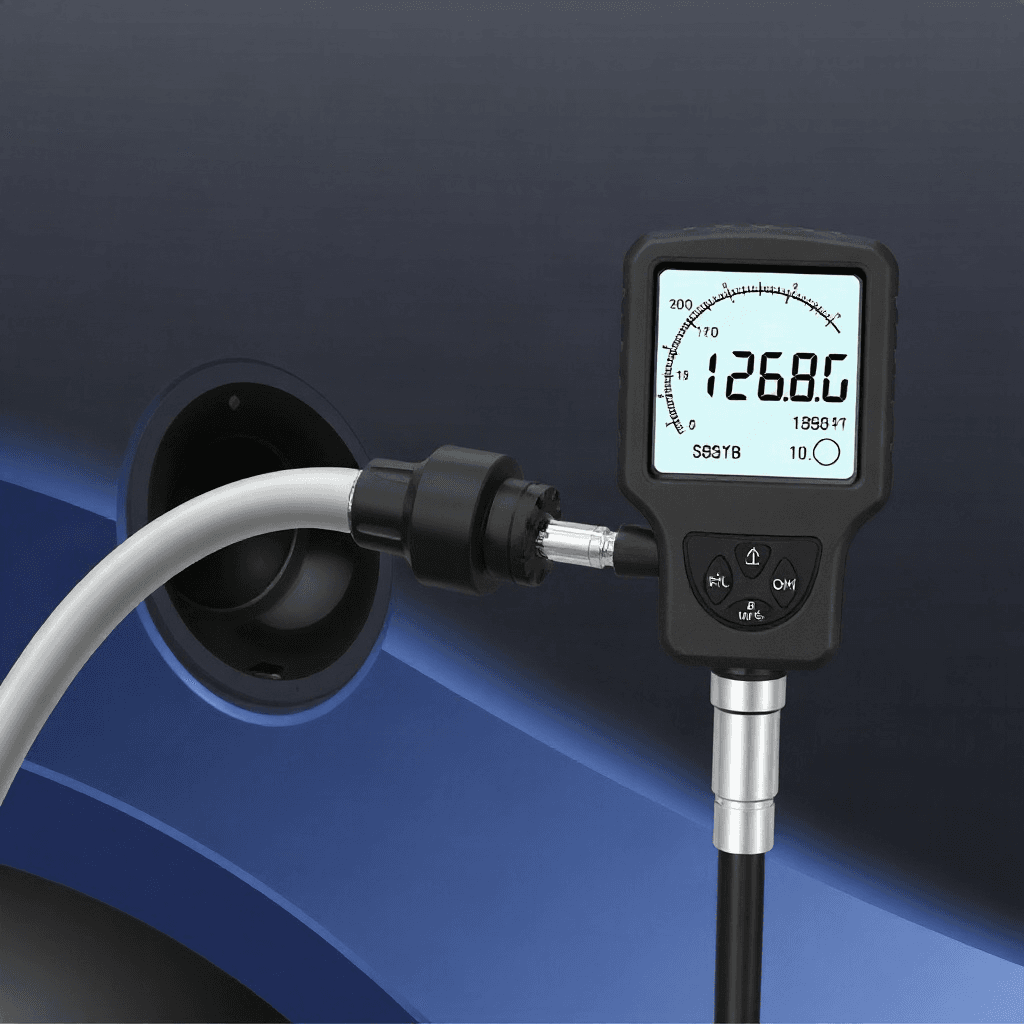
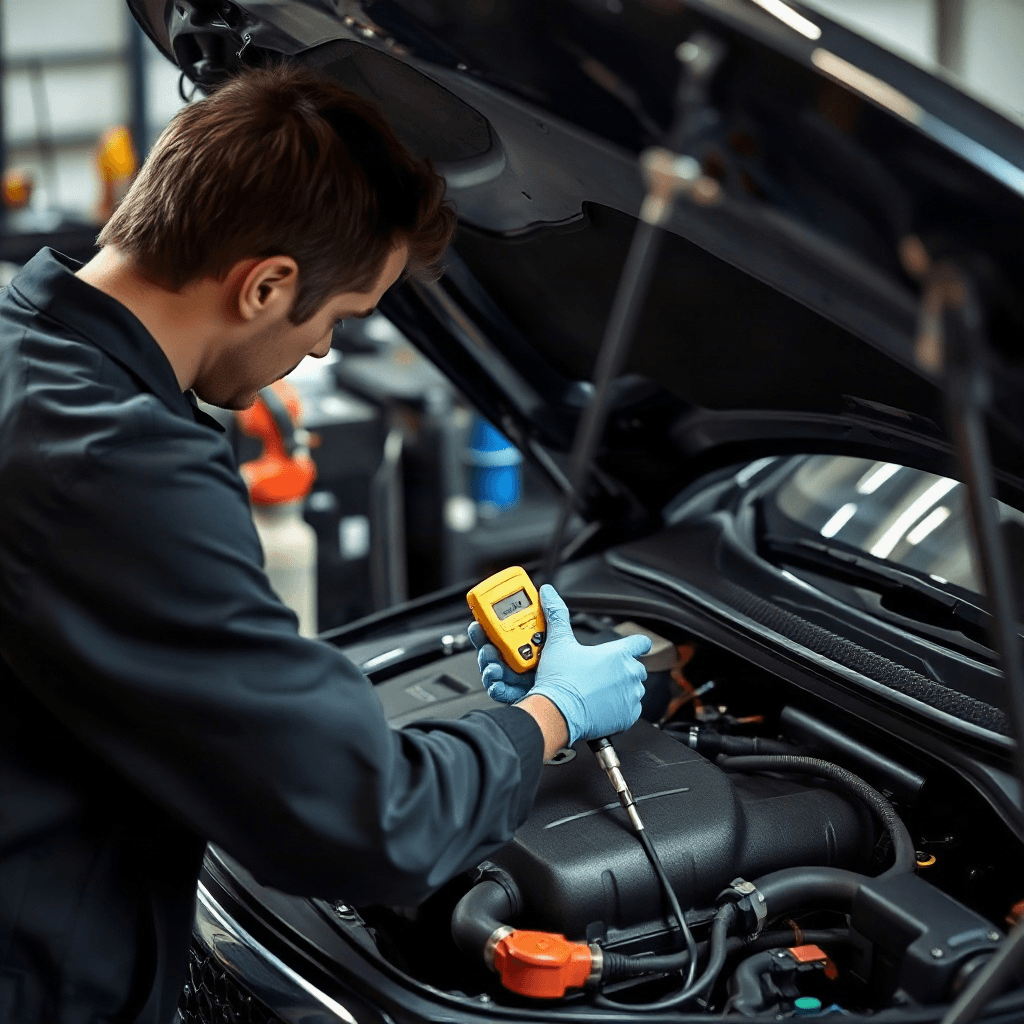
In addition to visual inspections, diagnostic tools can be instrumental in identifying the cause of intermittent no-start issues. Tools such as a multimeter, scan tool, or oscilloscope can help in testing various components of the vehicle’s electrical system. By using these tools in conjunction with the documented failure information, mechanics can narrow down the possible causes and expedite the diagnostic process.
Testing the Battery
One common culprit of intermittent no-start issues is a faulty battery. Testing the battery’s voltage, capacity, and overall health can help in determining if it is the source of the problem. If the battery is found to be defective, replacing it may resolve the intermittent no-start issue. Document the results of the battery test and any subsequent actions taken for future reference.
Conclusion
In conclusion, documenting the failure before testing is essential when dealing with intermittent no-start issues in vehicles. By gathering detailed information, conducting visual inspections, using diagnostic tools, and testing the battery, mechanics can efficiently diagnose and resolve the problem. Remember to document all findings and actions taken for future reference and troubleshooting.