Rapid Clicking When Starting: Battery Voltage and Connection Tests
Rapid clicking when starting your vehicle can be a frustrating issue, often signaling an underlying problem with the battery or electrical system. In this article, we will explore the importance of battery voltage and connection tests in diagnosing and resolving this common issue.
Importance of Battery Voltage
One of the primary reasons for rapid clicking when starting a vehicle is a low battery voltage. The battery provides the necessary electrical energy to start the engine, and when the voltage drops below a certain level, the starter motor may not have enough power to turn the engine over. Performing a voltage test on the battery can help determine if it is the root cause of the problem.
Conducting a Battery Voltage Test
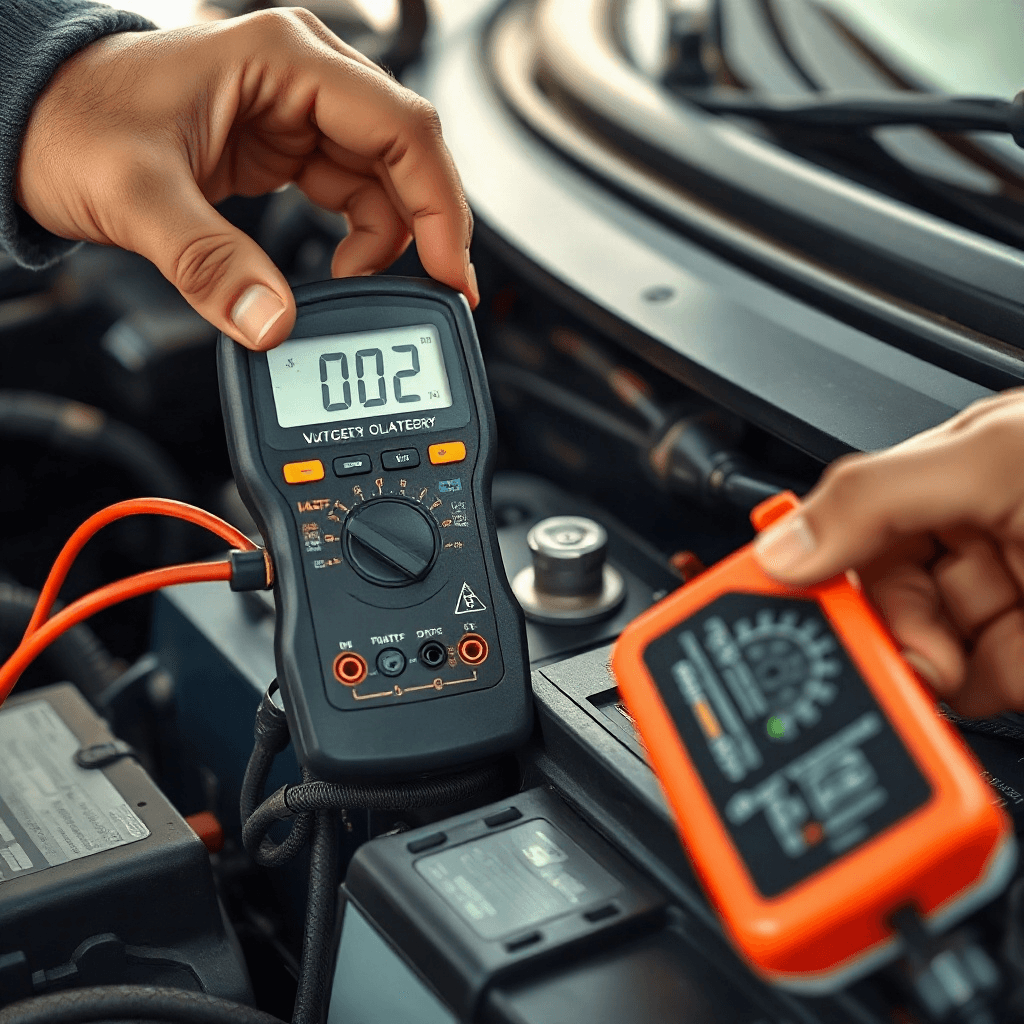
To conduct a battery voltage test, you will need a multimeter. Start by connecting the red (positive) lead to the positive terminal of the battery and the black (negative) lead to the negative terminal. Set the multimeter to the DC voltage setting and take a reading. A healthy battery should have a voltage reading of around 12.6 volts. Anything significantly lower may indicate a weak or failing battery.
Importance of Connection Tests
In addition to battery voltage, poor electrical connections can also lead to rapid clicking when starting. Corrosion, loose connections, or damaged cables can impede the flow of electrical current, preventing the starter motor from engaging properly. Performing connection tests can help identify and rectify any issues with the electrical connections.
Conducting Connection Tests
When conducting connection tests, visually inspect the battery terminals and cables for any signs of corrosion or damage. Clean the terminals using a wire brush and ensure that the connections are tight and secure. You can also use a multimeter to check for continuity along the cables and connections to ensure that electricity can flow freely.
Additional Considerations
In some cases, rapid clicking may be caused by a faulty starter motor or solenoid. If the battery voltage and connections are in good condition, but the issue persists, it may be necessary to inspect and potentially replace these components. Consulting a professional mechanic for further diagnostics and repairs may be necessary in such situations.
Conclusion
Rapid clicking when starting a vehicle can be a symptom of various underlying issues, with battery voltage and connection problems being common culprits. By performing battery voltage and connection tests, you can effectively diagnose and address the root cause of this issue, ensuring that your vehicle starts reliably every time.