How to Check Engine Compression Before Suspecting Internal Damage
Engine compression is a critical aspect of a vehicle’s performance, as it directly affects the engine’s power output and efficiency. Before suspecting any internal damage to your engine, it is crucial to check the engine compression levels. In this article, we will discuss how to properly check engine compression to ensure your vehicle’s optimal performance and longevity.
Understanding Engine Compression
Engine compression refers to the pressure created within the cylinders when the air-fuel mixture is compressed by the piston. This pressure is essential for the combustion process that drives the engine. Low compression levels can lead to a variety of issues, including decreased power output, poor fuel efficiency, and potential internal damage.
Symptoms of Low Engine Compression
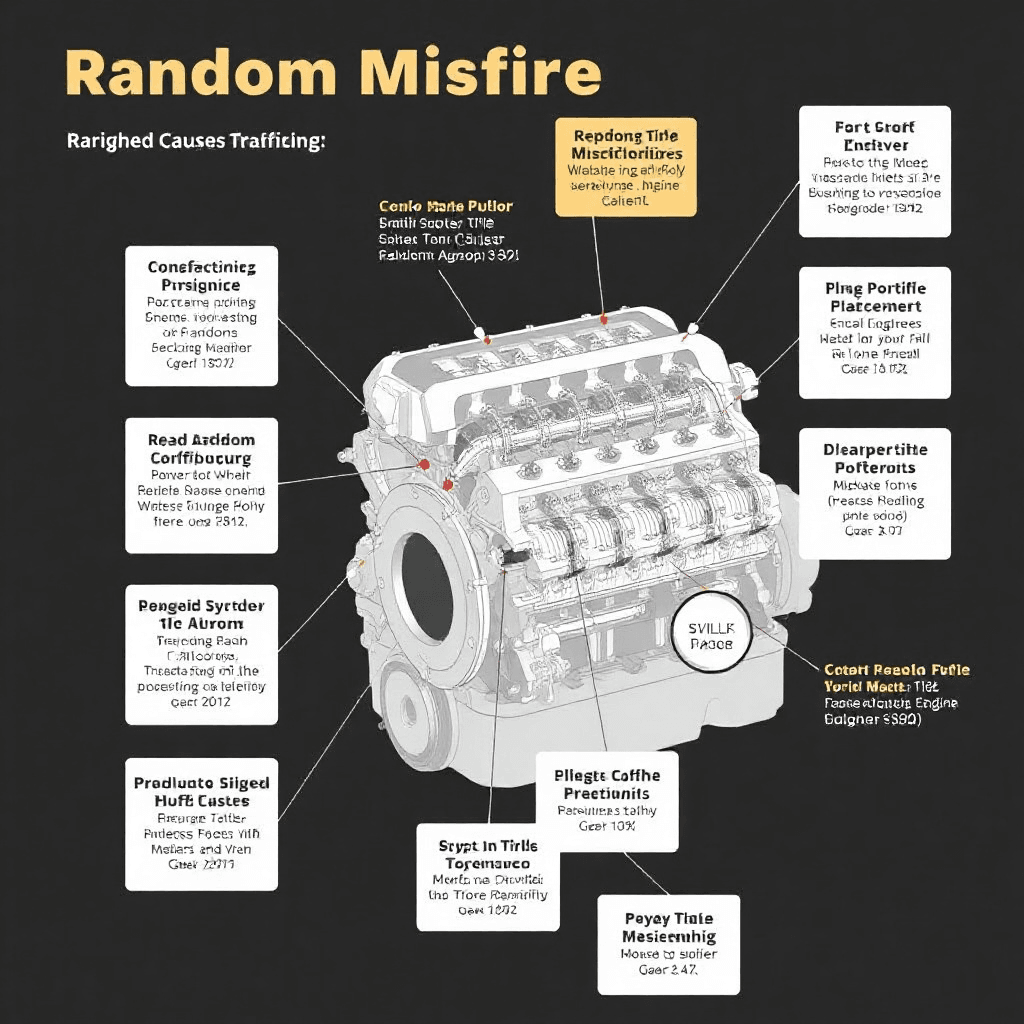
Before diving into the process of checking engine compression, it is important to understand the symptoms of low compression. These may include difficulty starting the engine, rough idling, misfires, decreased acceleration, and increased fuel consumption. If you experience any of these issues, it is advisable to perform a compression test.
Tools Needed for Compression Testing
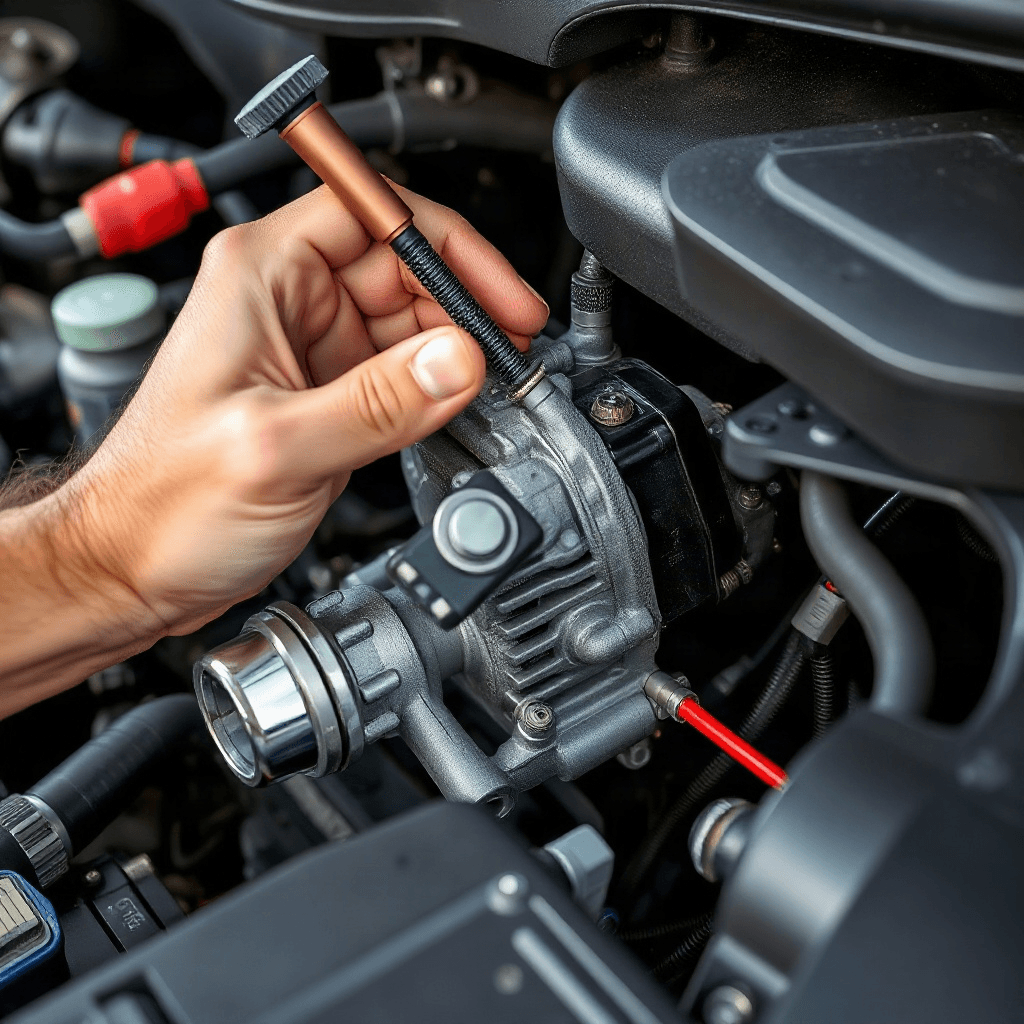
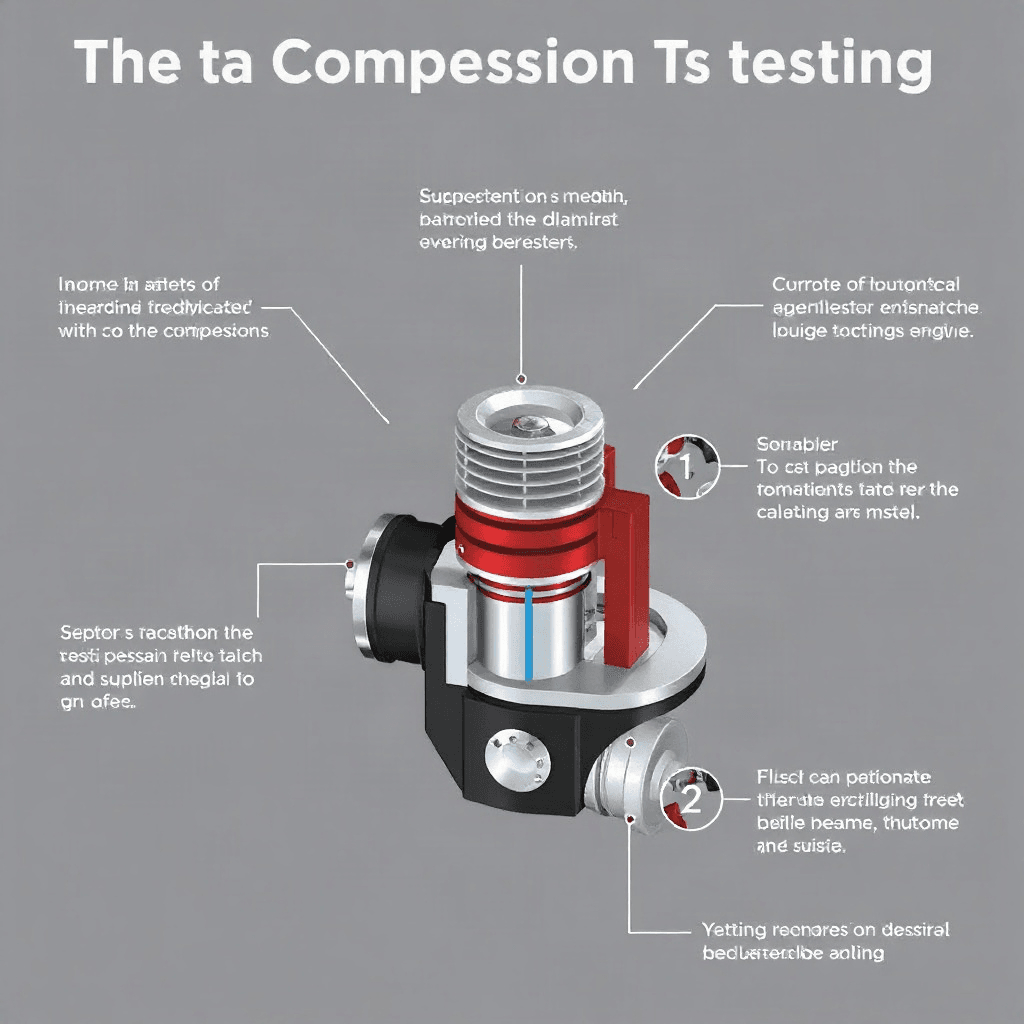
To check engine compression, you will need a compression tester, which can be purchased at most auto parts stores. Additionally, you will need a ratchet and socket set to remove the spark plugs, as well as a pen and paper to record the compression readings. It is also recommended to have a helper to assist you during the testing process.
Step-by-Step Compression Testing Process
1. Start by ensuring the engine is at operating temperature and turned off.
2. Remove all the spark plugs from the engine using the ratchet and socket set.
3. Insert the compression tester into the first cylinder and crank the engine a few times.
4. Record the compression reading and repeat the process for each cylinder.
5. Compare the compression readings to the manufacturer’s specifications for your vehicle.
6. If any cylinder has significantly lower compression than the others, it may indicate internal damage.
Interpreting Compression Test Results
Ideally, all cylinders should have similar compression readings within a certain range. If you notice a significant difference in compression levels between cylinders, it could indicate issues such as worn piston rings, damaged valves, or a blown head gasket. In such cases, further diagnostics may be necessary to determine the root cause of the problem.
By following these steps to check engine compression, you can identify potential issues early on and take the necessary steps to address them before they escalate into more significant problems. Regular compression testing can help ensure your engine is operating efficiently and prolong its lifespan.