How to Fix P0300 Random Misfire Without Replacing Everything
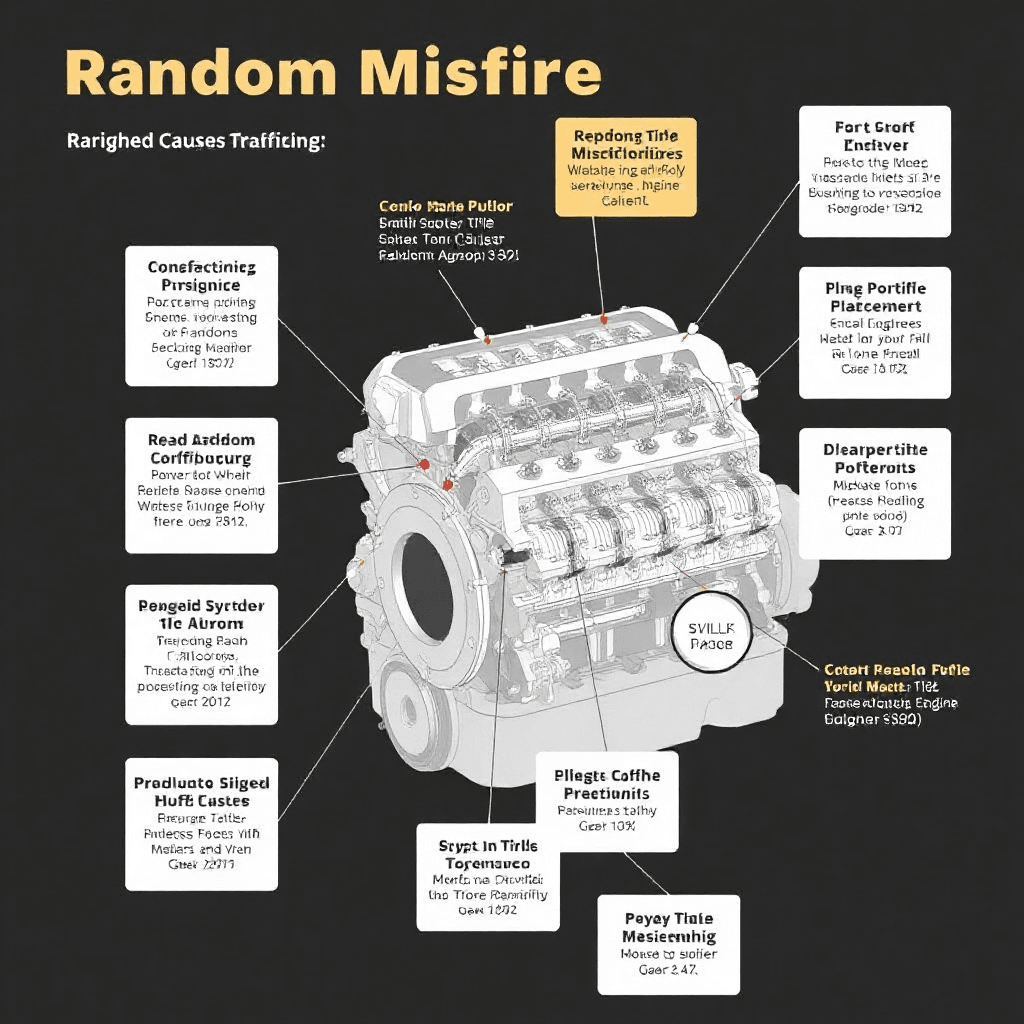
Random misfires can be a frustrating issue for any car owner. The dreaded P0300 code appears on the dashboard, indicating a random misfire in one or more cylinders. While the temptation may be to start replacing parts left and right, there are actually several steps you can take to fix the issue without breaking the bank. In this article, we will explore how to address a P0300 random misfire without replacing everything.
Understanding the P0300 Code
Before diving into potential solutions, it’s important to understand what the P0300 code signifies. This code indicates that the engine’s computer has detected a misfire that is occurring randomly across multiple cylinders. This can be caused by a variety of issues, including fuel system problems, ignition system faults, vacuum leaks, or even mechanical issues within the engine.
Check for Vacuum Leaks
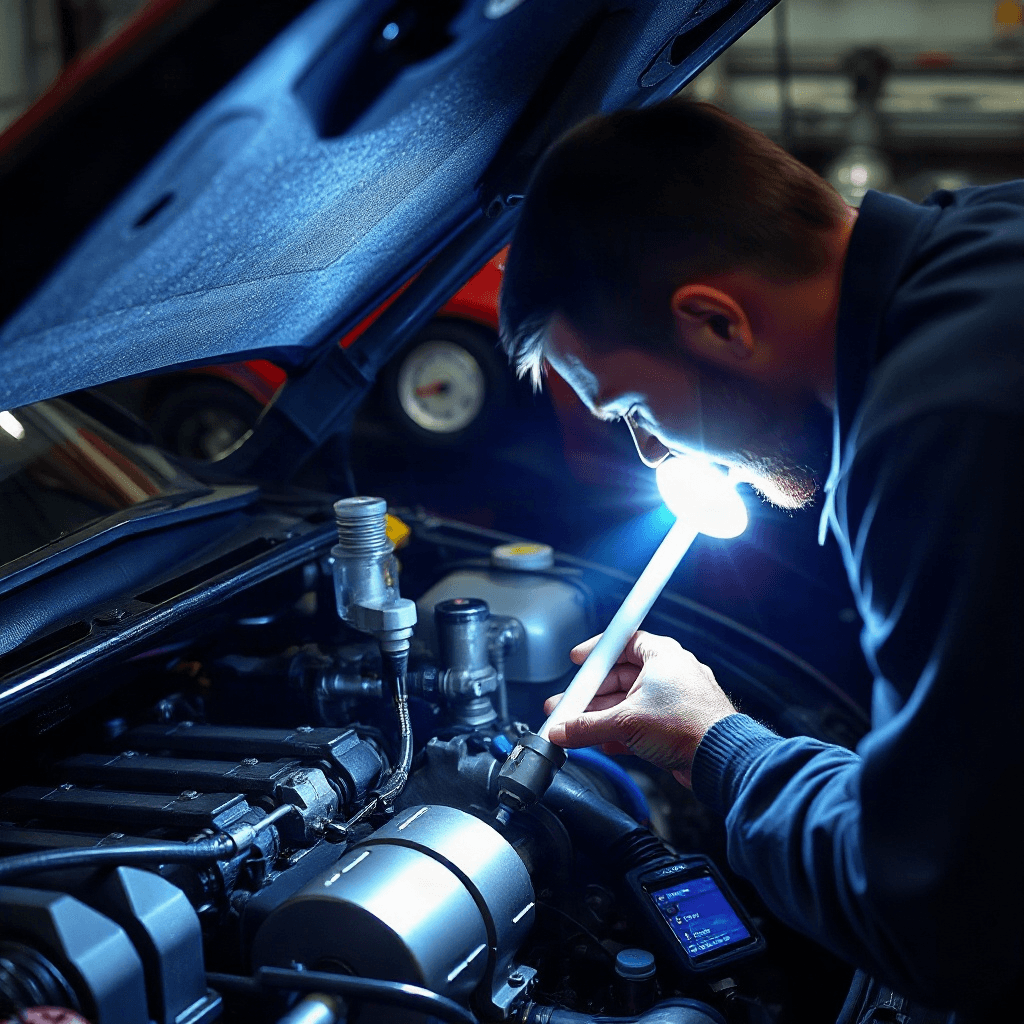
One common cause of random misfires is a vacuum leak in the engine. Check all vacuum hoses and connections for any signs of wear or damage. A simple visual inspection can often reveal the source of the leak. Replace any damaged hoses or connections to see if this resolves the misfire issue.
Inspect the Ignition System
Another potential culprit for random misfires is a fault in the ignition system. Check the spark plugs, ignition coils, and spark plug wires for any signs of damage or wear. Replace any faulty components with high-quality replacements to ensure a strong spark in each cylinder.
Clean or Replace the Mass Airflow Sensor
The mass airflow sensor plays a crucial role in regulating the air-fuel mixture in the engine. A dirty or faulty mass airflow sensor can lead to a P0300 code. Remove the sensor and clean it with mass airflow sensor cleaner. If cleaning doesn’t solve the issue, consider replacing the sensor with a new one.
Test the Fuel Injectors
Faulty fuel injectors can also cause random misfires in the engine. Use a fuel injector tester to check the performance of each injector. If any injectors are not functioning properly, replace them to ensure a consistent fuel supply to the cylinders.
Perform a Compression Test
If all else fails, it may be necessary to perform a compression test on the engine. Low compression in one or more cylinders can lead to misfires. If the compression levels are below the manufacturer’s specifications, it may be time to consider a more in-depth engine repair.
By following these steps and addressing the potential causes of a P0300 random misfire, you can often resolve the issue without resorting to replacing every component in the engine. Remember to approach the problem methodically and systematically to pinpoint the source of the misfire and implement the appropriate solution.