Electronic Stability Program (ESP) Module Replacement
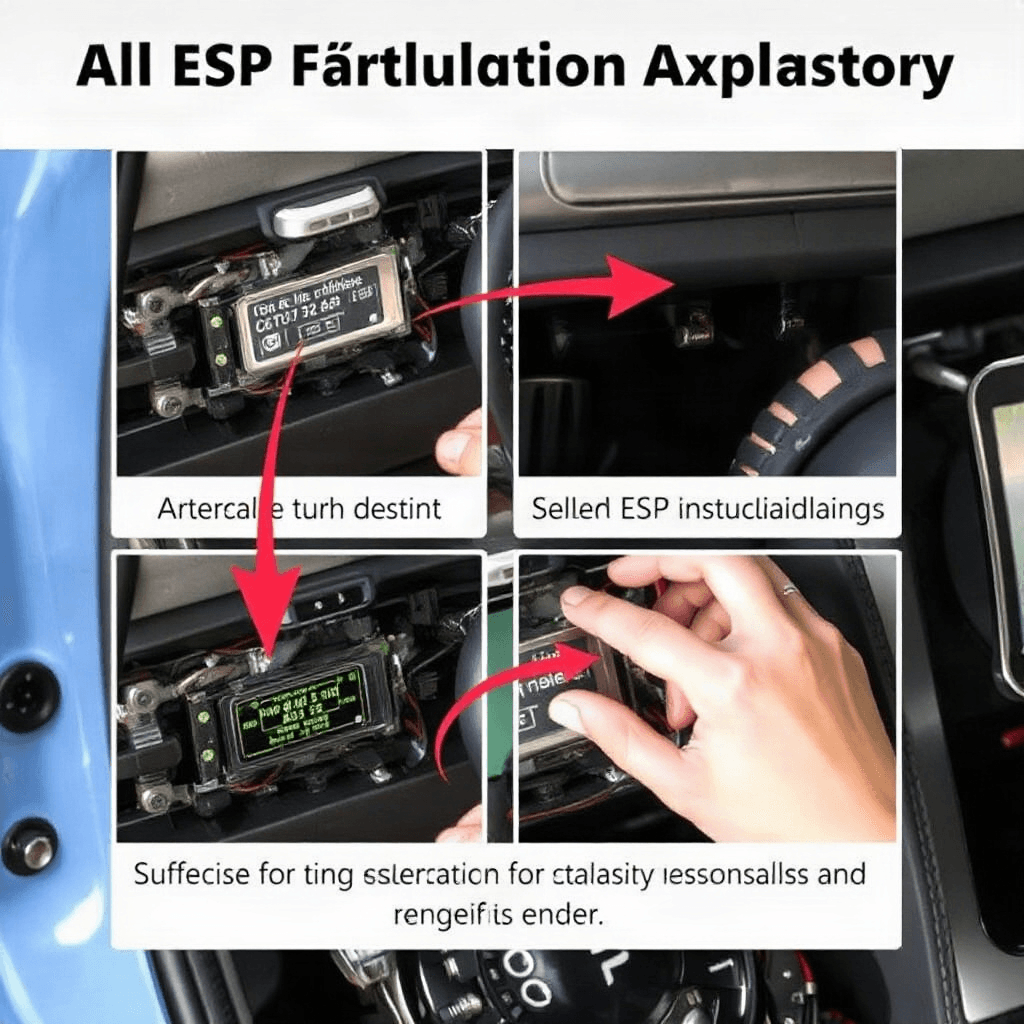
The Electronic Stability Program (ESP) Module is a crucial component in modern vehicles that helps ensure stability and control during sudden maneuvers or slippery road conditions. When this module malfunctions, it is essential to replace it promptly to maintain the safety and performance of the vehicle. In this article, we will discuss the process of ESP Module replacement in detail.
Understanding the Electronic Stability Program ESP
The Electronic Stability Program (ESP) is a technology designed to improve a vehicle’s stability by detecting and reducing skids. It works in conjunction with the vehicle’s anti-lock braking system (ABS) to prevent the wheels from locking up during emergency braking or when taking sharp turns. The ESP Module is responsible for processing data from various sensors in the vehicle to make real-time adjustments to the braking system and engine power.
Signs of a Faulty ESP Module
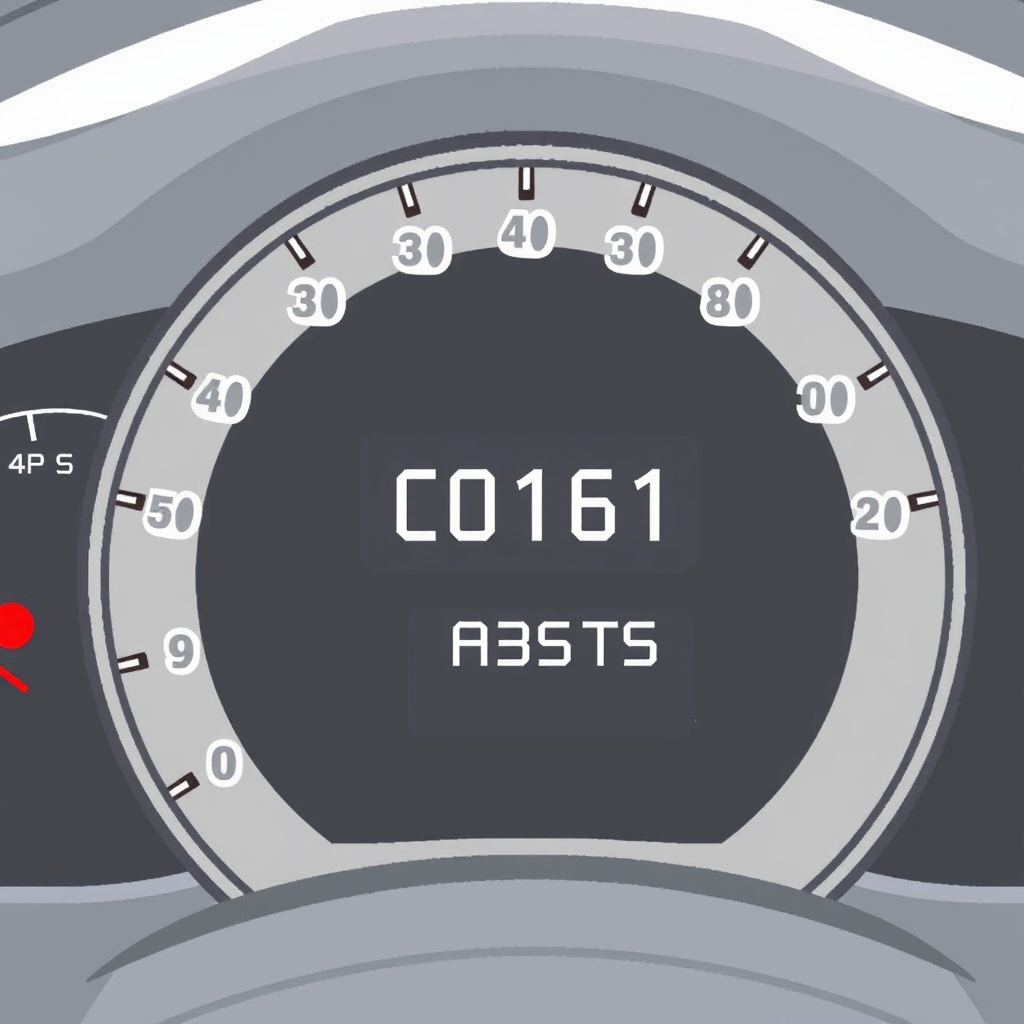
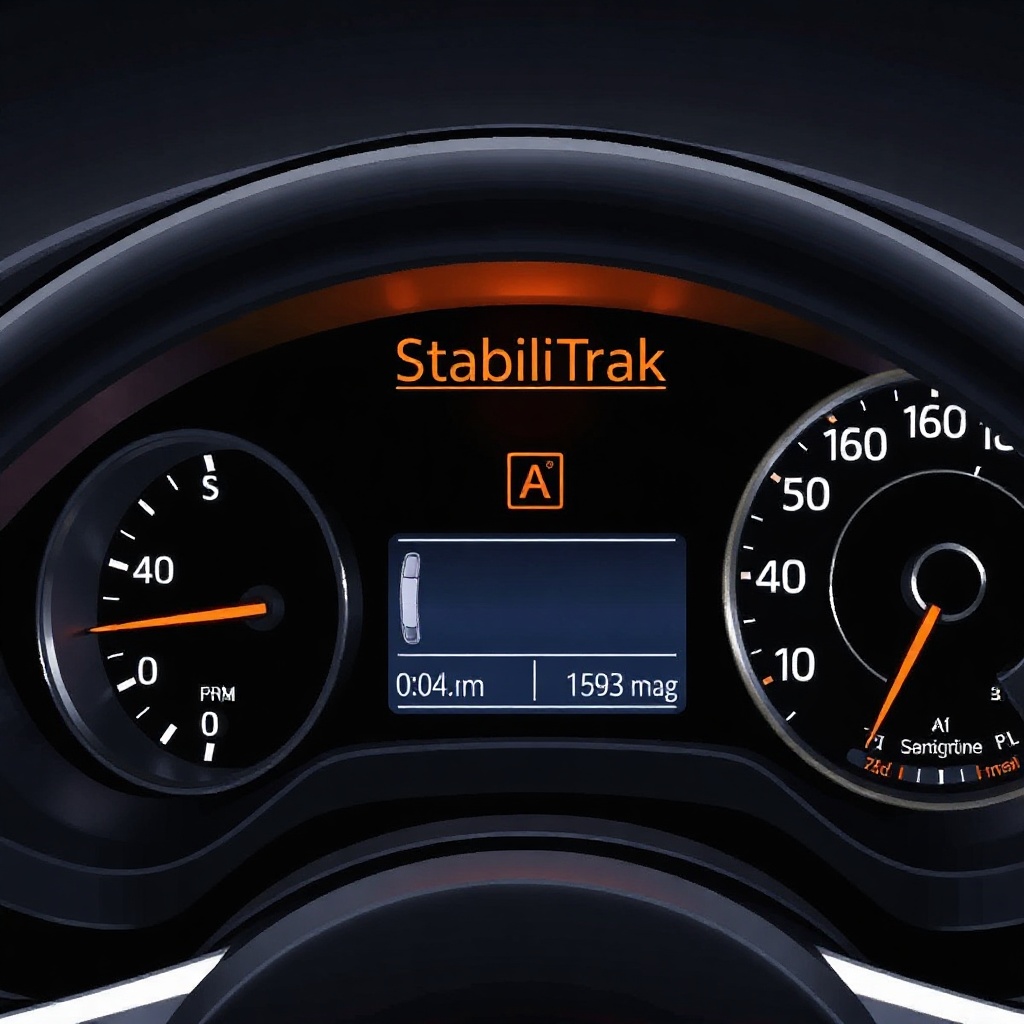
There are several signs that indicate a malfunctioning ESP Module, such as the ESP warning light illuminating on the dashboard, loss of traction control, or unusual noises coming from the module. It is essential to address these issues promptly to prevent accidents and ensure the safety of the vehicle occupants.
Diagnosis of the ESP Module
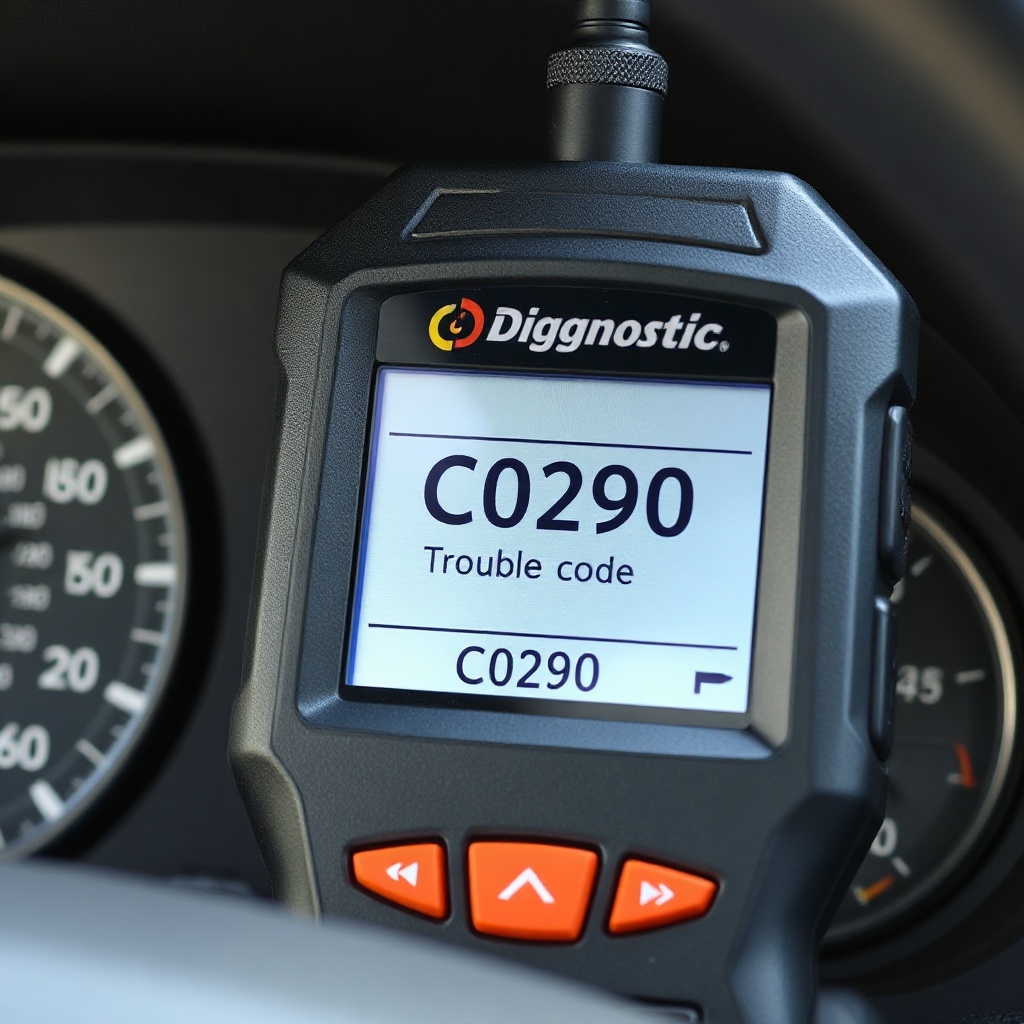
Before proceeding with the replacement of the ESP Module, it is crucial to diagnose the exact issue affecting the system. This typically involves using diagnostic tools to retrieve error codes stored in the module and conducting a thorough inspection of the module and related components. Only after identifying the root cause of the problem can the replacement process begin.
Replacement Process
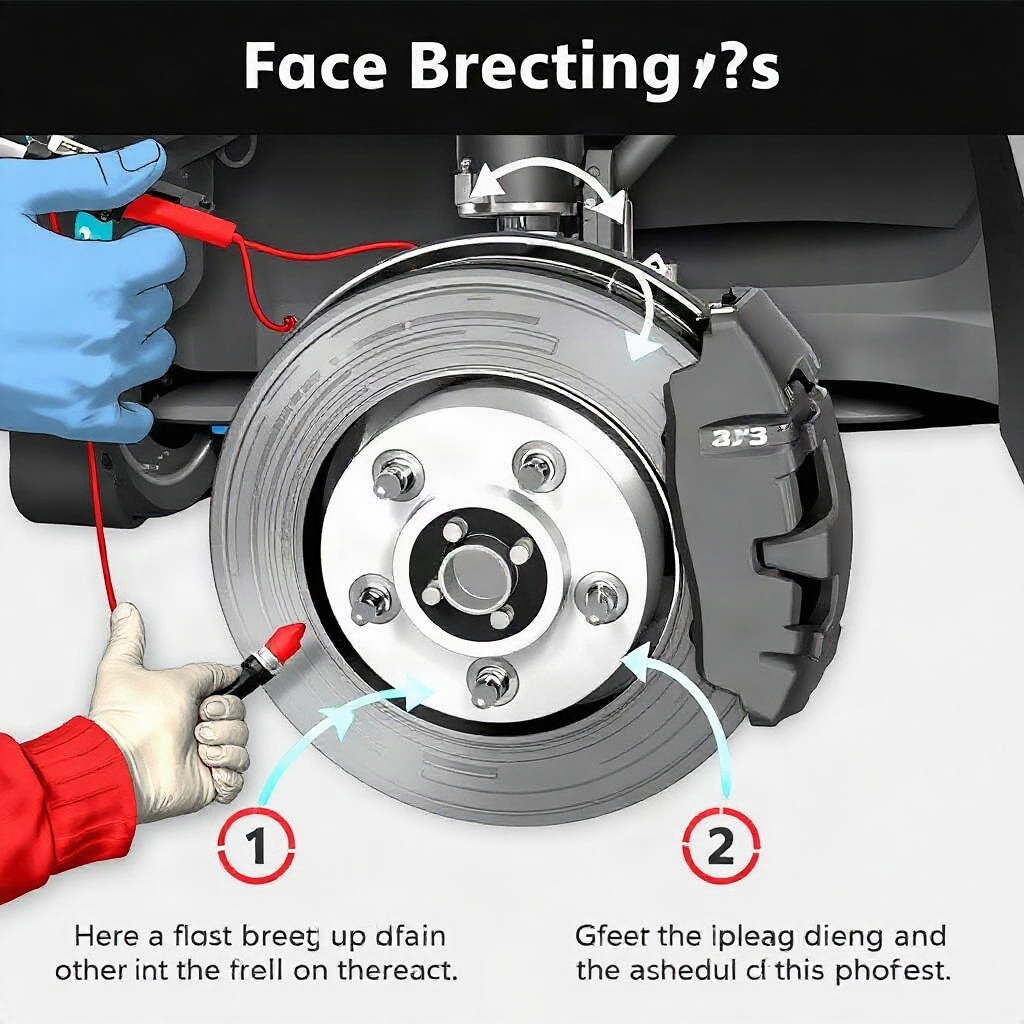
The replacement of the ESP Module is a complex procedure that requires technical expertise and specialized tools. The first step is to disconnect the vehicle’s battery to prevent any electrical hazards during the replacement. Next, the old module is removed carefully, taking note of its position and connections. The new module is then installed following the manufacturer’s guidelines and properly connected to the vehicle’s electrical system.
Calibration and Testing
After the installation of the new ESP Module, it is crucial to calibrate the system to ensure proper functionality. This typically involves using diagnostic tools to reset the module and perform a series of tests to confirm that the system is operating correctly. Any abnormalities or error codes should be addressed promptly to avoid further issues.
Maintenance and Care
Regular maintenance and care of the ESP Module are essential to ensure its longevity and reliability. This includes keeping the module clean and free of debris, checking for any loose connections or damaged components, and addressing any warning signs promptly. By following the manufacturer’s maintenance guidelines, vehicle owners can prevent costly repairs and ensure the safety of their vehicle.