How to Fix a Car That Idles High
High idling in a vehicle can be a frustrating issue that can affect the performance and efficiency of the car. When a car idles high, it means that the engine is running at a higher RPM (revolutions per minute) than normal when the vehicle is stationary. This can lead to increased fuel consumption, excessive noise, and potential damage to the engine if left unresolved. In this article, we will explore how to diagnose and fix a car that idles high.
Understanding the Causes of High Idling
High idling can be caused by a variety of factors, including a dirty or faulty idle air control valve, a vacuum leak, a malfunctioning throttle position sensor, or a clogged air filter. It is important to understand the underlying cause of the problem in order to effectively address it.
Diagnosing the Issue
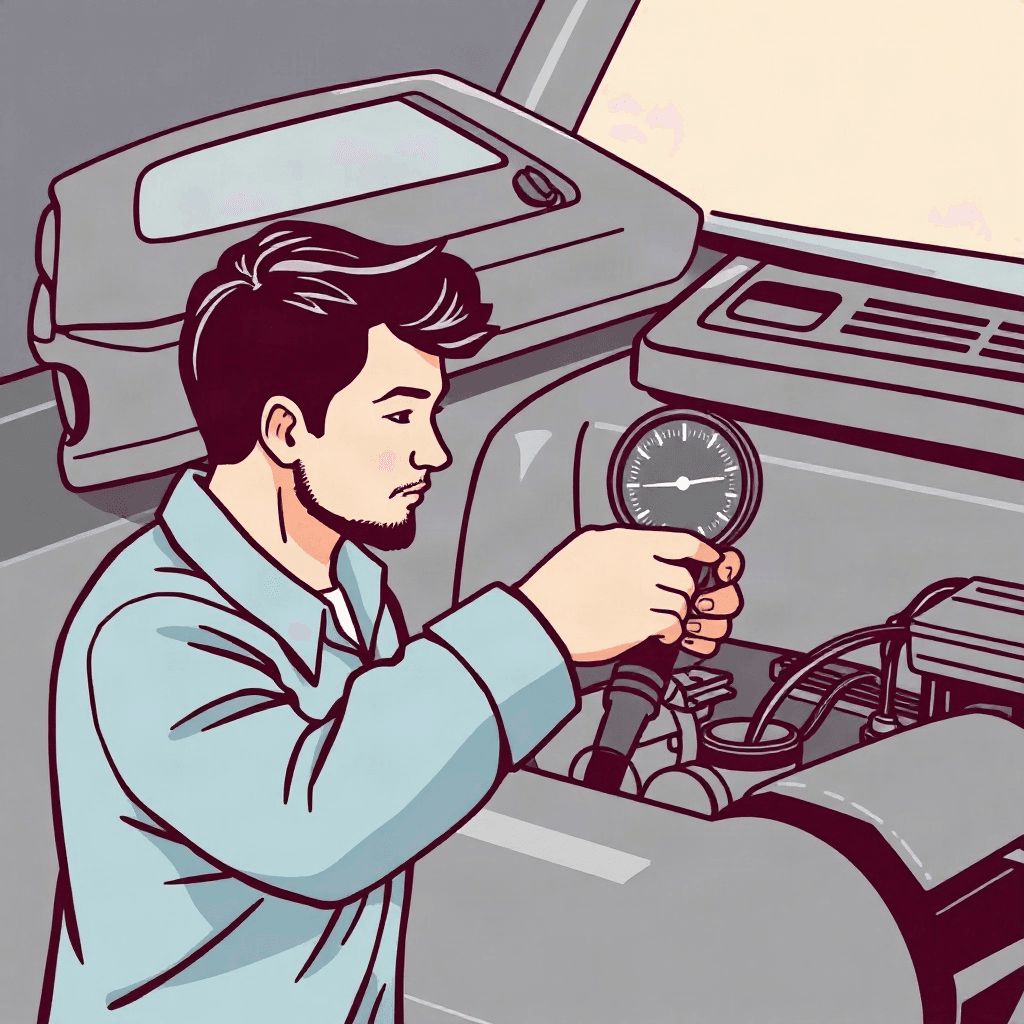
To diagnose a high idling problem, start by checking the idle air control valve and cleaning or replacing it if necessary. Next, inspect the vacuum lines for any leaks or cracks that could be causing the issue. Check the throttle position sensor for proper functioning and replace it if needed. Finally, inspect the air filter and replace it if it is dirty or clogged.
Adjusting the Idle Speed
If the issue persists after checking and replacing the necessary components, you may need to adjust the idle speed of the engine. This can be done by locating the idle speed adjustment screw on the throttle body and turning it either clockwise or counterclockwise to adjust the idle speed. Be sure to consult the vehicle’s manual for specific instructions on how to adjust the idle speed.
Checking for Vacuum Leaks
Vacuum leaks are a common cause of high idling in vehicles. To check for vacuum leaks, start by visually inspecting the vacuum lines for any signs of wear or damage. You can also use a can of carburetor cleaner to spray around the vacuum lines while the engine is running. If the engine idle changes when you spray a particular area, it is likely that there is a vacuum leak in that area.
Cleaning the Throttle Body
A dirty or clogged throttle body can also cause high idling in a vehicle. To clean the throttle body, remove the air intake hose and use a throttle body cleaner to spray and clean the inside of the throttle body. Be sure to follow the manufacturer’s instructions on how to properly clean the throttle body to avoid causing any damage.
Final Checks and Test Drive
After addressing the potential causes of high idling, be sure to perform a final check to ensure that all components are functioning properly. Start the engine and let it idle for a few minutes to see if the issue has been resolved. Take the car for a test drive to ensure that the high idling problem has been fixed.