Steering Angle Sensor Fault: Causes & How to Reset

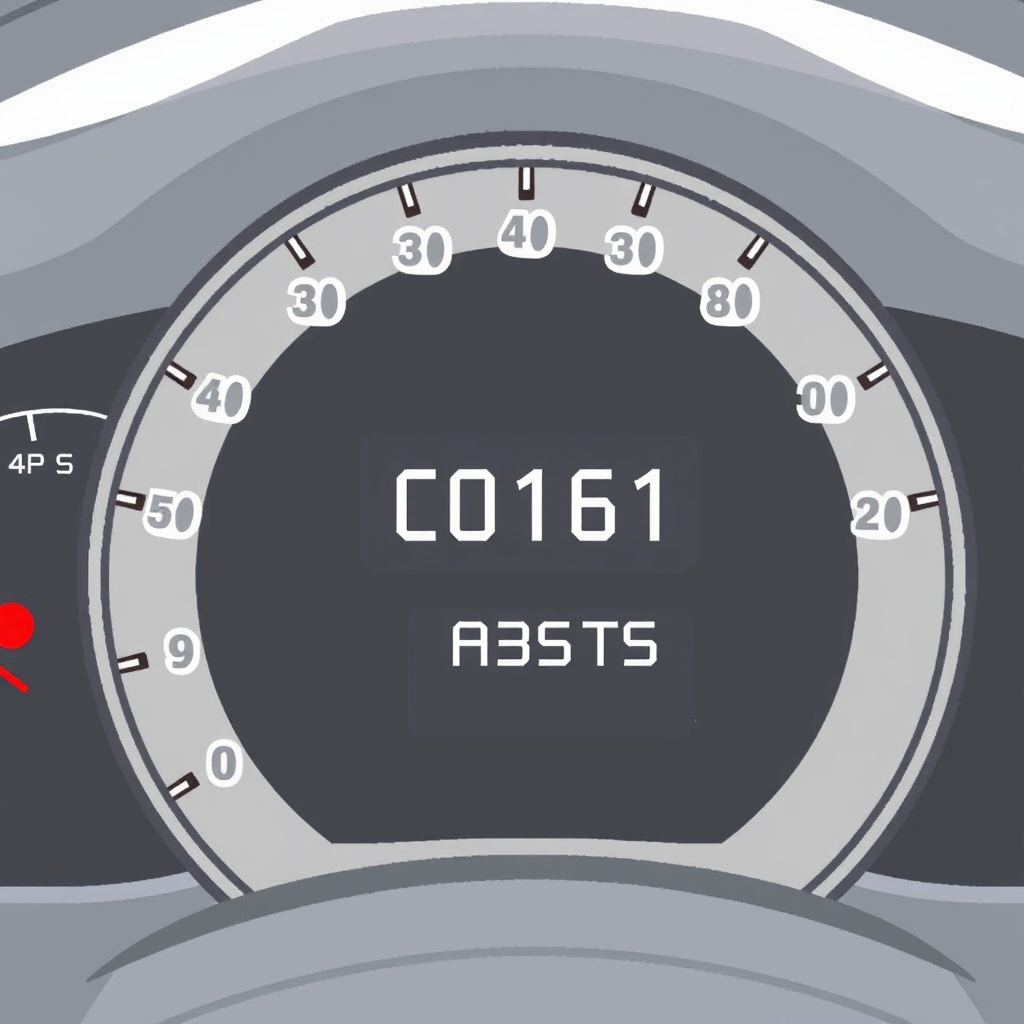
Driving down the road, you suddenly notice a warning light on your dashboard. “Steering Angle Sensor Fault,” it reads. Panic sets in as you try to figure out what this means and how to fix it. Don’t worry, we’ve got you covered. In this article, we’ll dive into the causes of steering angle sensor faults and how to reset them.
Understanding the Steering Angle Sensor
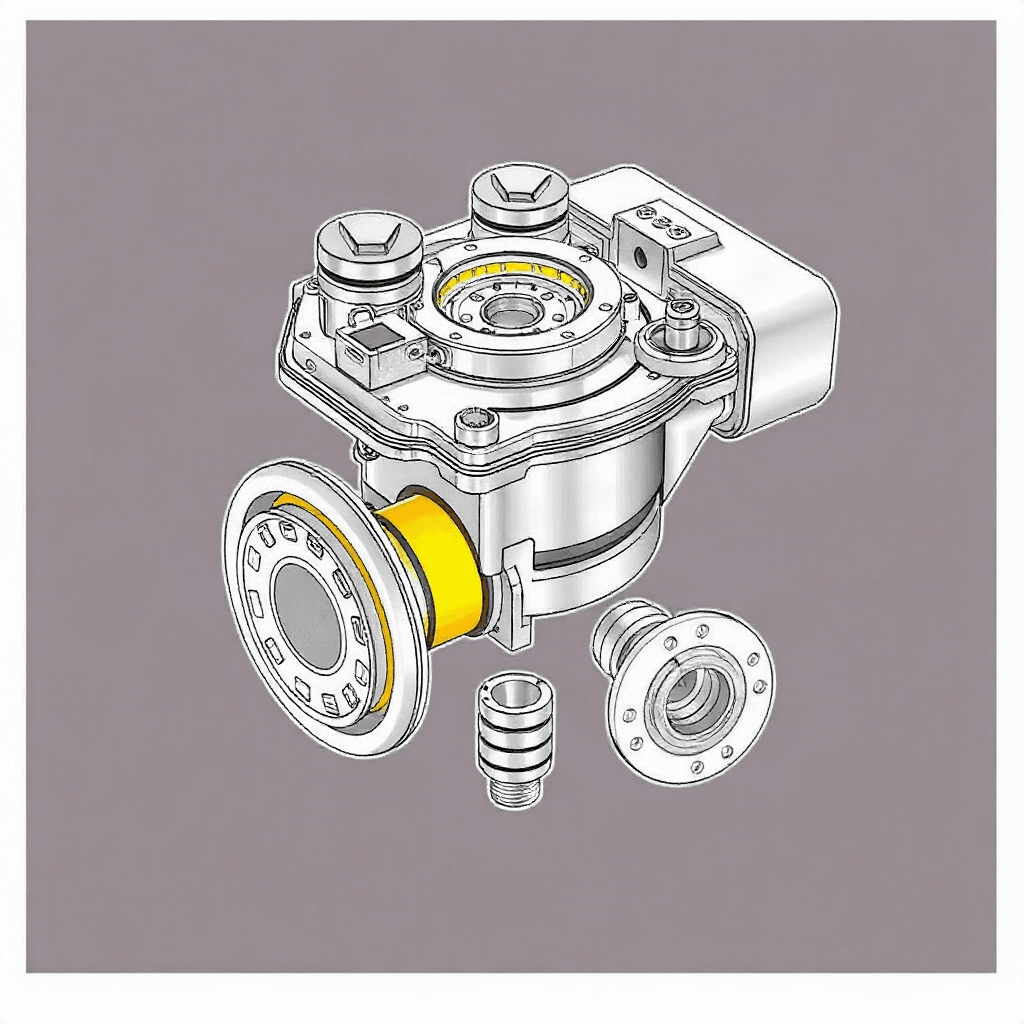
The steering angle sensor is a crucial component in modern vehicles, responsible for detecting the position of the steering wheel. This information is used by various safety systems, such as traction control and stability control, to ensure the vehicle stays on the intended path. When this sensor malfunctions, it can lead to a variety of issues.
Common Causes of Steering Angle Sensor Faults
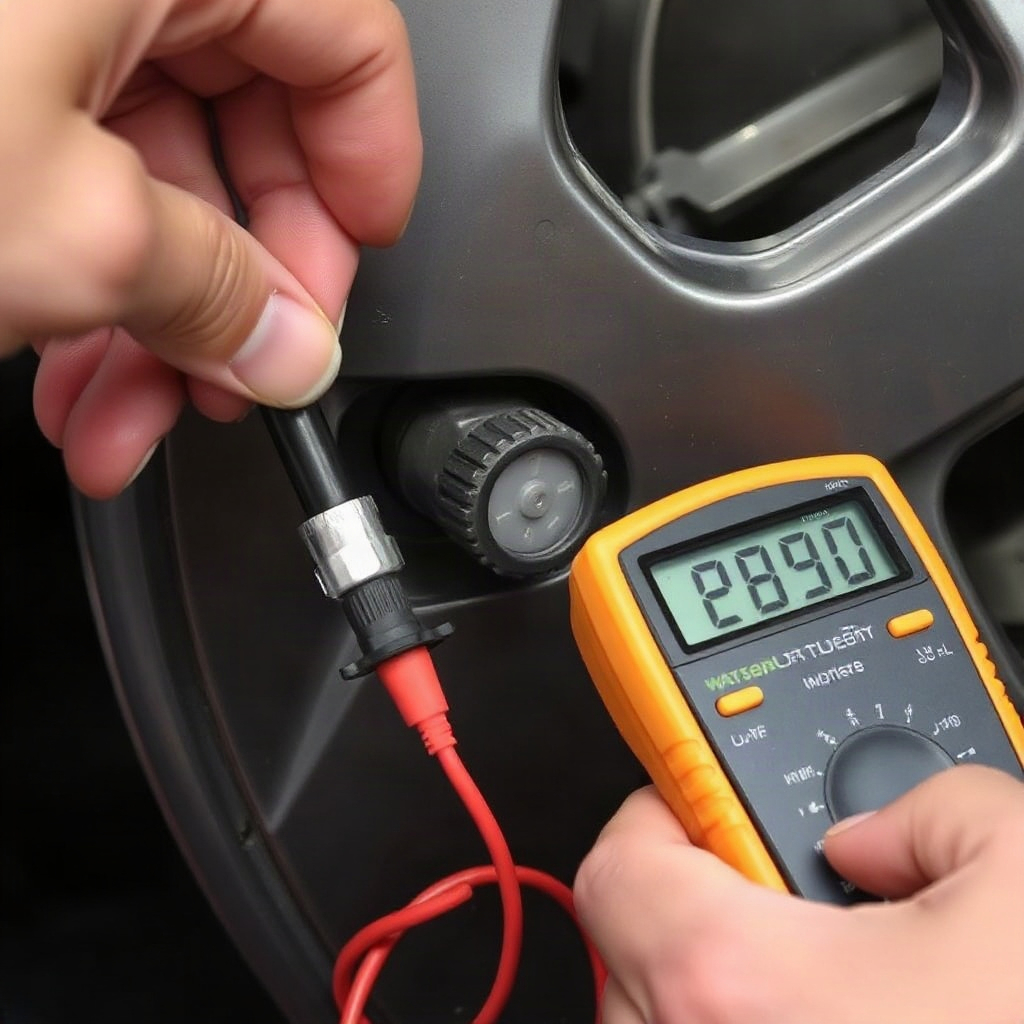
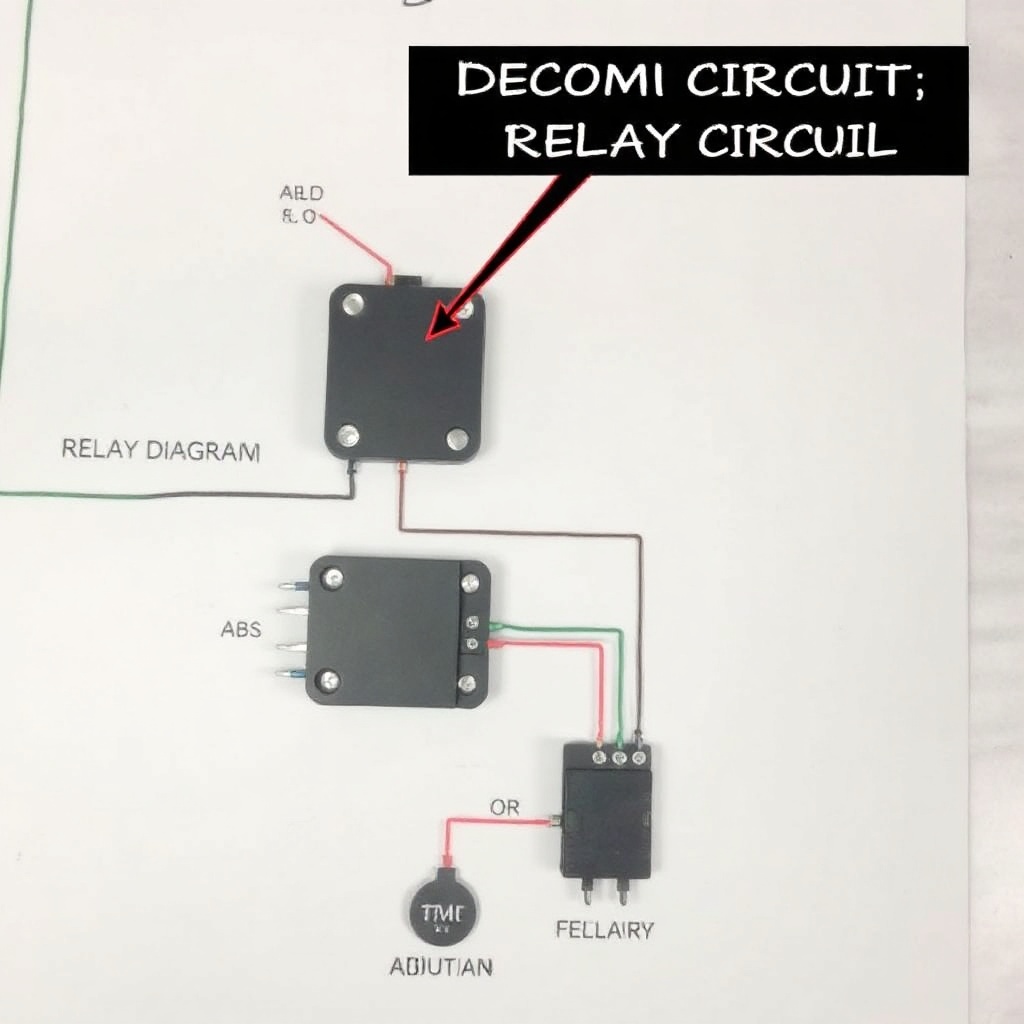
There are several reasons why a steering angle sensor fault may occur. One of the most common causes is a misalignment of the sensor due to improper installation or a bump to the wheel alignment. Electrical issues, such as a faulty wiring harness or blown fuse, can also lead to sensor faults. Additionally, sensor calibration errors or software glitches can cause problems.
Symptoms of a Faulty Steering Angle Sensor
It’s essential to recognize the signs of a faulty steering angle sensor to address the issue promptly. Some common symptoms include the traction control light staying on, the vehicle pulling to one side while driving straight, or the steering wheel feeling loose or unresponsive. If you notice any of these signs, it’s time to investigate the sensor.
How to Reset the Steering Angle Sensor
Resetting the steering angle sensor is a relatively simple process that can often be done at home. First, make sure your vehicle is parked on a flat surface with the steering wheel centered. Then, disconnect the battery for a few minutes to reset the system. Reconnect the battery, start the vehicle, and turn the steering wheel lock to lock a few times to recalibrate the sensor.
When to Seek Professional Help
If resetting the steering angle sensor doesn’t resolve the issue, it may be time to seek professional help. A qualified mechanic will be able to diagnose the problem using specialized equipment and software. They can also perform a more in-depth calibration of the sensor to ensure it’s functioning correctly.
Conclusion
In conclusion, a steering angle sensor fault can be a concerning issue for any driver. By understanding the causes of these faults and how to reset the sensor, you can confidently address the problem and get back on the road safely. Remember to stay proactive in maintaining your vehicle’s safety systems to prevent future issues.