Yaw Rate Sensor Replacement: Symptoms & Cost
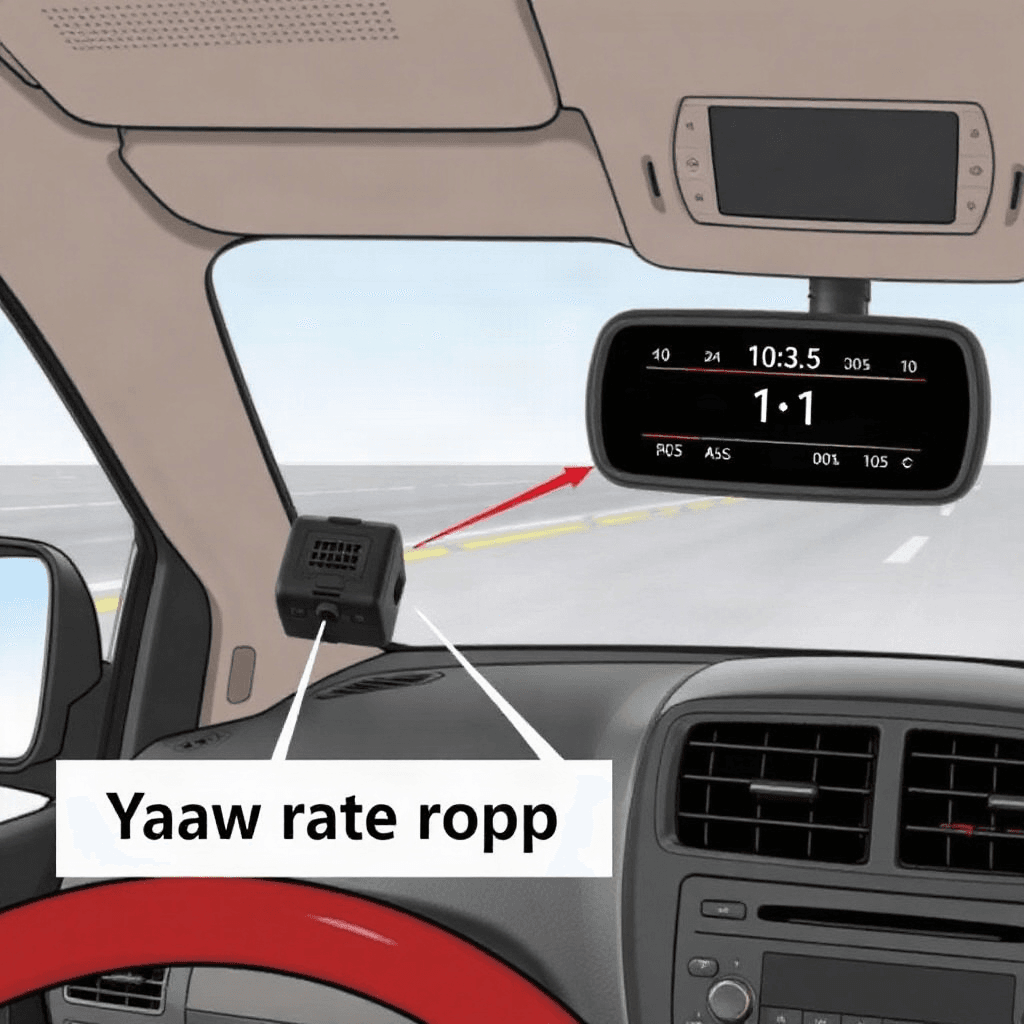
The yaw rate sensor in your vehicle plays a crucial role in detecting the vehicle’s rotation around its vertical axis. If this sensor malfunctions, it can lead to a variety of issues, affecting the overall stability and safety of your vehicle. In this article, we will discuss the symptoms of a faulty yaw rate sensor, the replacement process, and the associated costs.
Common Symptoms of a Faulty Yaw Rate Sensor
A malfunctioning yaw rate sensor can manifest in several ways. One common symptom is the vehicle’s stability control system light illuminating on the dashboard. This indicates that the sensor is not functioning properly and needs to be addressed. Additionally, you may experience issues with the vehicle’s traction control system, as the sensor plays a key role in this function as well.
Diagnostic Process for Identifying a Faulty Yaw Rate Sensor
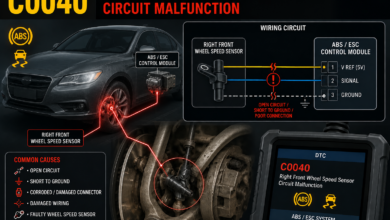
When you experience symptoms indicating a faulty yaw rate sensor, it is important to have a professional diagnostic test performed. This will pinpoint the exact issue and confirm whether the sensor needs to be replaced. The diagnostic process typically involves connecting a scan tool to the vehicle’s onboard computer system to retrieve error codes related to the sensor.
Replacement of the Yaw Rate Sensor
Once the faulty yaw rate sensor has been identified, it is crucial to proceed with the replacement process promptly. This involves locating the sensor, which is typically located beneath the vehicle’s center console or under the dashboard. The sensor is then carefully removed and replaced with a new one to ensure optimal performance.
Cost of Yaw Rate Sensor Replacement
The cost of replacing a yaw rate sensor can vary depending on the make and model of your vehicle, as well as the location where the replacement is performed. On average, you can expect to pay anywhere from $200 to $500 for parts and labor. It is important to consult with a trusted mechanic to obtain an accurate cost estimate for your specific vehicle.
Importance of Timely Replacement
Ignoring the symptoms of a faulty yaw rate sensor can have serious consequences for your vehicle’s safety and performance. It is essential to address any issues promptly and have the sensor replaced as needed. By taking proactive measures, you can ensure that your vehicle remains safe and reliable on the road.
Conclusion
In conclusion, the yaw rate sensor is a critical component of your vehicle’s stability control system. If you experience symptoms indicating a faulty sensor, it is important to have it diagnosed and replaced as soon as possible. By addressing issues promptly, you can maintain the safety and performance of your vehicle for years to come.