How to Test Fuel Pressure Before Replacing the Pump
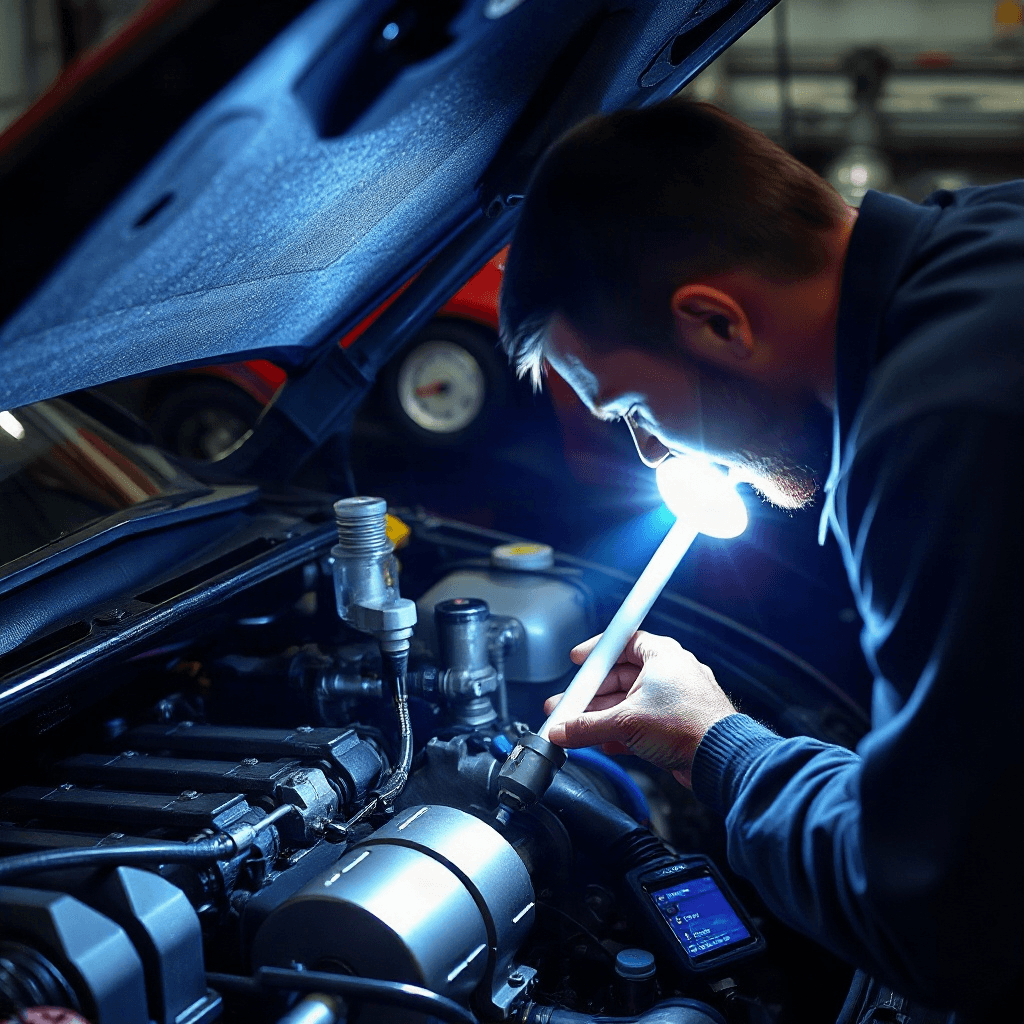
When your car is having issues starting up or running smoothly, one of the potential culprits could be a failing fuel pump. However, before you jump to conclusions and replace the pump, it’s important to properly diagnose the issue. One key step in this process is testing the fuel pressure to determine if the pump is indeed the problem. In this blog post, we will guide you through the steps on how to test fuel pressure before replacing the pump.
Understanding Fuel Pressure
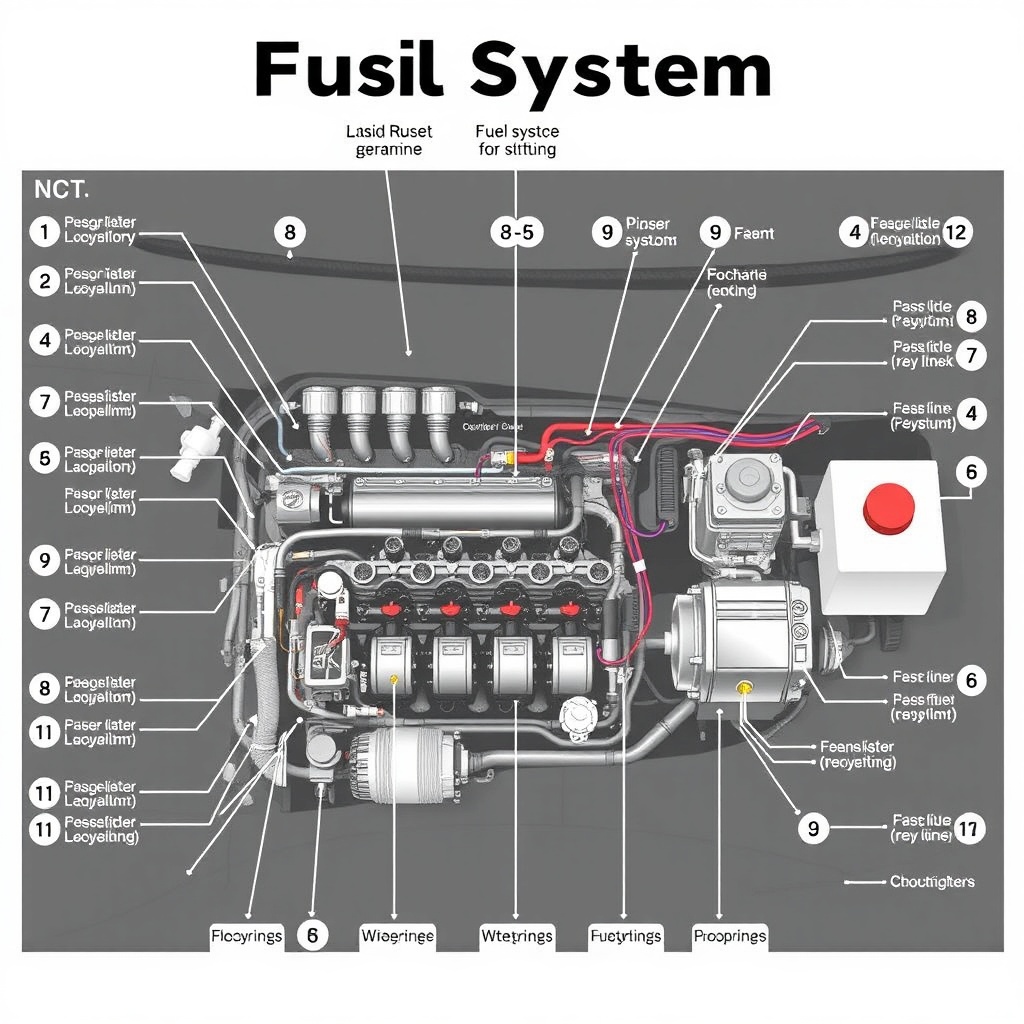
Before we delve into the testing process, it’s essential to have a basic understanding of what fuel pressure is and why it’s important. Fuel pressure refers to the amount of force that the fuel is under within the fuel system. This pressure is crucial for ensuring that the engine receives the right amount of fuel for combustion.
Signs of Low Fuel Pressure
One of the most common symptoms of low fuel pressure is difficulty starting the engine. If you notice that your car takes longer to start or struggles to turn over, it could be a sign of fuel pressure issues. Additionally, you may experience stalling, rough idling, or a lack of power while driving.
Preparing for the Test
Before you can test the fuel pressure, you will need a few tools and equipment. These typically include a fuel pressure gauge, safety goggles, and a clean rag. It’s also recommended to consult your vehicle’s manual to locate the fuel pressure test port.
Testing the Fuel Pressure
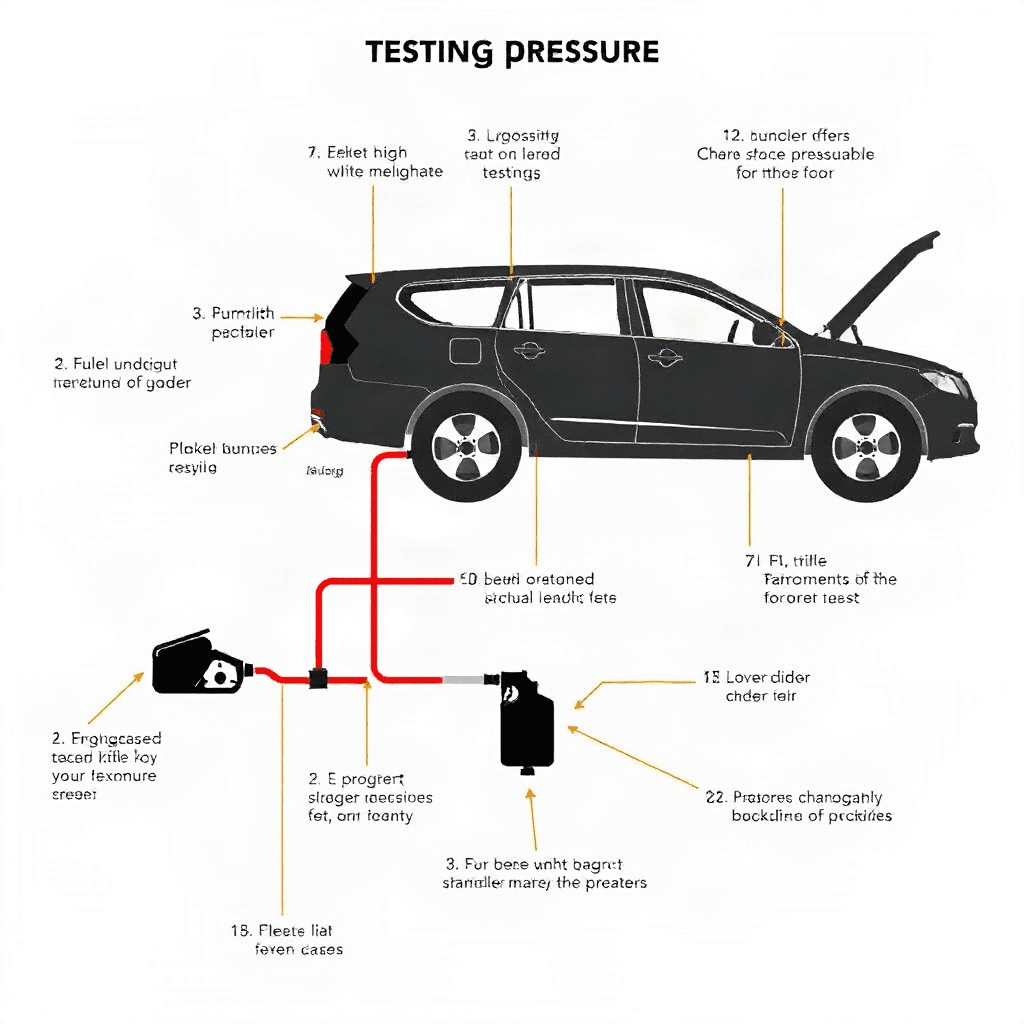
To begin the test, first, locate the fuel pressure test port on your vehicle. Then, carefully attach the fuel pressure gauge to the test port and secure it in place. With the gauge connected, turn the ignition key to the “On” position without starting the engine. This will pressurize the fuel system and allow you to take a reading on the gauge.
Interpreting the Results
Once you have taken a reading on the fuel pressure gauge, compare it to the manufacturer’s specifications for your vehicle. If the reading falls within the recommended range, then the fuel pump is likely functioning correctly. However, if the pressure is significantly lower than the specified range, it could indicate a failing fuel pump.
Next Steps
If the fuel pressure test reveals that the fuel pump is indeed the issue, it’s important to address the problem promptly. Replacing a fuel pump can be a complex and labor-intensive task, so it’s recommended to seek professional help if you’re not familiar with automotive repairs.
By following these steps to test the fuel pressure before replacing the pump, you can accurately diagnose the issue and avoid unnecessary expenses on replacing a functioning component. Remember to always prioritize safety when working on your vehicle’s fuel system and consult a professional if you’re unsure about any steps in the process.