Automatic Locking Hub Failure: Symptoms and Tests
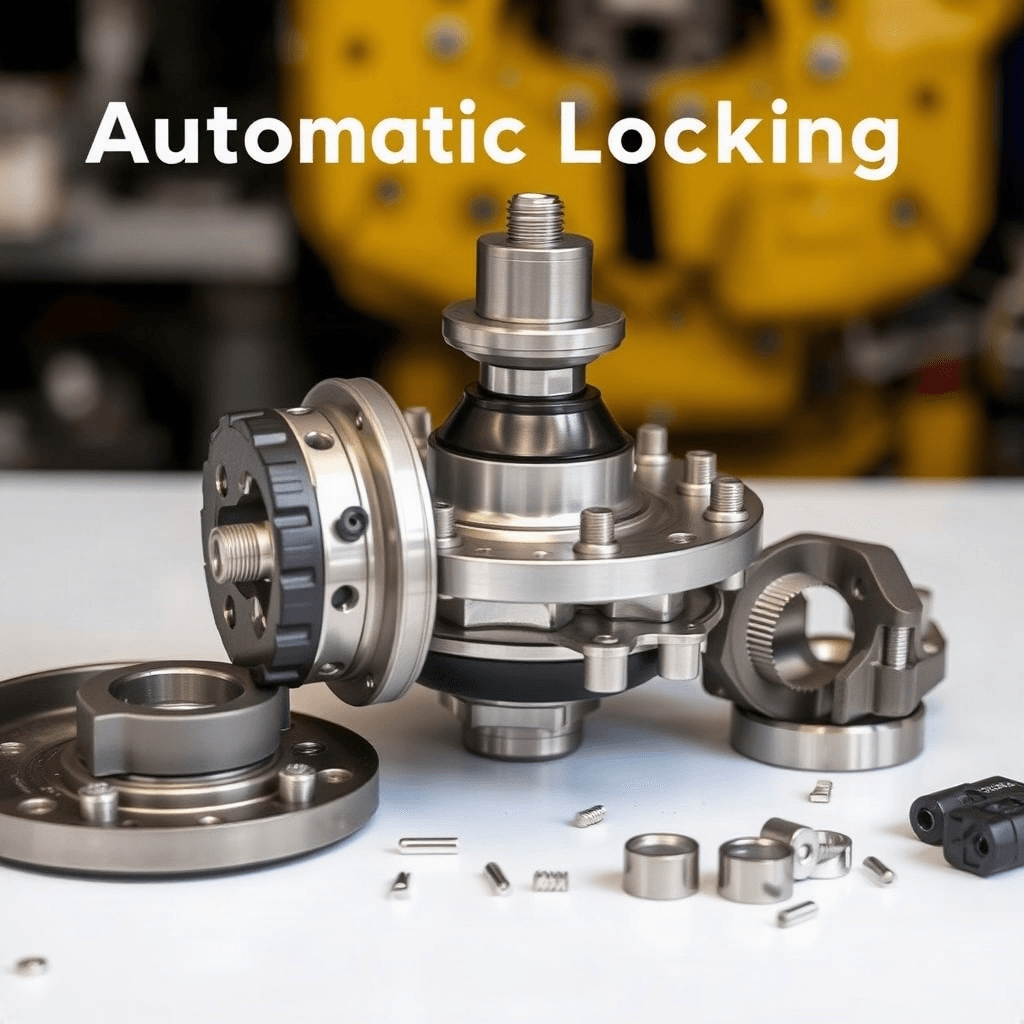
Automatic locking hubs are a crucial component of a vehicle’s four-wheel drive system, allowing the wheels to engage and disengage from the front axle as needed. However, like any mechanical part, they can fail over time, leading to a range of issues for the vehicle. In this article, we will explore the symptoms of automatic locking hub failure and the tests that can be conducted to diagnose the problem.
Common Symptoms of Automatic Locking Hub Failure
When automatic locking hubs start to fail, there are several common symptoms that may indicate a problem. One of the most noticeable signs is a clicking or grinding noise coming from the front wheels when the vehicle is in four-wheel drive. This noise is often accompanied by a vibration in the steering wheel or a pulling sensation to one side. Additionally, you may experience difficulty engaging or disengaging the four-wheel drive system, or notice that the vehicle has reduced traction in off-road conditions.
Visual Inspection and Test Drive
If you suspect that your automatic locking hubs are failing, the first step is to visually inspect them for any obvious signs of damage or wear. Look for any cracks, broken pieces, or excessive rust on the hubs. You can also perform a test drive to further diagnose the issue. Pay attention to how the vehicle responds when shifting in and out of four-wheel drive, and listen for any unusual noises or vibrations coming from the front wheels.
Hub Disassembly and Inspection
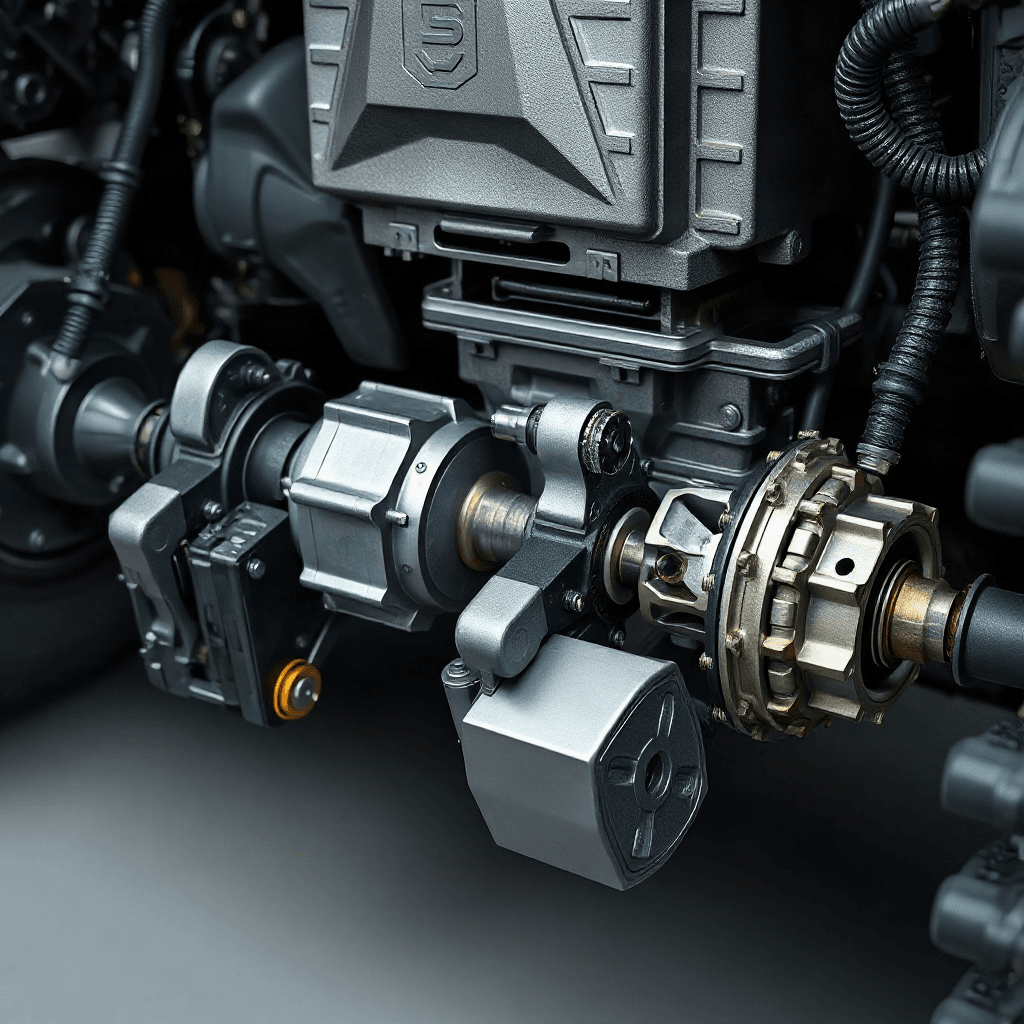
If the visual inspection and test drive do not provide a clear diagnosis, the next step is to disassemble the automatic locking hubs for a closer inspection. This process involves removing the wheels, brake calipers, and hub assembly to access the locking mechanism inside. Check for any signs of wear, such as stripped gears or damaged bearings, that may be causing the issue. It is important to follow the manufacturer’s guidelines when disassembling the hubs to avoid causing further damage.
Hub Bearing and Seal Replacement
In some cases, the failure of automatic locking hubs may be due to worn-out bearings or seals inside the hub assembly. If this is the case, it may be necessary to replace these components to restore the function of the hubs. Hub bearing and seal replacement can be a complex and time-consuming process, so it is recommended to seek the assistance of a professional mechanic for this repair.
Testing the Four-Wheel Drive System
After replacing any worn-out components, it is important to test the four-wheel drive system to ensure that the automatic locking hubs are functioning properly. Take the vehicle for a test drive in different driving conditions, such as on and off-road, to verify that the hubs engage and disengage smoothly. Pay attention to any abnormal noises or sensations during the test drive, as these may indicate that further repairs are needed.
Regular Maintenance and Inspection
To prevent automatic locking hub failure in the future, it is important to perform regular maintenance and inspections on the four-wheel drive system. This includes checking the hubs for signs of wear, lubricating the components as needed, and following the manufacturer’s recommended service intervals. By staying proactive with maintenance, you can extend the life of your automatic locking hubs and avoid costly repairs down the line.