AWD or 4WD Binds on Dry Pavement: Causes and Diagnostic Checks
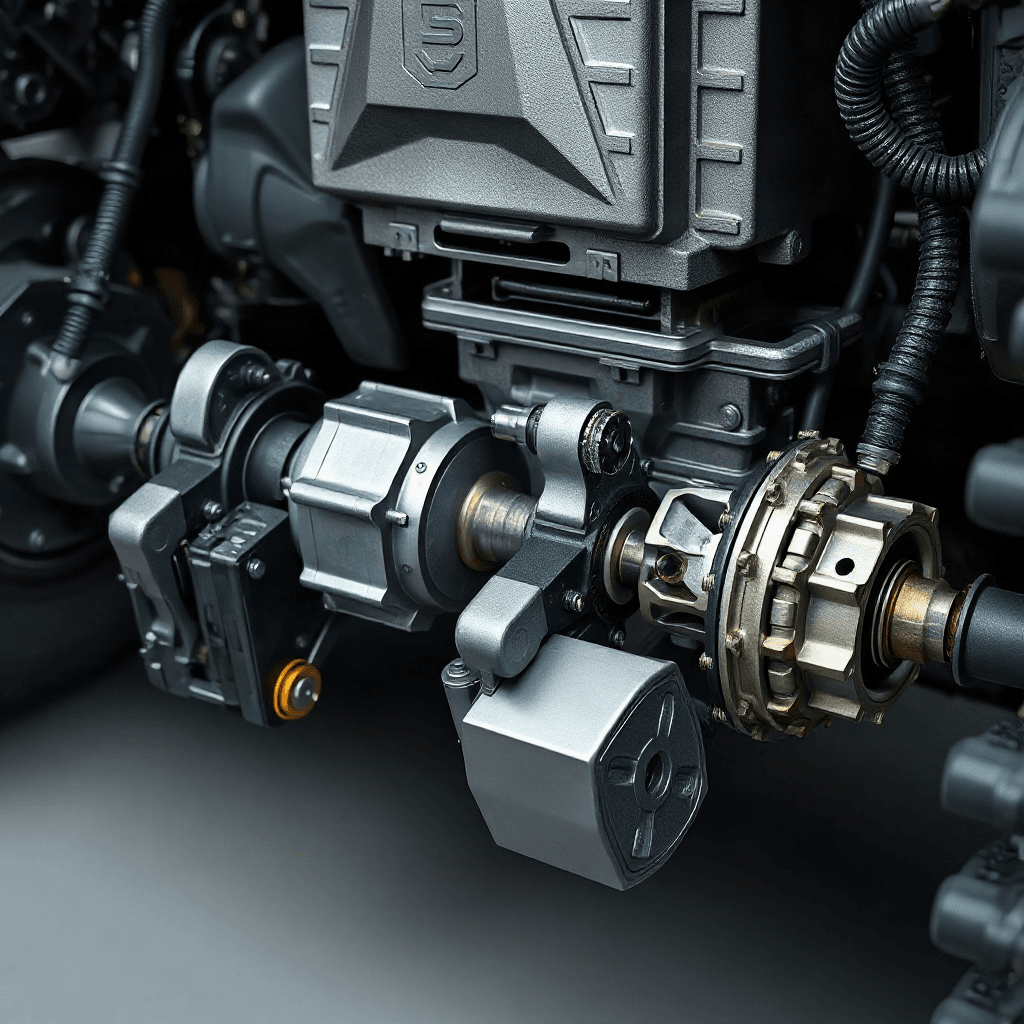
Driving an all-wheel drive (AWD) or four-wheel drive (4WD) vehicle can provide extra traction and stability in challenging road conditions. However, one common issue that drivers may encounter is the sensation of binding or hopping when driving on dry pavement. In this guide, we will explore the causes of this problem and provide diagnostic checks to help you address it effectively.
Understanding the Difference Between AWD and 4WD
All-wheel drive (AWD) and four-wheel drive (4WD) are both systems that distribute power to all four wheels of a vehicle. However, there are key differences between the two. AWD is typically always engaged and can vary power distribution between the front and rear wheels, while 4WD is often manually engaged and distributes power equally to all four wheels. Understanding these differences can help pinpoint the source of binding on dry pavement.
Overloading the Differential
One possible cause of binding on dry pavement in an AWD or 4WD vehicle is overloading the differential. The differential is responsible for allowing the wheels to turn at different speeds when necessary. When overloaded, it can cause the wheels to bind and lead to a jerky or hopping sensation while driving. Checking the differential for proper lubrication and wear can help resolve this issue.
Incorrect Tire Size or Inflation
Another common reason for binding on dry pavement is using tires of incorrect size or inflation. Mismatched tire sizes or improperly inflated tires can cause the wheels to rotate at different speeds, leading to binding. Ensuring that all tires are properly inflated and matched in size can prevent this issue from occurring.
Malfunctioning Drivetrain Components
Issues with drivetrain components such as the transfer case, axles, or driveshafts can also result in binding on dry pavement. Worn or damaged components can cause uneven power distribution, leading to the sensation of binding. Performing a thorough inspection of these components can help identify any potential problems and address them promptly.
Lack of Maintenance
Regular maintenance is essential for keeping AWD and 4WD systems in optimal condition. Neglecting maintenance tasks such as fluid changes, inspections, and repairs can result in issues like binding on dry pavement. Following the manufacturer’s recommended maintenance schedule can help prevent these problems from occurring.
Seeking Professional Assistance
If you have tried the diagnostic checks mentioned above and are still experiencing binding on dry pavement, it may be time to seek the expertise of a professional mechanic. A qualified technician can perform a detailed inspection of your vehicle’s drivetrain and recommend the necessary repairs to resolve the issue effectively.