How to Diagnose Blue, White, or Black Exhaust Smoke by Color and Conditions
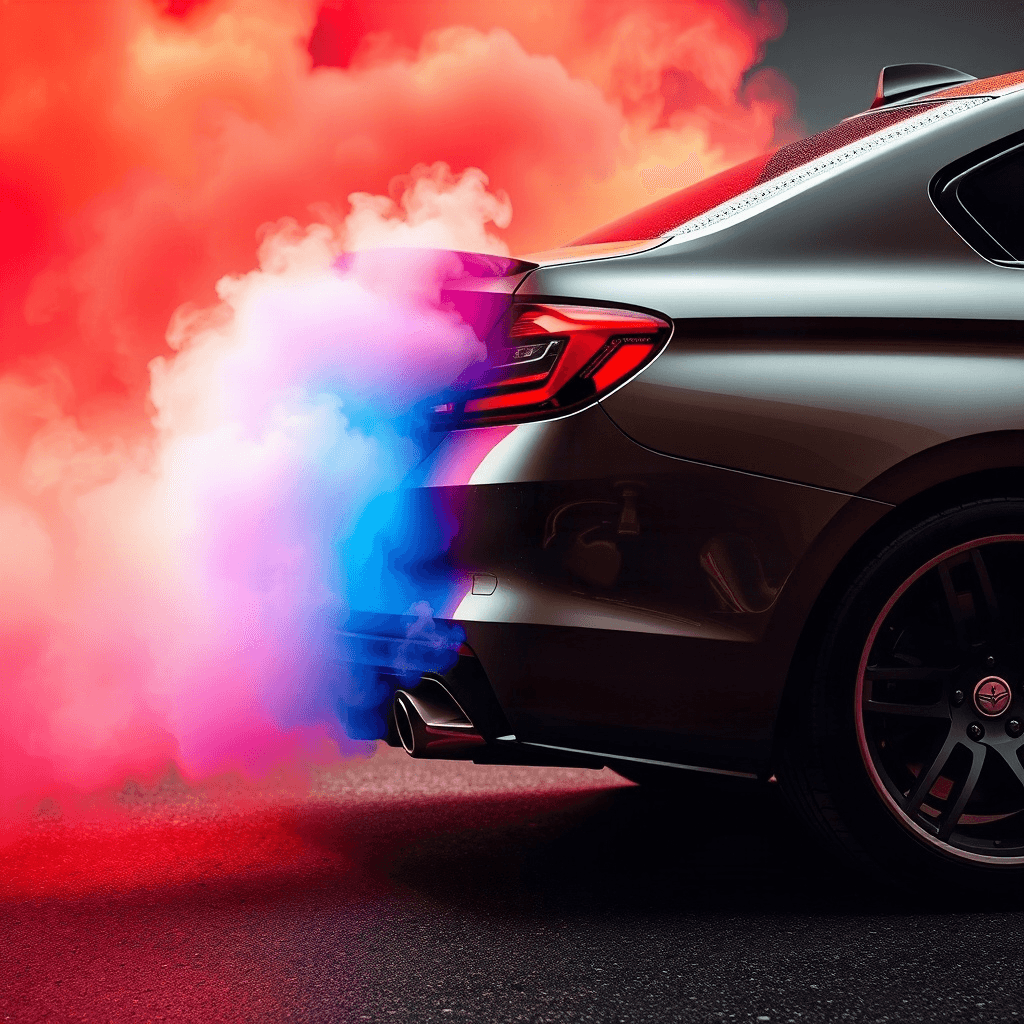
Blue, white, or black exhaust smoke can indicate different issues with your vehicle. Knowing how to diagnose the color of the smoke and the conditions it appears in can help you identify potential problems early on. In this review, we will explore the significance of blue, white, and black exhaust smoke, and what they can tell you about your car’s health.
Blue Exhaust Smoke
Blue exhaust smoke is often a sign of burning oil, which could be due to worn piston rings, damaged cylinders, or a faulty turbocharger. If you notice blue smoke coming from your exhaust, it is crucial to address the issue promptly to prevent further damage to your engine.
White Exhaust Smoke
White exhaust smoke can be caused by a variety of issues, including a blown head gasket, a cracked engine block, or a damaged cylinder head. It may also indicate that coolant is leaking into the combustion chamber. Ignoring white smoke can lead to overheating and engine failure, so it is essential to diagnose and fix the problem as soon as possible.
Black Exhaust Smoke
Black exhaust smoke is typically a sign of an overly rich air-fuel mixture, which can be caused by issues such as a clogged air filter, a malfunctioning fuel injector, or a faulty oxygen sensor. Running a vehicle with black smoke can lead to decreased fuel efficiency and increased emissions, so it is important to address the root cause promptly.
Diagnosing the Issue
When diagnosing blue, white, or black exhaust smoke, it is essential to consider the conditions in which the smoke appears. Pay attention to when the smoke is most visible – is it during acceleration, deceleration, or idling? Additionally, consider any other symptoms your vehicle may be exhibiting, such as rough idling, loss of power, or strange noises.
Taking Action
Once you have identified the color of the exhaust smoke and the conditions in which it appears, it is time to take action. Depending on the severity of the issue, you may need to seek professional help to diagnose and repair the problem. Ignoring exhaust smoke can lead to more significant and costly repairs down the line, so it is best to address the issue promptly.
Conclusion
In conclusion, diagnosing blue, white, or black exhaust smoke by color and conditions can help you identify potential issues with your vehicle’s engine. By understanding what each color of smoke indicates and taking prompt action, you can ensure the health and longevity of your car. Remember to address any unusual exhaust smoke promptly to prevent further damage.