U0167 Code: Lost Communication With Vehicle Immobilizer Control Module
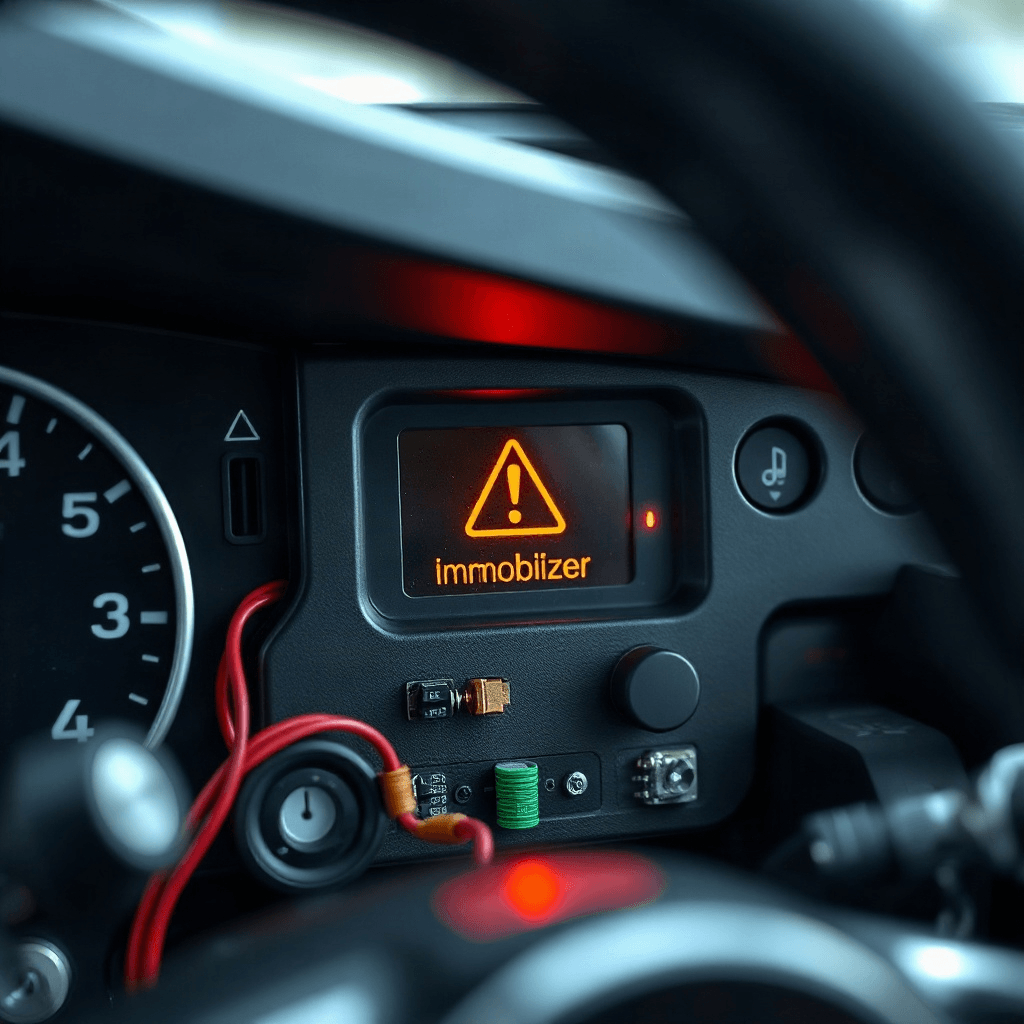
In the world of automotive technology, error codes play a vital role in diagnosing issues within a vehicle’s complex network of systems. One such code, U0167, signals a loss of communication with the Vehicle Immobilizer Control Module. This particular error can be perplexing, as it involves both electronic and mechanical systems working in harmony to ensure vehicle security. Understanding the implications and potential solutions for this error is crucial for automotive technicians and enthusiasts alike. The U0167 code not only highlights a communication breakdown but also presents an opportunity to delve into the intricacies of modern vehicle security systems.
Understanding the Vehicle Immobilizer System
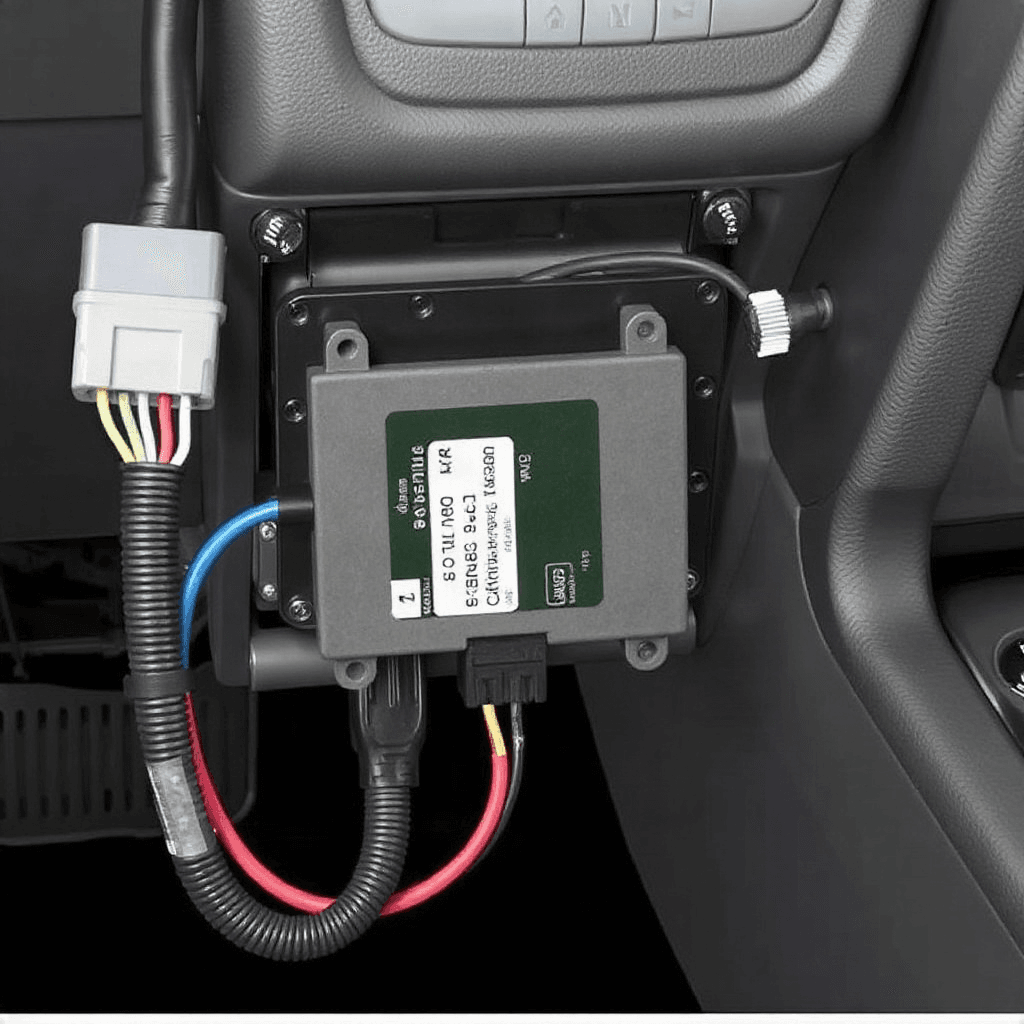
The Vehicle Immobilizer System is a crucial component in modern vehicles, designed to prevent unauthorized use by disabling the engine or other essential systems. It operates in conjunction with the vehicle’s electronic control units (ECUs), ensuring that only a correctly coded key can initiate the vehicle’s start sequence. The system communicates with various modules, including the Engine Control Module (ECM) and Body Control Module (BCM), to verify the legitimacy of the key. A failure in this communication, as indicated by the U0167 code, can result in the immobilizer system failing to recognize the key, subsequently preventing the vehicle from starting. This underscores the importance of communication pathways within the vehicle’s electronic architecture.
Diagnosing the U0167 Code
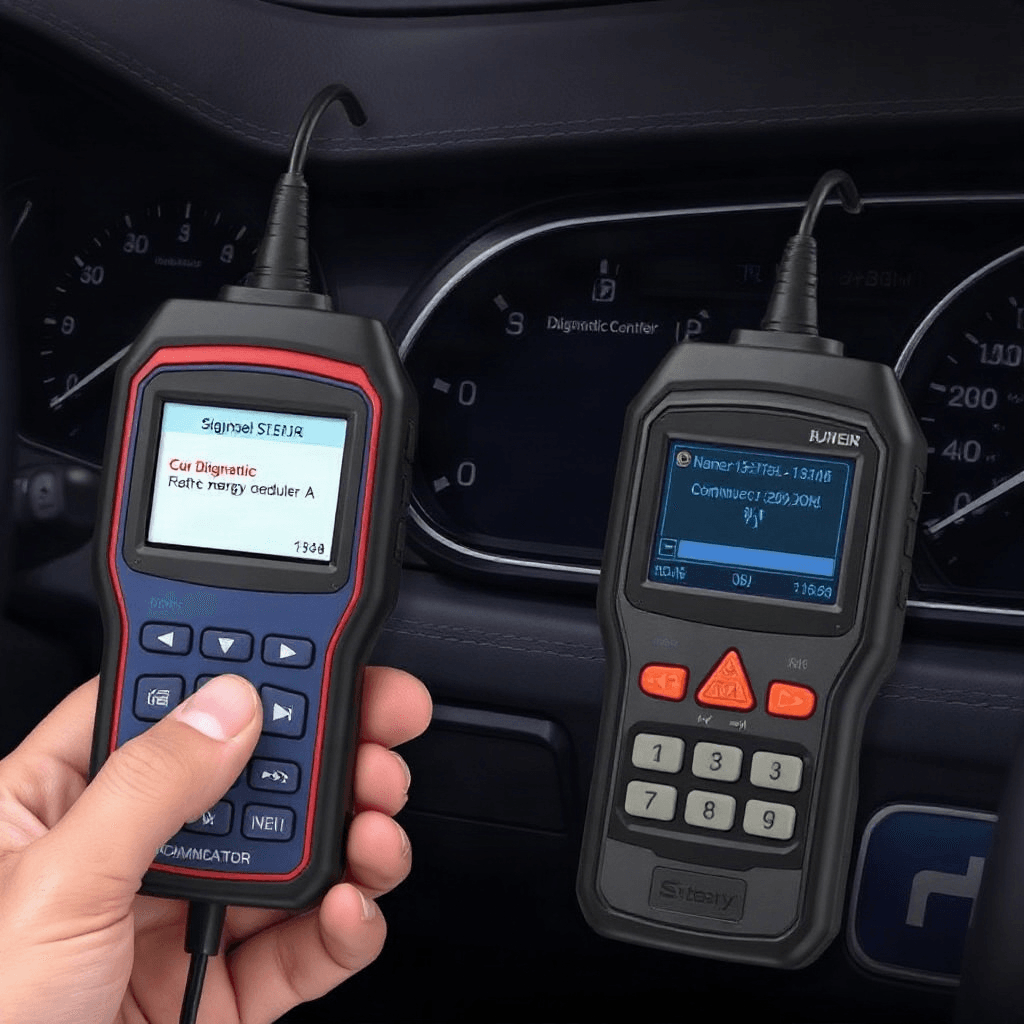
Diagnosis of the U0167 code requires a systematic approach, beginning with a thorough inspection of the vehicle’s wiring and connector integrity. Technicians must ensure that all connections to the Vehicle Immobilizer Control Module are secure and free of corrosion or damage. Additionally, the use of advanced diagnostic tools is essential to read live data from the vehicle’s network, allowing for a comprehensive analysis of communication signals between modules. In many cases, the issue may stem from a simple loose connection or a minor wiring fault. However, more complex scenarios may involve software glitches or failures within the immobilizer module itself, necessitating expert intervention.
Common Causes and Symptoms
Several factors can contribute to the emergence of the U0167 code, ranging from environmental influences to internal component failures. Common causes include poor electrical connections, damaged wiring harnesses, and software malfunctions. Symptoms of this error code manifest as the vehicle’s inability to start or irregular starting behavior, often accompanied by security warning lights on the dashboard. In some instances, drivers may experience intermittent starting issues, where the vehicle starts successfully on some occasions but fails on others. Recognizing these symptoms early can prevent further complications and aid in a swift resolution.
Resolving the U0167 Error
Addressing the U0167 code involves a combination of repairing any physical damage to wiring or connectors and ensuring the software is up to date. Technicians often begin by cleaning and securing all electrical connections associated with the immobilizer system. If no physical issues are found, a software update or reprogramming might be necessary to restore proper communication between the modules. In cases where the immobilizer module itself is deemed faulty, replacement may be the only viable solution. It is important for vehicle owners to consult with professional technicians who have the tools and expertise to address these complex issues effectively.
Preventive Measures and Best Practices
To prevent the recurrence of the U0167 code, regular maintenance of the vehicle’s electronic systems is paramount. Owners should ensure that all software updates are applied promptly and that the vehicle’s wiring and connectors are inspected during routine service visits. Additionally, keeping the vehicle in a controlled environment can help mitigate environmental factors that may contribute to electrical issues. By adopting these preventive measures, vehicle owners can minimize the risk of communication errors within the immobilizer system, thereby enhancing overall vehicle reliability and security.
The Future of Vehicle Security Systems
As automotive technology continues to evolve, so too do vehicle security systems. The integration of advanced features such as biometric recognition and enhanced encryption algorithms promises to elevate security to unprecedented levels. Future immobilizer systems might leverage machine learning to anticipate unauthorized access attempts, further safeguarding vehicles against theft. However, with increased complexity comes the potential for new challenges, including more sophisticated error codes like U0167. Staying informed about these developments and understanding their implications will be crucial for both technicians and vehicle owners as the industry progresses.