How to Diagnose an Exhaust Leak Near the Manifold Before Replacing an Oxygen Sensor
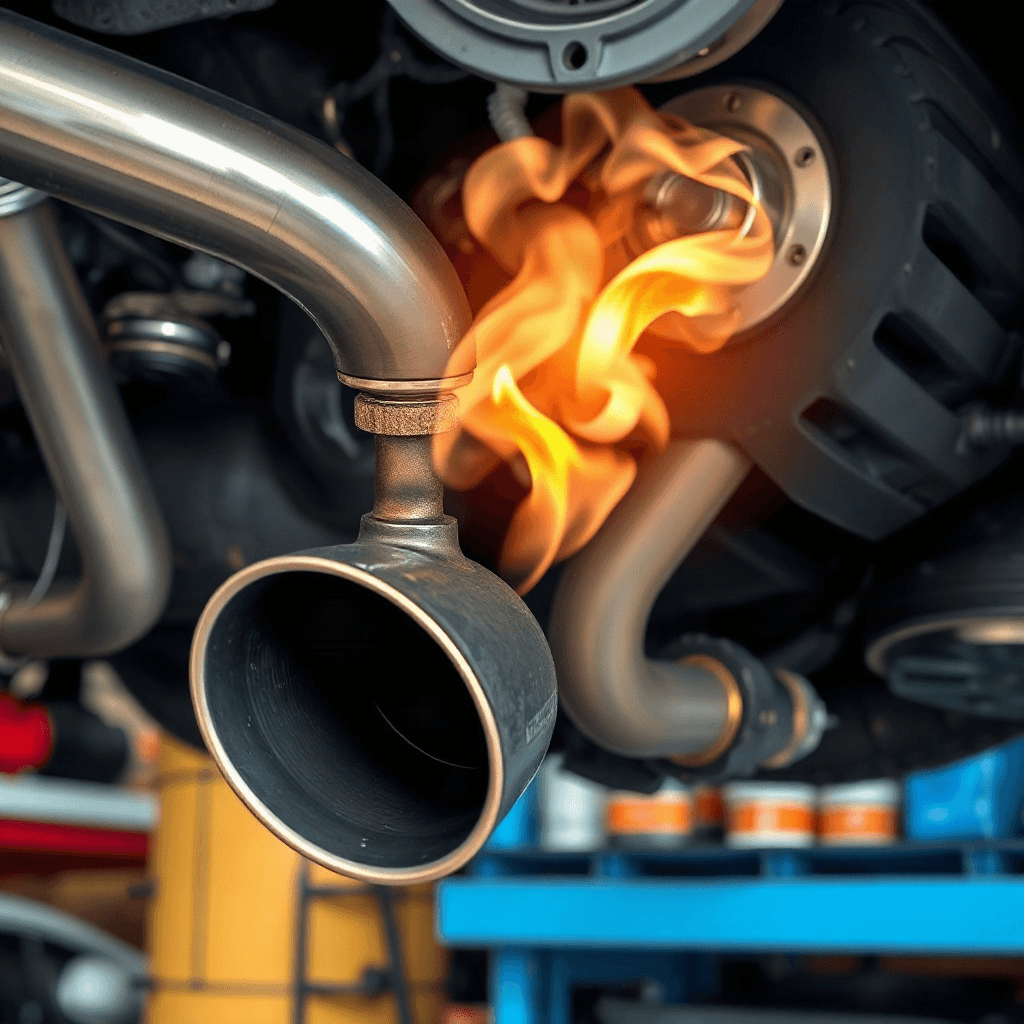
In the intricate dance between mechanics and technology, the vehicle’s exhaust system plays a pivotal role, quietly yet efficiently ensuring smooth operations. The manifold, a crucial component, collects exhaust gases from the engine’s cylinders and channels them into the exhaust pipe. However, when there is an exhaust leak near this manifold, it can lead to a cascade of issues that might unfairly implicate the oxygen sensor. Diagnosing this problem before opting to replace the oxygen sensor is not only cost-effective but essential for the vehicle’s health. Let us delve into this mechanical conundrum with the precision of a seasoned journalist, exploring the layers beneath the surface.
Understanding the Symptoms of an Exhaust Leak
One of the first steps in diagnosing an exhaust leak is to be acutely aware of the symptoms that manifest when things go awry. A driver might notice a distinct hissing or tapping noise, often more pronounced during acceleration. This sound is the exhaust gases escaping, a whisper of the internal dysfunction. Additionally, a decrease in fuel efficiency is a telltale sign, as the engine compensates for the erroneous readings from the oxygen sensor. The Check Engine light might also illuminate, as the system detects discrepancies in emissions readings. A keen observer will notice a reduction in engine power and possibly the smell of exhaust fumes inside the cabin, an unmistakable indicator that warrants immediate attention.
Examining the Role of the Manifold
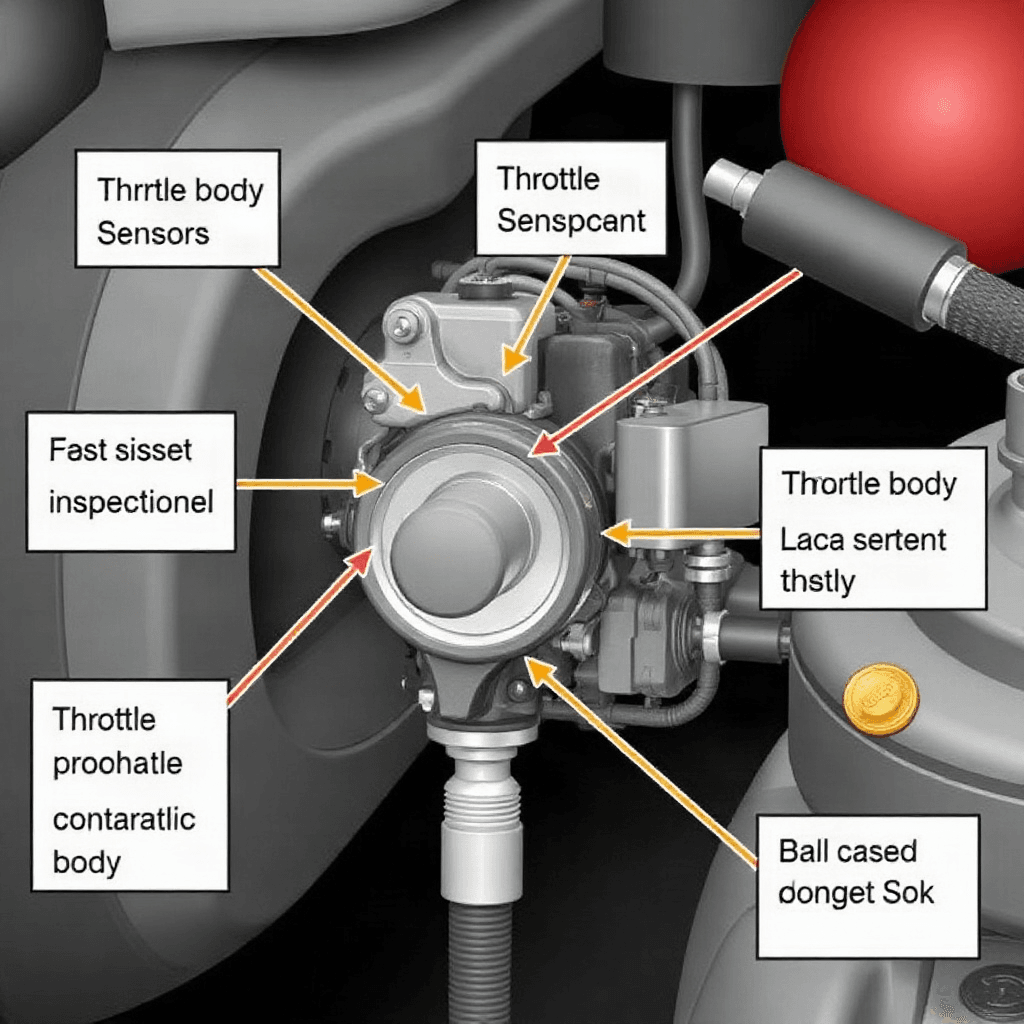
The manifold, often overshadowed by its more glamorous counterparts, is integral to the vehicle’s exhaust system. Its primary function is to collect gases from the engine and direct them to the catalytic converter. When an exhaust leak occurs near the manifold, it disrupts this harmonious flow, causing a domino effect that can lead to misfires and increased emissions. A detailed inspection of the manifold can reveal cracks or loose connections that might be the culprits. This examination should not be done hastily; a thorough inspection requires patience and a meticulous eye for detail, ensuring that no potential fault is overlooked.
Differentiating Between Exhaust Leaks and Oxygen Sensor Issues
Misdiagnosis is a common pitfall in automotive repairs, particularly between exhaust leaks and oxygen sensor failures. The oxygen sensor’s task is to monitor the oxygen levels in the exhaust gases, providing data to the engine control unit (ECU) to optimize the air-fuel mixture. An exhaust leak can mimic sensor failure symptoms, such as poor fuel economy and increased emissions. However, a sensor issue often presents with intermittent Check Engine light warnings and erratic engine performance. Distinguishing between these two requires careful analysis and sometimes, the use of diagnostic tools that can pinpoint the exact source of the problem.
Utilizing Diagnostic Tools for Accurate Assessment
In the realm of automotive diagnostics, tools such as the OBD-II scanner are invaluable. This device can read error codes from the vehicle’s ECU, providing insight into potential issues. A code related to the oxygen sensor might initially suggest a sensor replacement is necessary. Still, further investigation using a smoke test can reveal hidden exhaust leaks. By introducing smoke into the exhaust system, any escaping smoke will indicate a leak, highlighting the precise location. This method is both effective and non-invasive, allowing for accurate diagnosis without unnecessary part replacements.
Addressing the Leak Repair or Replace
Once an exhaust leak near the manifold is confirmed, the next step is deciding whether to repair or replace the affected components. Minor leaks might be resolved with high-temperature sealants or welding, providing a cost-effective solution. However, significant damage to the manifold or exhaust pipes might necessitate replacement to ensure long-term reliability. It’s crucial to weigh the costs and benefits, considering the impact on vehicle performance and emissions. Consulting with a skilled mechanic can provide guidance tailored to the specific situation, ensuring the vehicle returns to optimal condition.
The Importance of Preventive Maintenance
Preventive maintenance is the unsung hero in the battle against exhaust leaks. Regular inspections and timely repairs can prevent minor issues from escalating into costly repairs. Ensuring the manifold and related components are in good condition not only preserves the vehicle’s performance but also extends its lifespan. Moreover, understanding the symbiotic relationship between the manifold and the oxygen sensor underscores the importance of addressing exhaust leaks promptly. By maintaining vigilance and adhering to a regular maintenance schedule, one can avoid the pitfalls of misdiagnosis and unnecessary repairs, keeping the vehicle running smoothly and efficiently.