ABS Light Returns After Wheel-Speed Sensor Replacement: What to Check
When you replace a wheel-speed sensor and the ABS light returns, it’s natural to feel frustrated and concerned about the underlying issue. The ABS (Anti-lock Braking System) light serves as a critical warning indicator, alerting drivers to potential safety issues with their vehicle’s braking system. Understanding why the ABS light might reappear after replacing a wheel-speed sensor requires a systematic approach to identify and rectify the problem. This article aims to provide a comprehensive guide on what to check if you find yourself in this situation, ensuring that your vehicle remains safe and reliable on the road.
Understanding the Role of the ABS Light
The ABS light plays a crucial role in your vehicle’s braking system by providing early warnings of potential malfunctions. The Anti-lock Braking System is designed to prevent wheel lockup during braking, enhancing control and safety. When the ABS light illuminates, it indicates a fault in the system that could compromise these functions. It’s essential to understand that a persistent ABS light, even after replacing a wheel-speed sensor, could signal various issues ranging from electronic malfunctions to mechanical problems. Therefore, addressing this warning light promptly is vital for maintaining vehicle safety and performance.
Common Reasons for ABS Light Reappearance
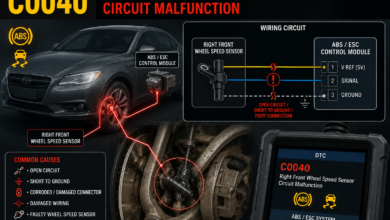
After replacing a wheel-speed sensor, if the ABS light remains on or reappears, several common issues could be at play. Firstly, the new sensor might be faulty or incorrectly installed. It’s important to ensure the sensor is properly aligned and securely connected. Additionally, there might be problems within the ABS wiring system, such as damaged or corroded connections, leading to intermittent signals. Another possibility is the presence of other unrelated faults within the ABS system, such as a malfunctioning ABS control module or hydraulic unit. Understanding these potential causes helps in accurately diagnosing the problem and planning the necessary repairs.
Diagnosing Wiring and Connector Issues
One of the first steps in addressing a returning ABS light is to inspect the wiring and connectors associated with the wheel-speed sensor. Over time, these components can suffer from wear and tear, leading to issues such as frayed wires or loose connections. Paying close attention to the condition of the wiring harness and connectors can reveal signs of damage or corrosion that might be causing poor electrical connectivity. Utilizing a multimeter to check the voltage and continuity can help identify any electrical issues that need to be addressed. Thorough inspection and testing can often resolve the problem, returning the ABS system to normal operation.
The Importance of Proper Sensor Calibration
Sometimes, the replacement of a wheel-speed sensor requires recalibration of the ABS system to ensure it functions correctly. If the ABS light persists after sensor replacement, it may be necessary to perform a calibration procedure using specialized diagnostic tools. Proper calibration ensures that the sensor provides accurate speed data to the ABS control module, allowing the system to function as intended. Failure to recalibrate can lead to persistent warning lights and compromised brake performance. Consulting with a professional mechanic or using a vehicle-specific repair manual can provide guidance on the correct calibration process for your vehicle.
Checking for Additional Fault Codes
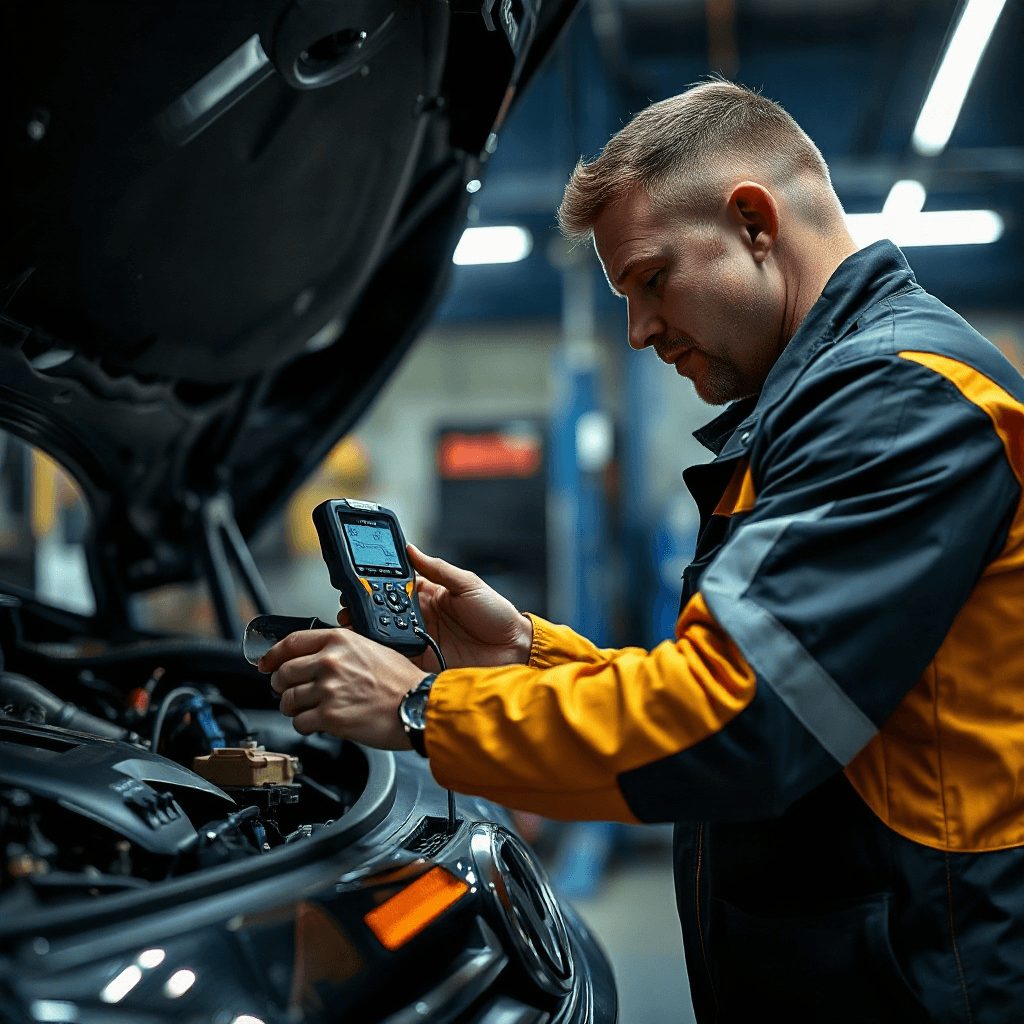
When addressing a persistent ABS light, it’s essential to scan the vehicle’s onboard diagnostic system for additional fault codes. Modern vehicles are equipped with complex computer systems that monitor various components, including the ABS. A diagnostic scan can reveal stored trouble codes that might provide further insight into the problem. These codes can identify issues with other parts of the ABS system or even highlight unrelated problems affecting the vehicle’s performance. Access to a professional-grade diagnostic tool or consultation with an experienced mechanic can facilitate this process, ensuring a comprehensive approach to resolving the issue.
Consulting Professional Automotive Assistance
If troubleshooting efforts fail to resolve the returning ABS light issue, seeking professional automotive assistance is advisable. Experienced mechanics possess the expertise and tools necessary to diagnose and repair complex ABS problems. They can perform advanced diagnostics, including checking the ABS control module and hydraulic unit, to identify underlying issues that might not be immediately apparent. Professional intervention ensures that repairs are conducted to industry standards, maintaining the safety and reliability of your vehicle. Additionally, professional advice can provide peace of mind, knowing that your vehicle’s braking system is in optimal condition.