Power Mirror Won’t Move: Electrical Troubleshooting Guide
The convenience of power mirrors in modern vehicles is undeniable. However, when they stop functioning, it can be a source of frustration and compromise your driving safety. Understanding the intricacies of your vehicle’s electrical system and how it impacts the operation of power mirrors is crucial for effective troubleshooting. In this article, we aim to guide you through the process of diagnosing and resolving issues with power mirrors that refuse to move. Our expert insights, paired with technical understanding, will empower you to address the problem efficiently.
Understanding the Power Mirror System
The power mirror system in your vehicle is an essential component, designed to enhance your driving experience by allowing you to adjust the mirrors without manual intervention. This system typically involves a series of electrical components including a switch, a motor, and wiring that connects the entire setup. Understanding how these components interact is fundamental to identifying the root cause of any malfunction. The switch sends electrical signals to the motor, which then adjusts the mirror’s position. A malfunction in any part of this system can lead to the mirror becoming unresponsive. It is crucial to have a basic understanding of this setup to effectively diagnose and solve the problem.
Diagnosing Electrical Issues
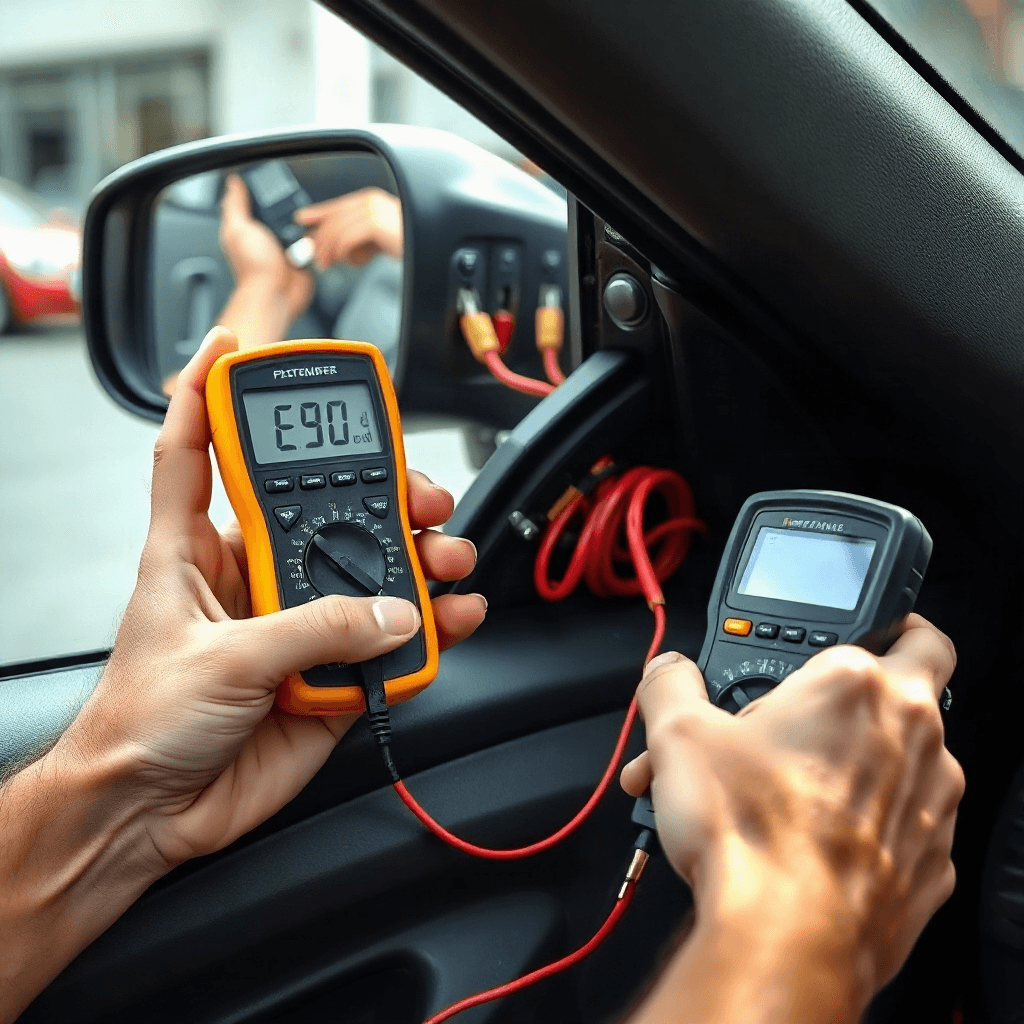
Electrical issues are often the primary reason behind a power mirror’s refusal to move. The first step in diagnosing the problem is to check the power mirror fuse. A blown fuse is a common culprit and can be easily replaced if you have the right tools and replacement part. If the fuse is intact, the next component to examine is the switch itself. Over time, switches can wear out or become faulty, interrupting the signal to the mirror’s motor. Testing the switch with a multimeter can help determine if it is functioning correctly. Lastly, inspect the wiring for any signs of damage, such as frayed or exposed wires, which could cause electrical short-circuits.
Evaluating the Mirror Motor
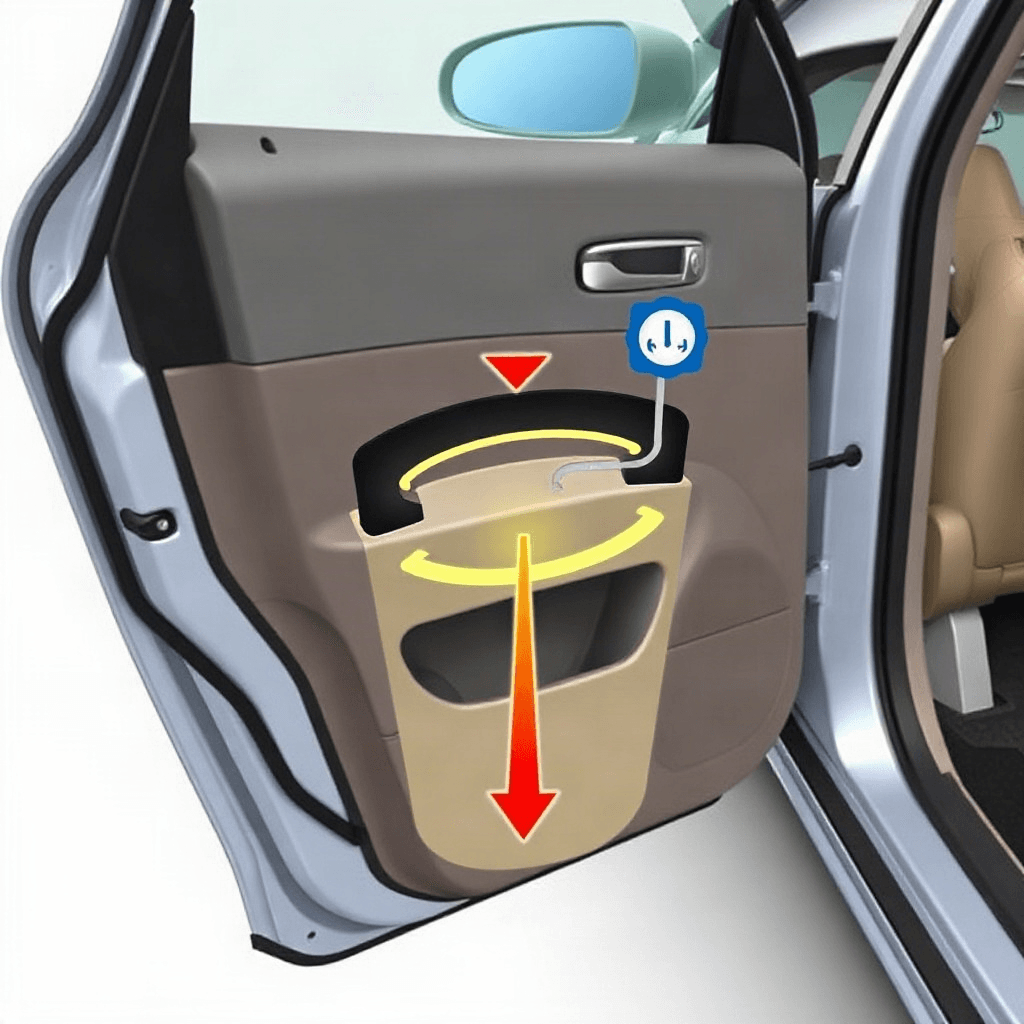
If the electrical components appear to be in working order, the issue may lie within the mirror motor itself. The motor is responsible for the physical movement of the mirror and, like any mechanical part, it can wear out over time. To test the motor, you will need to access it through the mirror housing, which may require removing parts of the door panel. Once exposed, you can test the motor by applying direct power to it. If the motor does not respond, it may need to be replaced. Replacing a mirror motor can be a delicate process, so it might be worth consulting a professional if you are unsure.
Addressing Wiring and Connectivity Problems
The wiring that connects the power mirror system is crucial for seamless operation. Any disruption in this wiring can lead to a loss of function. Begin by tracing the wiring from the switch to the motor, looking for any signs of wear or disconnection. Corrosion or loose connections can also impede the flow of electricity. Tightening connections and applying dielectric grease can prevent future issues. If the wiring appears intact but the mirror is still unresponsive, consider using a continuity tester to ensure there are no breaks or faults in the circuit. Such issues can often be resolved by replacing or repairing the damaged section of wiring.
Considering External Factors
Sometimes, the issue with an unresponsive power mirror may not be internal but rather due to external factors. Accumulated dirt, debris, or ice can physically obstruct the mirror’s movement. In colder climates, ensure that the mirror is free from ice and snow before attempting to adjust it. Regularly cleaning the mirror and its housing can prevent such issues from occurring. Additionally, impact damage from minor accidents can misalign the mirror or damage the internal components, requiring more extensive repairs. Regular maintenance and inspection can help mitigate the risk of these external factors affecting the mirror’s operation.
When to Seek Professional Help
While many power mirror issues can be resolved with a bit of patience and technical know-how, there are times when professional intervention is necessary. If you have exhausted all troubleshooting steps and the mirror remains unresponsive, it may be time to consult a professional. Complex issues such as extensive electrical faults or significant motor damage may require specialized tools and expertise. A professional automotive technician can provide a thorough diagnostic and perform repairs that ensure the longevity and reliability of your power mirror system. Remember, timely intervention can prevent minor issues from escalating into costly repairs.