How to Read Wheel-Speed Sensor Live Data Before Replacing Parts
Reading live data from a wheel-speed sensor is an essential skill for anyone looking to diagnose and repair vehicle issues effectively. Before jumping to conclusions and replacing parts, understanding the live data from these sensors can save time and resources. This practice not only aids in identifying the core problem but also ensures that unnecessary replacements are avoided, thus optimizing repair costs and vehicle performance. In the following sections, we’ll explore the intricacies of reading wheel-speed sensor data, its importance, and how it can be utilized in everyday car maintenance.
Understanding Wheel-Speed Sensors
A wheel-speed sensor is a critical component of a vehicle’s anti-lock braking system (ABS) and traction control system. It provides real-time data about the rotational speed of each wheel, which is crucial for maintaining vehicle stability and safety. By monitoring the wheel speeds, the vehicle’s computer can detect any discrepancies that might indicate issues such as tire slippage or uneven wear. Understanding how these sensors function can help in diagnosing potential problems accurately. They work by generating a signal in response to the wheel’s rotation, which is then interpreted by the vehicle’s electronic control unit (ECU). This data plays a vital role in ensuring optimal vehicle performance and safety.
Importance of Live Data Analysis
Analyzing live data from wheel-speed sensors can be invaluable for automotive diagnostics. This information allows technicians to detect irregularities that may not be apparent during a standard visual inspection. By examining the live data, one can diagnose issues such as sensor faults, wiring problems, or mechanical failures. Live data analysis offers a real-time view of a vehicle’s condition, making it easier to pinpoint the exact cause of a problem. This not only aids in efficient troubleshooting but also minimizes downtime and repair costs. For car owners, this means a more reliable vehicle and fewer unexpected breakdowns.
Tools Required for Reading Live Data
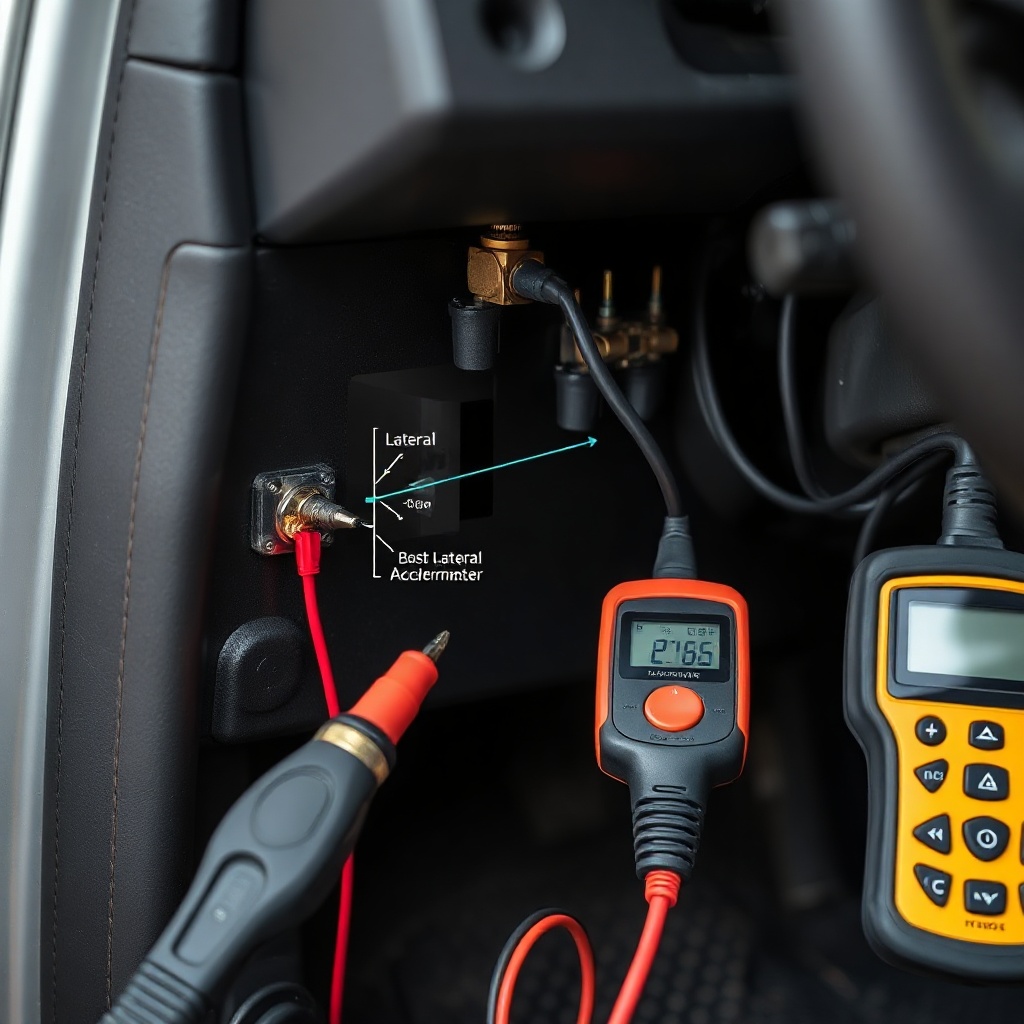
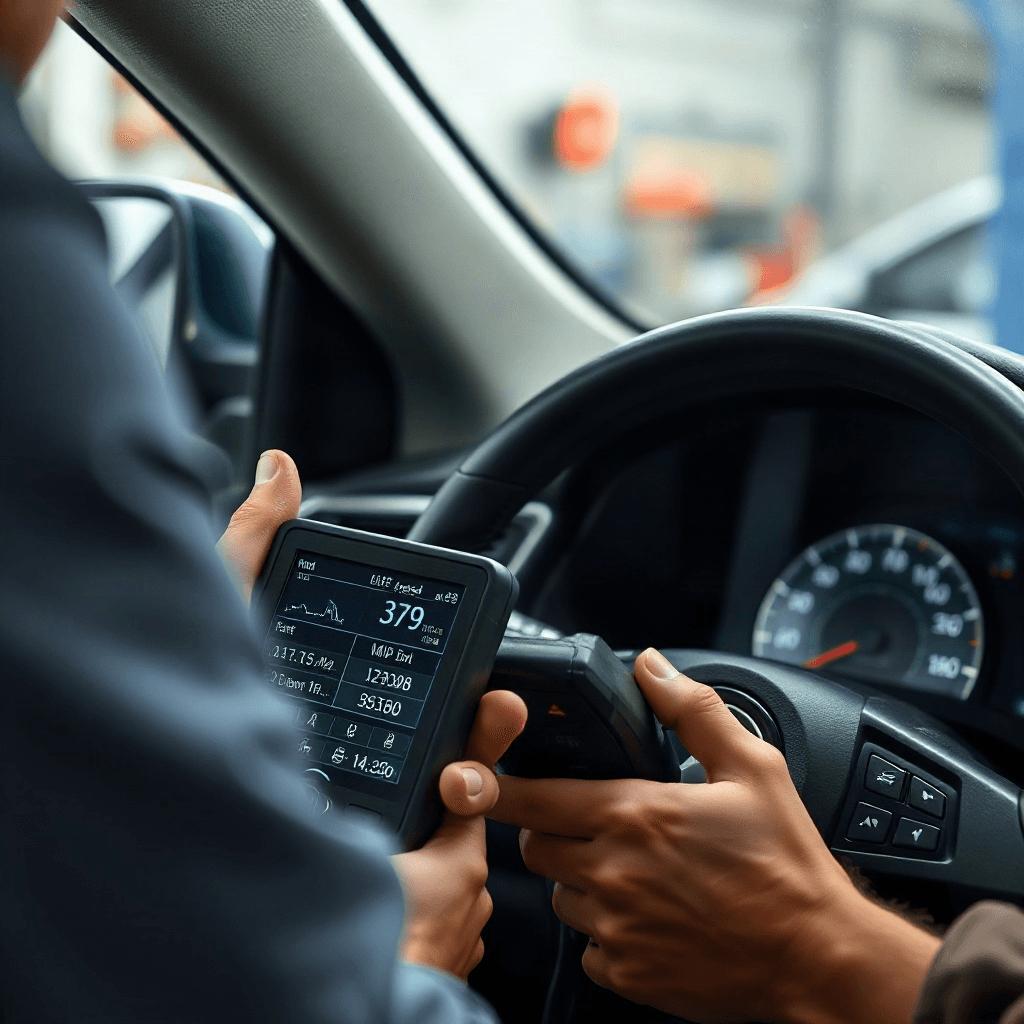
To read wheel-speed sensor data effectively, certain tools are necessary. The most commonly used tool is an OBD-II scanner, which plugs into a vehicle’s diagnostic port and retrieves data from the sensors. Some advanced scanners are capable of displaying live data, allowing users to observe sensor readings while the vehicle is in operation. Additionally, some modern vehicles come equipped with built-in systems that provide live data access through the dashboard. These tools are essential for anyone looking to perform in-depth diagnostics and are a worthwhile investment for both professional mechanics and car enthusiasts.
Step-by-Step Guide to Accessing Data
Accessing live data from wheel-speed sensors involves a few straightforward steps. First, ensure that the vehicle is parked on a flat surface and the ignition is turned off. Connect the OBD-II scanner to the vehicle’s diagnostic port, typically located under the dashboard. Once connected, turn on the ignition and navigate the scanner’s menu to the live data section. Select the wheel-speed sensor data, and observe the readings as the vehicle is driven at a low speed. This data can reveal patterns or anomalies that may indicate underlying issues. Interpreting this information accurately is crucial for diagnosing and resolving sensor-related problems.
Common Issues Detected Through Live Data
Several common issues can be identified through the analysis of wheel-speed sensor live data. These include erratic or inconsistent readings, which may suggest a faulty sensor or wiring issue. Additionally, a complete absence of data from one or more sensors could indicate a disconnection or a more severe malfunction. By examining the live data, technicians can also detect problems with the vehicle’s braking system, such as a faulty ABS module or a malfunctioning ECU. Addressing these issues promptly can prevent further damage and ensure the vehicle’s safety and reliability.
Benefits of Preemptive Diagnostics
Performing preemptive diagnostics using live data from wheel-speed sensors offers numerous benefits. It allows for early detection of potential problems, reducing the risk of costly repairs and enhancing vehicle longevity. By identifying and resolving issues before they escalate, car owners can enjoy a smoother driving experience and greater peace of mind. This proactive approach to vehicle maintenance also contributes to better fuel efficiency and improved overall performance. Ultimately, mastering the art of reading live sensor data empowers car owners and mechanics alike to keep vehicles running safely and efficiently.