How to Diagnose Low Engine Vacuum with a Gauge
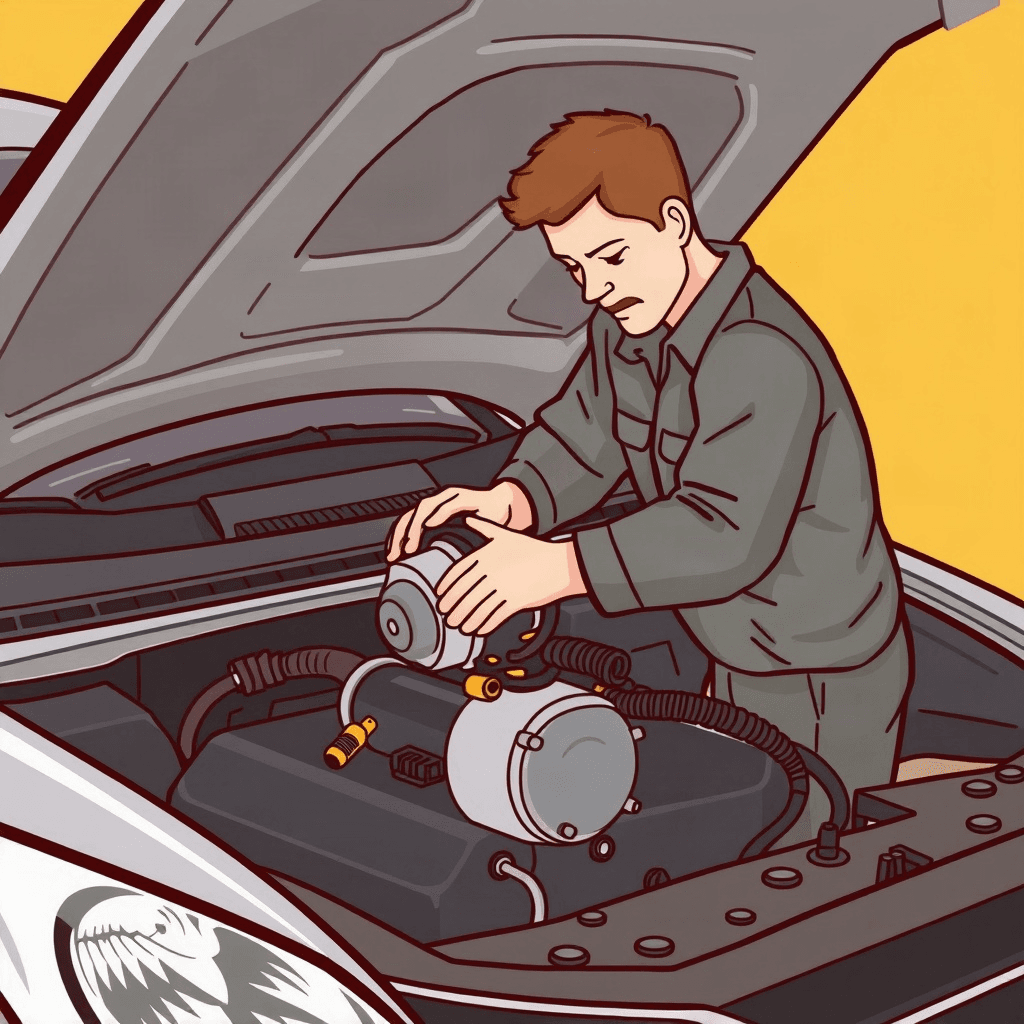
Diagnosing engine issues can often be intimidating, especially for those without extensive mechanical knowledge. However, understanding how to diagnose low engine vacuum with a gauge is a task that can be accomplished with some basic guidance. Engine vacuum is a key indicator of an engine’s health, and a vacuum gauge is a simple yet effective tool to help identify potential problems. By following these steps, they can ensure their engine is running smoothly and efficiently.
Understanding Engine Vacuum
Engine vacuum refers to the pressure difference created in the engine’s intake manifold as it operates. This vacuum is crucial for various engine components, such as the fuel pressure regulator and the brake booster. A normal engine vacuum reading typically ranges between 17 to 22 inches of mercury (Hg). If the vacuum is too low, it may indicate issues like air leaks, exhaust restrictions, or even internal engine problems. To accurately diagnose these issues, they need to understand what the readings signify and how changes in vacuum levels correspond to different engine problems.
Setting Up the Gauge
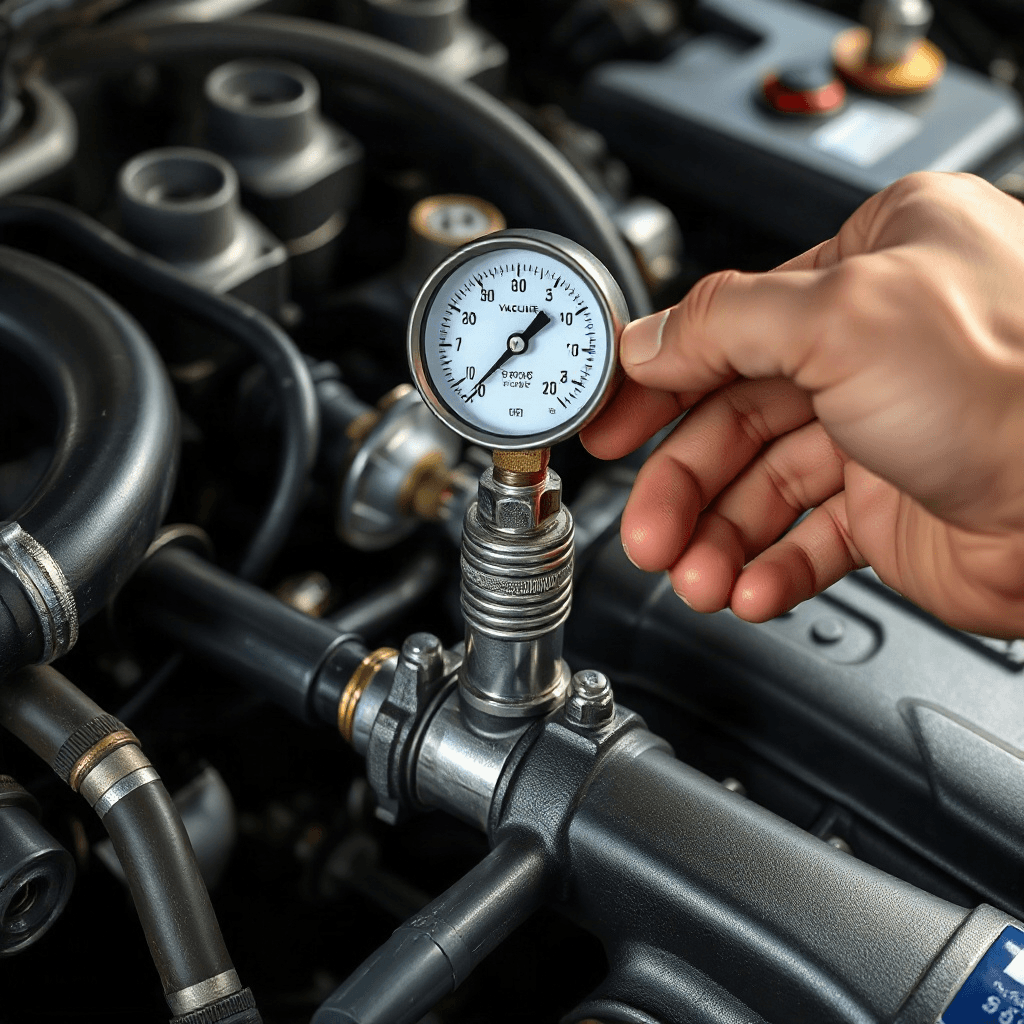
Before they can diagnose any issues, they need to properly set up their vacuum gauge. First, they should ensure the engine is off and cool to prevent any accidents. They then need to locate the vacuum port on the intake manifold, which is typically found near the throttle body or carburetor. By connecting the vacuum gauge to this port, they will be able to monitor real-time changes in vacuum levels. After connecting the gauge, they should start the engine and let it idle, ensuring the gauge is displaying stable readings before proceeding to analyze the data.
Interpreting the Readings
Interpreting the vacuum gauge readings is crucial for an accurate diagnosis. At idle, a steady reading within the normal range suggests that the engine is functioning properly. If the needle fluctuates or shows low readings, it may indicate specific problems. For instance, a fluctuating needle could point to a leaking intake manifold or a malfunctioning valve. A consistently low reading might suggest issues like an exhaust restriction or retarded ignition timing. They should pay close attention to these readings, as they provide valuable insight into the underlying health of the engine.
Identifying Common Problems
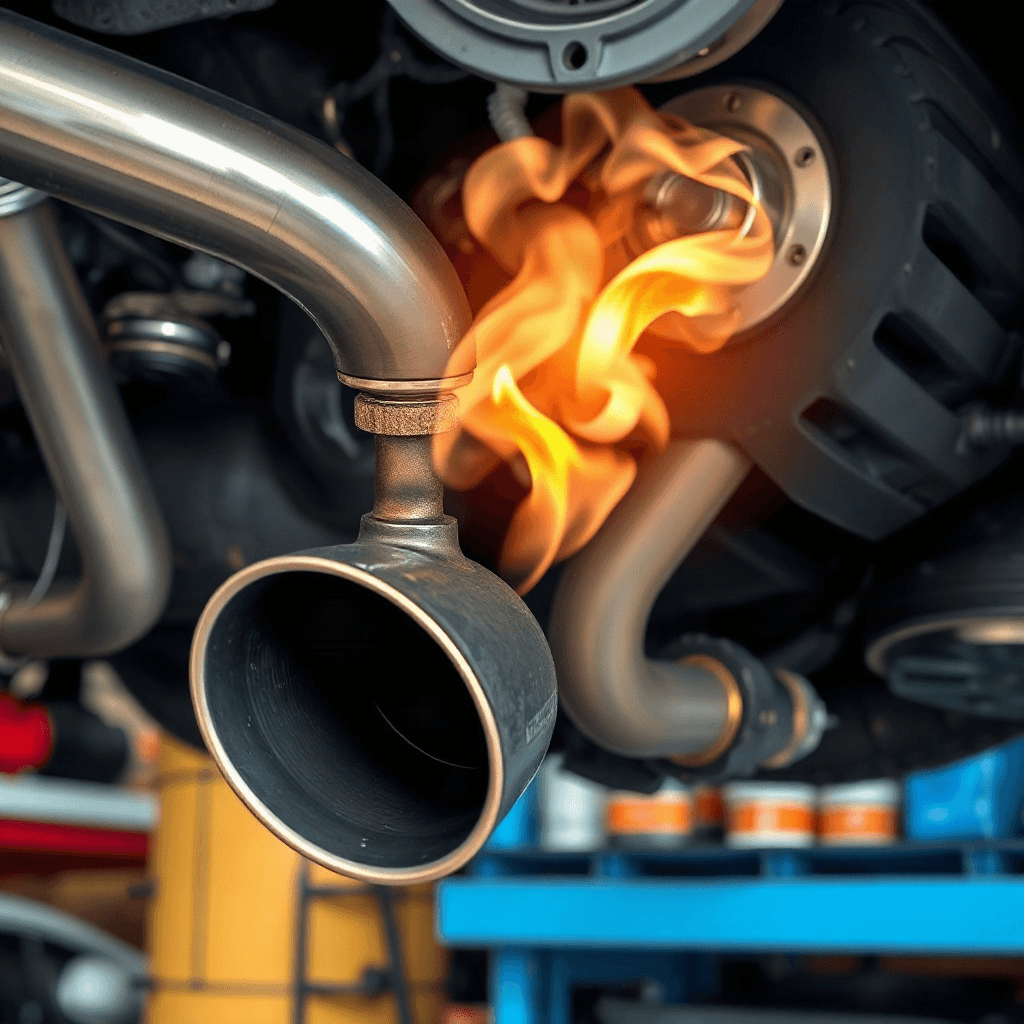
Once they have collected and interpreted the readings, they can begin identifying common problems associated with low engine vacuum. Air leaks, often caused by damaged hoses or gaskets, are a frequent culprit. These can be identified by listening for hissing sounds or using a smoke test. Exhaust restrictions, another potential issue, may be diagnosed by observing a low but steady vacuum reading. More complex problems, like worn piston rings or improper valve timing, may require further investigation or professional assistance. However, understanding these common issues will help them narrow down the possible causes and take appropriate action.
Taking Corrective Actions
After diagnosing the root cause of the low engine vacuum, they need to take corrective actions to resolve the issue. For simple problems like air leaks, replacing damaged hoses or gaskets may be sufficient. In cases of exhaust restrictions, they might need to inspect the exhaust system for blockages or damage. More complicated issues, such as internal engine problems, may require professional mechanic intervention. By promptly addressing the identified problems, they can prevent further damage to the engine and ensure its optimal performance.
Maintaining Engine Health
Regular maintenance and monitoring are key to maintaining engine health and preventing future vacuum-related issues. They should routinely inspect vacuum hoses and connections for wear and tear, replacing them as needed. Additionally, keeping the engine well-tuned and addressing any performance issues early can prevent more severe problems from developing. By staying vigilant and proactive, they can ensure their engine remains in good condition and operates efficiently for years to come. For more tips on engine maintenance, they can refer to related guides or consult with automotive professionals.