Ford P2196: Diagnosing a Rich-Biased Upstream O2-Sensor Signal
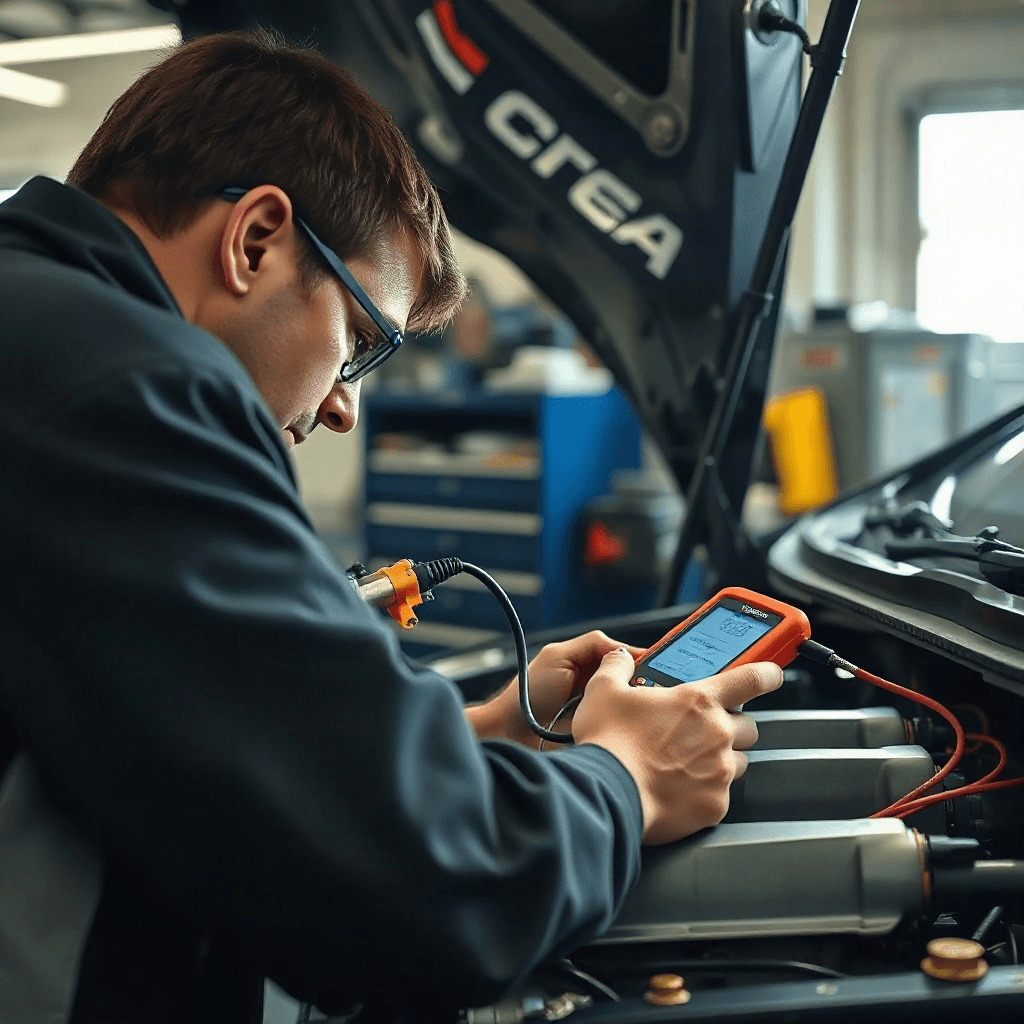
Diagnosing issues related to vehicle performance can be complex, especially when it comes to interpreting diagnostic trouble codes (DTCs) like Ford P2196. This particular code indicates a “rich-biased upstream O2-sensor signal,” which suggests that the oxygen sensor is detecting too much fuel in the mixture. Understanding the implications of this sensor signal, and how it affects vehicle performance, requires technical expertise and systematic investigation. In this article, we delve into the various aspects of diagnosing and addressing this issue, providing a comprehensive guide for automotive professionals and enthusiasts alike.
Understanding the Ford P2196 Code
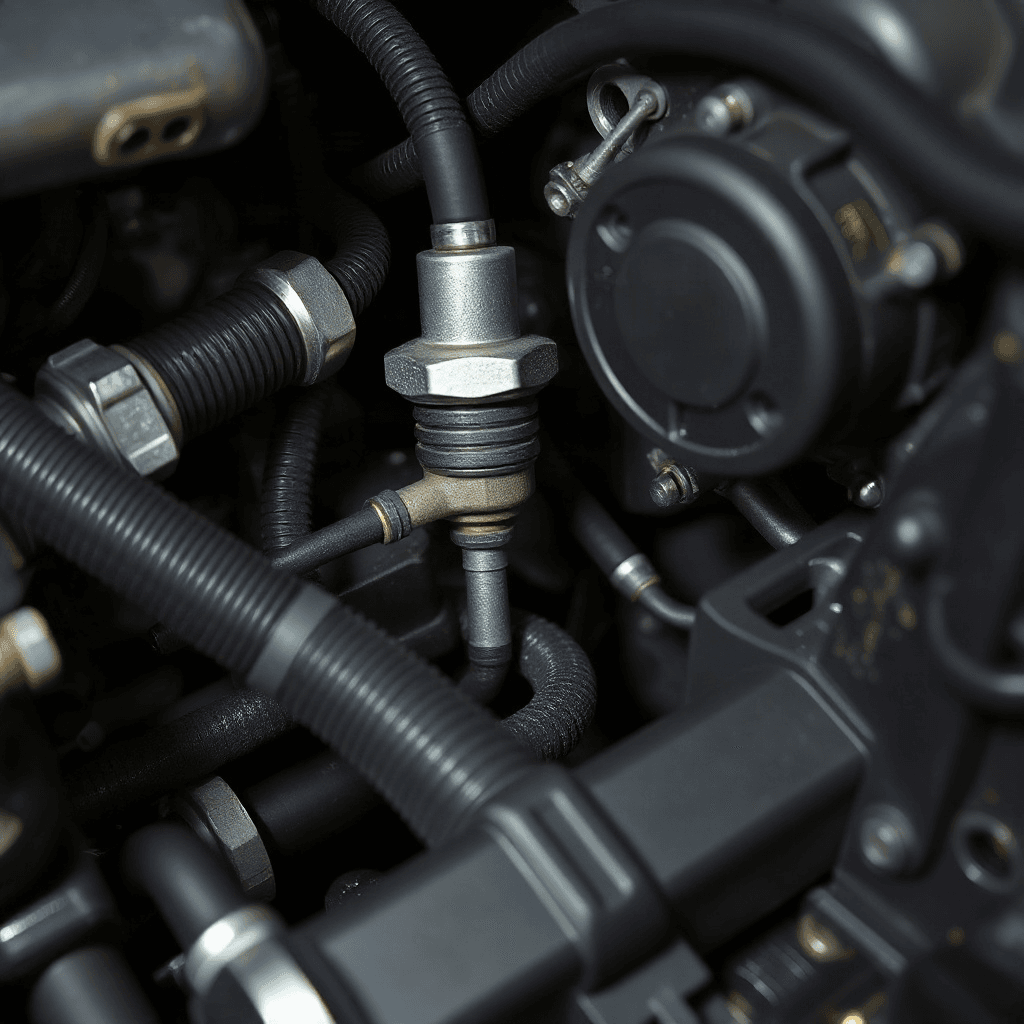
The Ford P2196 trouble code is significant because it implicates the upstream oxygen sensor located before the catalytic converter, which measures the amount of oxygen in the exhaust gases. When this sensor detects a consistently high level of fuel—that is, a “rich” mixture—it triggers the P2196 code. This condition can lead to increased fuel consumption, higher emissions, and potential damage to other engine components if left unaddressed. It’s crucial to first understand the role of the oxygen sensor in maintaining optimal air-fuel mixture, as it provides critical feedback to the engine control module (ECM) for adjusting fuel injection accordingly.
Possible Causes of a Rich-Biased Signal
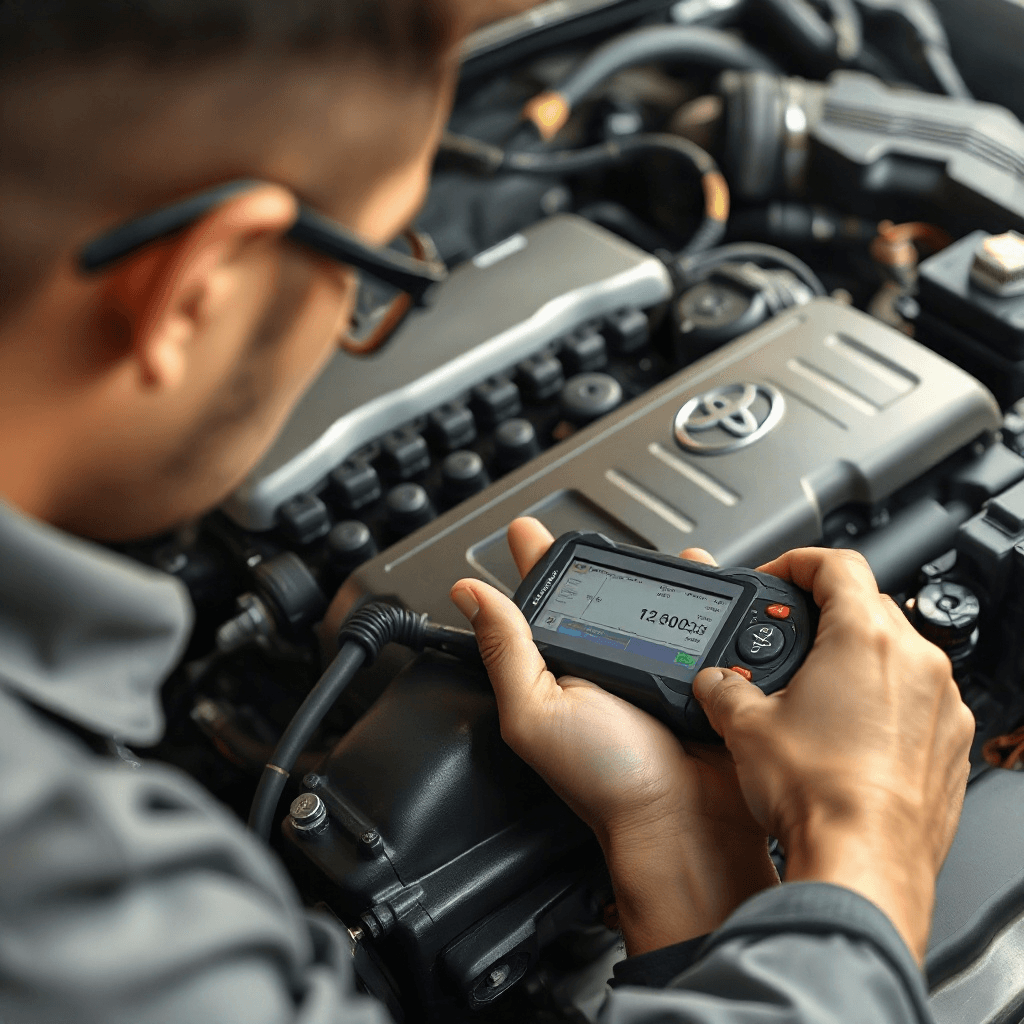
Identifying why a rich-biased signal occurs is the next step in diagnosing the issue. Various factors can contribute to this condition, including a malfunctioning fuel injector, a faulty mass airflow sensor, or even a clogged air filter. Additionally, vacuum leaks or a defective fuel pressure regulator might also result in an uneven air-fuel mixture. It’s essential for mechanics to evaluate each possible cause systematically, as overlooking any potential source can lead to incomplete repairs and persistent performance issues. This diagnostic process often involves using specialized tools such as a scan tool for real-time data monitoring and a multimeter for electrical testing.
Implications on Vehicle Performance
A persistent P2196 code can have several adverse effects on vehicle performance. The engine might run roughly or stall, and there could be noticeable decreases in power and efficiency. The increased fuel consumption not only affects the vehicle owner’s expenses but also contributes to environmental pollution due to higher emissions. Additionally, a rich air-fuel mixture can cause the catalytic converter to overheat, potentially leading to costly repairs. Understanding these implications highlights the importance of addressing the P2196 code promptly to maintain vehicle integrity and performance.
Step-by-Step Diagnostic Procedure
A systematic approach to diagnosing the P2196 code can ensure accurate identification of the underlying issue. Begin with a thorough visual inspection of the oxygen sensor and the related wiring for any signs of damage or wear. Next, use a scan tool to observe live data from the sensor and verify whether the signal is indeed biased. It’s also advisable to check for other related codes that might provide additional context. Following this, test the fuel injectors and other components involved in the air-fuel mixture regulation. Replace or repair any defective parts as needed, ensuring that the root cause is effectively addressed.
Repair and Replacement Options
Once the source of the rich-biased signal is identified, implementing the appropriate repair or replacement is critical. This might involve cleaning or replacing a clogged air filter, repairing vacuum leaks, or replacing a faulty oxygen sensor. In some cases, recalibrating the ECM or updating its software may also be necessary to resolve the issue. It’s important to use high-quality replacement parts and follow manufacturer specifications to ensure long-term reliability and performance. After repairs, clear the trouble codes and conduct a test drive to confirm that the issue is resolved and the vehicle is operating correctly.
Preventive Measures and Maintenance Tips
To prevent the recurrence of the P2196 code, regular maintenance and inspections are advisable. Ensure that components such as air filters, fuel injectors, and sensors are in good condition and replace them as per the manufacturer’s schedule. Regular diagnostic checks can also help identify potential issues before they escalate into major problems. Keeping up with these maintenance practices not only extends the life of the vehicle but also ensures optimal performance and efficiency. Additionally, staying informed about potential recalls or service bulletins related to the vehicle model can provide valuable insights and preventive strategies.