P0107 Code: MAP Sensor Circuit Low Input
In the realm of automotive diagnostics, understanding the nuances of error codes is crucial for maintaining optimal vehicle performance. One such code, P0107, often perplexes drivers and technicians alike. This code indicates a “MAP Sensor Circuit Low Input,” highlighting an issue with the manifold absolute pressure sensor, a critical component in the engine’s function. As someone deeply entrenched in automotive technology, I find it imperative to delve into what this code means, its implications on vehicle performance, and how one might address it. The MAP sensor plays a pivotal role in measuring the pressure within the intake manifold and relaying this information to the engine control unit (ECU). The ECU then uses this data to adjust fuel delivery and ignition timing, ensuring efficient engine operation.
Understanding the MAP Sensor
The manifold absolute pressure (MAP) sensor is an essential component in modern vehicles, tasked with providing the engine control unit (ECU) with vital information about the air pressure within the intake manifold. This data is crucial for calculating the optimal air-to-fuel ratio needed for efficient combustion. When the P0107 code is triggered, it indicates that the sensor is sending a voltage signal to the ECU that is below the expected range. Such an anomaly can lead to several performance issues, including poor acceleration, rough idling, and increased fuel consumption. Understanding the MAP sensor’s function is the first step toward diagnosing and resolving the P0107 code effectively.
Symptoms of P0107 Code
When the P0107 code is set, drivers may notice several symptoms that indicate a problem with their vehicle’s performance. One of the most common signs is a noticeable decrease in engine power, as the incorrect MAP sensor readings can lead to improper fuel delivery and ignition timing. Additionally, the vehicle might exhibit symptoms such as rough idling, stalling, or hesitation during acceleration. The check engine light is also likely to illuminate, serving as an immediate alert to the issue. These symptoms not only affect the driving experience but can also lead to long-term damage if left unaddressed, making it essential to investigate and remedy the situation promptly.
Causes of MAP Sensor Circuit Low Input
Several factors can contribute to the occurrence of the P0107 code. A common cause is a faulty MAP sensor itself, which may be due to internal damage or wear over time. Wiring issues, such as corroded connectors or damaged wires, can also lead to low voltage signals reaching the ECU. Additionally, vacuum leaks within the intake manifold can disrupt the pressure readings, triggering the error code. Environmental factors, such as extreme temperatures or the presence of contaminants, may further exacerbate these issues. Therefore, a comprehensive diagnostic approach is crucial to identify the root cause and implement an effective solution.
Diagnostic Procedures
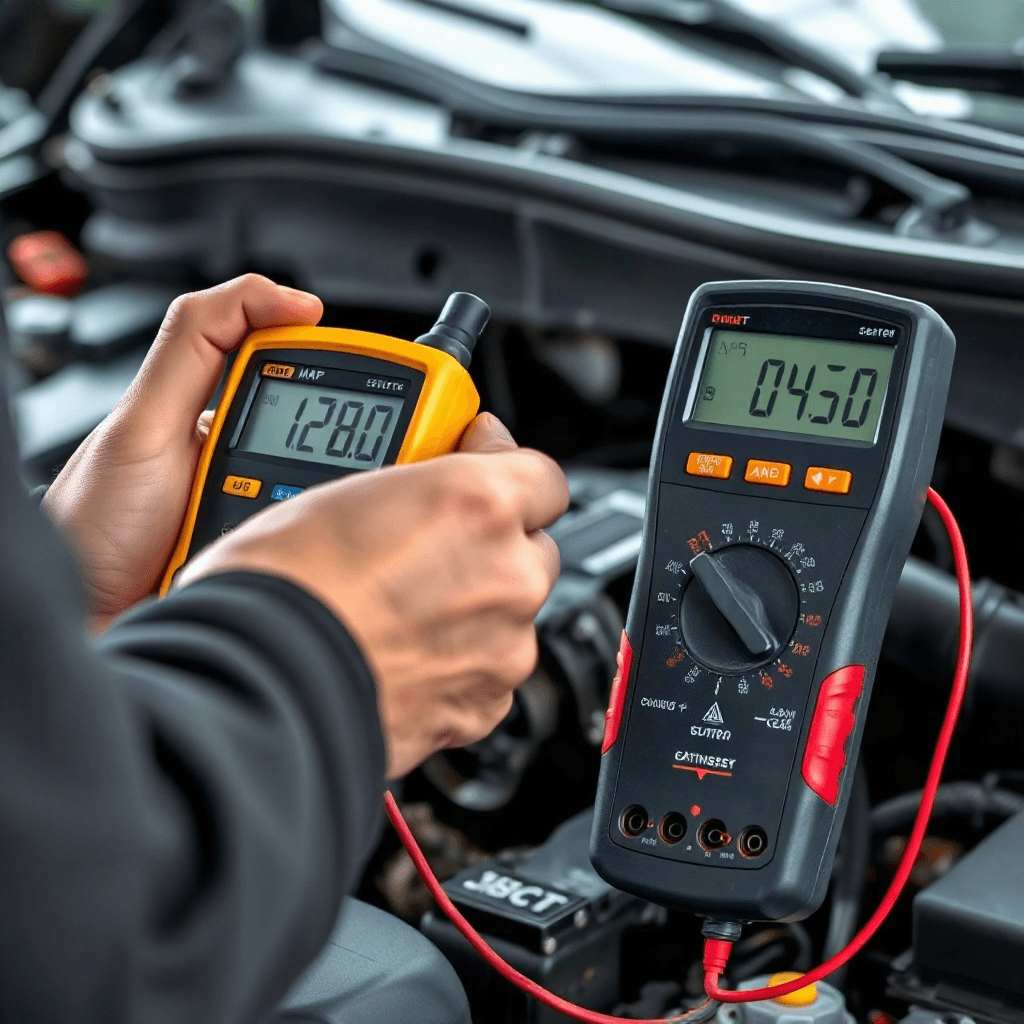
Diagnosing the P0107 code requires a systematic approach to pinpoint the exact source of the problem. Initially, a technician should perform a visual inspection of the MAP sensor, its wiring, and connectors to check for any obvious signs of damage or corrosion. Utilizing a digital multimeter, one can measure the voltage output from the sensor to ensure it falls within the specified range. If the sensor and wiring appear intact, further investigation into potential vacuum leaks in the intake manifold may be necessary. A smoke test or a vacuum gauge can effectively identify any leaks that could be affecting the sensor’s performance. By following these diagnostic procedures, one can accurately determine the cause of the P0107 code and take the appropriate corrective action.
Repair and Resolution
Once the source of the P0107 code has been identified, appropriate repair measures can be undertaken. If the MAP sensor itself is found to be faulty, replacing it with a new, high-quality component is the most effective solution. In cases where wiring or connector issues are to blame, repairing or replacing the damaged parts can restore the proper electrical connection. Addressing vacuum leaks requires sealing any identified gaps within the intake manifold, ensuring the MAP sensor receives accurate pressure readings. Following repairs, clearing the code and conducting a test drive can confirm that the issue has been resolved, restoring optimal engine performance.
Preventive Measures and Maintenance
Preventing the recurrence of the P0107 code involves regular maintenance and inspection of the vehicle’s engine components. Periodically checking the integrity of the MAP sensor, its wiring, and connectors can help identify potential issues before they escalate into more significant problems. Additionally, ensuring the intake manifold is free from leaks and contaminants can maintain accurate sensor readings. By adhering to a routine maintenance schedule, drivers can mitigate the risk of encountering the P0107 code, thus preserving the longevity and efficiency of their vehicle’s engine.