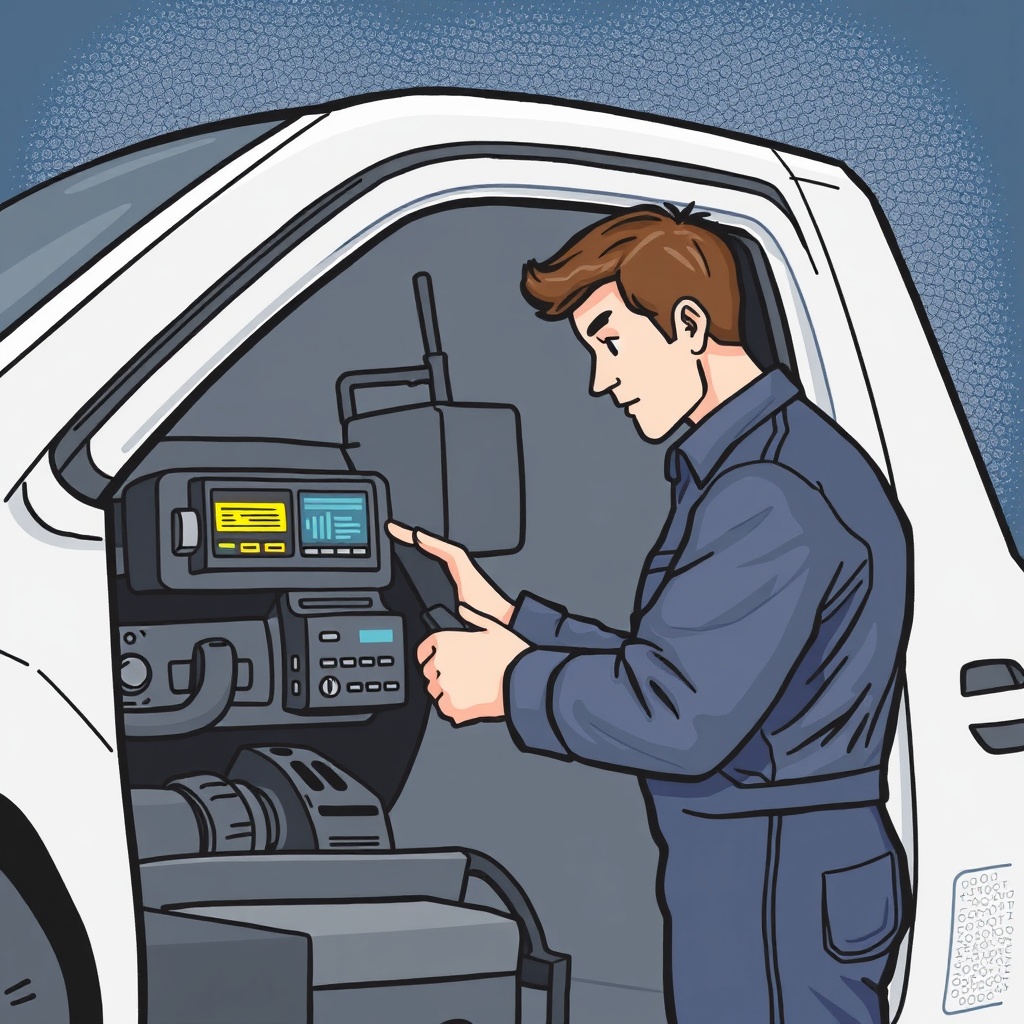
U0401 Code: Invalid Data Received From ECM/PCM A

In the intricate world of automotive electronics, Error Code U0401 stands as a peculiar enigma that baffles many. It signals an ‘Invalid Data Received From ECM/PCM A,’ a message that can send shivers down the spine of any car enthusiast or professional technician. This code, often accompanied by a Check Engine Light, indicates a communication breakdown between the Engine Control Module (ECM) and the Powertrain Control Module (PCM). The intricacy of modern vehicles, where computers govern nearly every aspect of operation, makes such an error a significant concern. Understanding and resolving this code requires not only technical expertise but also a nuanced appreciation of the vehicle’s electronic ecosystem. As we embark on this exploration, we’ll unravel the mystery behind U0401, examining its causes, implications, and solutions.
Understanding the ECM and PCM Relationship
The ECM and PCM are pivotal components in modern vehicles, serving as the brain and nervous system of the car, respectively. The ECM focuses primarily on the engine’s performance, managing fuel injection, ignition timing, and other critical parameters. The PCM, on the other hand, oversees broader powertrain operations, encompassing both engine and transmission functionalities. These modules must communicate seamlessly to ensure optimal vehicle performance. When U0401 appears, it indicates a disruption in this crucial communication link. This breakdown can result from various issues, such as software glitches, wiring problems, or sensor malfunctions. The complexity of these systems necessitates a thorough diagnostic approach, often involving specialized equipment and expert knowledge to pinpoint and rectify the underlying issue.
Symptoms and Initial Diagnosis
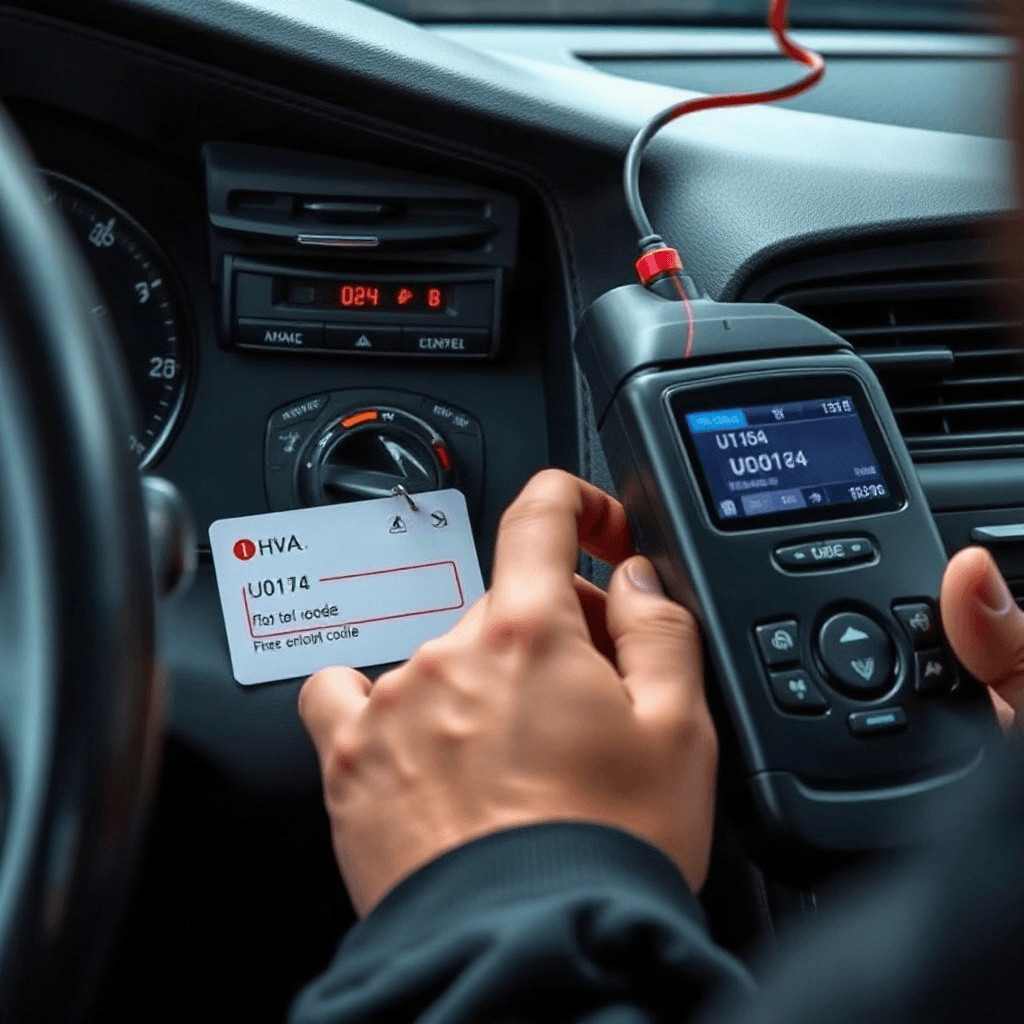
When U0401 is triggered, the symptoms can vary widely, making diagnosis challenging. Common indicators include erratic engine behavior, reduced fuel efficiency, and unexpected stalling. The Check Engine Light is a universal signal that something is amiss, but its presence alone provides little guidance. A systematic approach is required to diagnose the problem accurately. Technicians often begin with a comprehensive scan of the vehicle’s onboard diagnostics, using advanced tools to retrieve and analyze error codes. This process involves scrutinizing data streams, assessing the integrity of wiring and connectors, and testing the functionality of related sensors. The goal is to identify whether the issue stems from software corruption, hardware failure, or a combination of factors.
Potential Causes of U0401
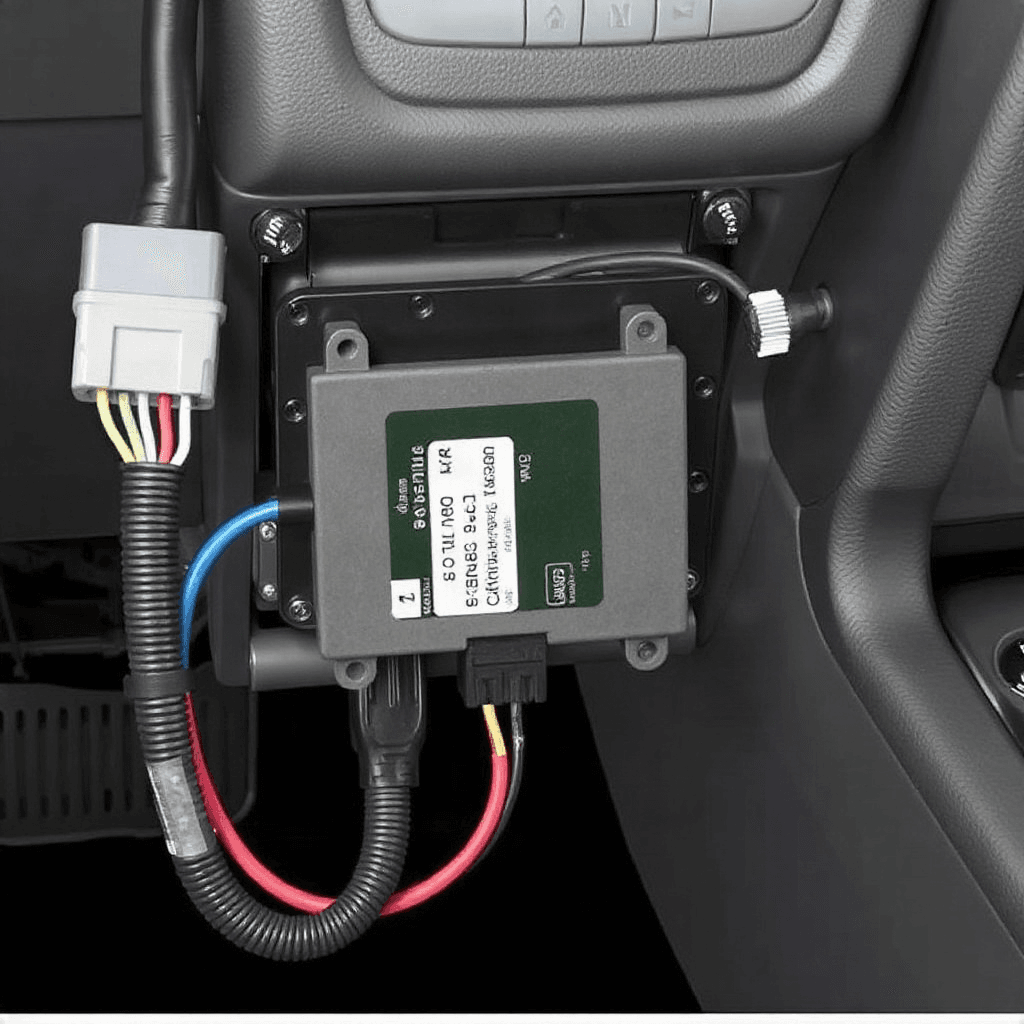
The causes of U0401 are as diverse as they are complex. Software issues are a common culprit, particularly following updates or when the vehicle’s modules fail to sync correctly. In such cases, reprogramming or updating the ECM/PCM software may resolve the issue. Wiring problems, such as frayed cables or loose connections, can also disrupt communication between modules. Physical damage to sensors or the control modules themselves may lead to data transmission errors. Environmental factors, including extreme temperatures or moisture exposure, can exacerbate these issues. Ultimately, identifying the specific cause requires a meticulous examination of the vehicle’s electronic architecture, often demanding the expertise of seasoned professionals.
Repair and Resolution Strategies
Addressing U0401 involves a multi-faceted approach that combines technical acumen with practical problem-solving. If software faults are identified, reprogramming the ECM/PCM is often the first step. This process typically requires manufacturer-specific software tools and a secure connection to the vehicle’s diagnostic port. For wiring issues, technicians must inspect and repair any damaged cables or connectors, ensuring a robust communication pathway between modules. In cases where hardware components have failed, replacing sensors or control units may be necessary. Preventive measures, such as regular software updates and routine inspections of the vehicle’s electronic systems, can help mitigate the risk of recurrence.
The Role of Advanced Diagnostic Tools
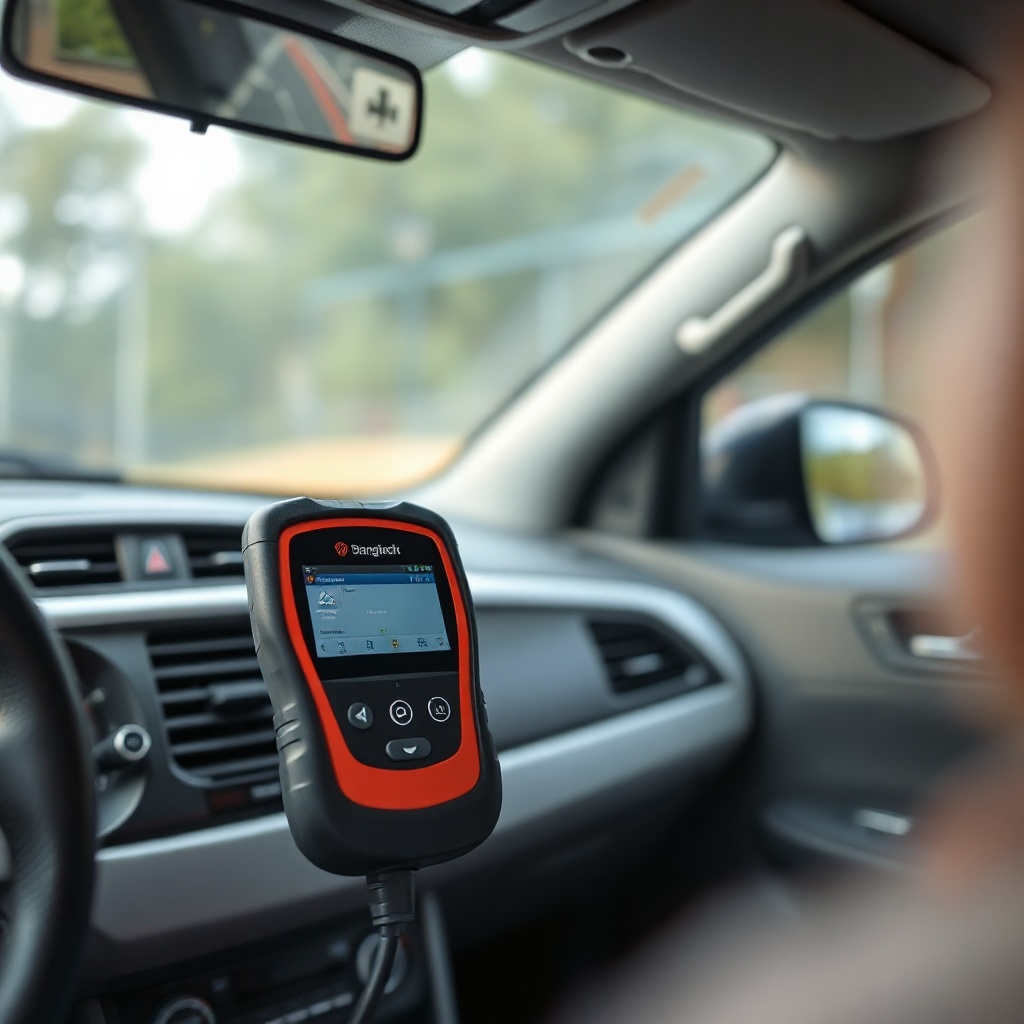
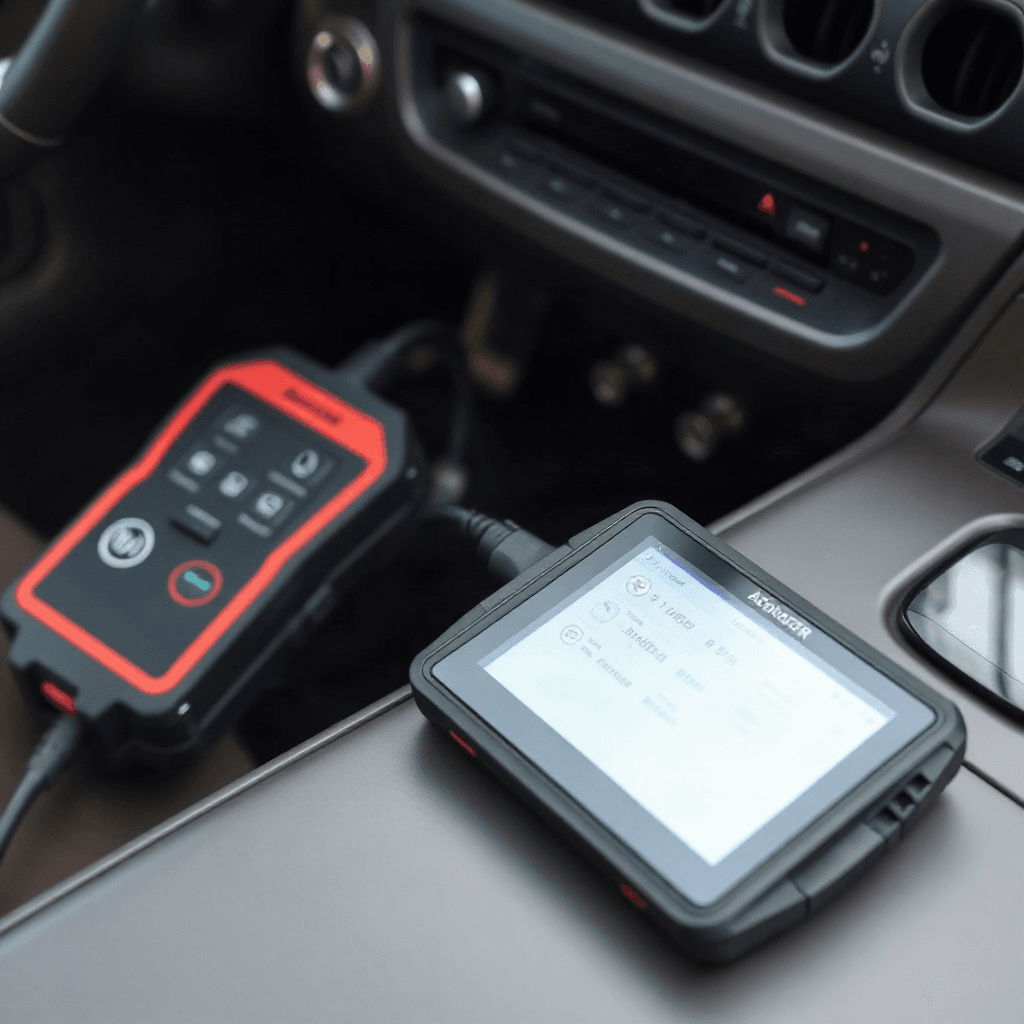
Advanced diagnostic tools play a crucial role in resolving U0401. These sophisticated devices allow technicians to interface directly with the vehicle’s electronic systems, accessing real-time data and performing comprehensive tests. Through these tools, technicians can simulate various operating conditions, monitor communication between modules, and isolate faults with precision. The ability to update and reprogram module software remotely further enhances diagnostic capabilities. As automotive technology continues to evolve, these tools become increasingly indispensable, enabling technicians to stay ahead of complex electronic challenges and deliver effective solutions.
The Future of Automotive Diagnostics
The landscape of automotive diagnostics is rapidly evolving, driven by advancements in technology and an increasing reliance on electronic systems. The challenges posed by errors like U0401 underscore the need for continuous innovation and adaptation in diagnostic techniques. As vehicles become more interconnected and autonomous, the complexity of their electronic systems will only grow. This evolution demands a new breed of technicians, equipped with cutting-edge tools and a deep understanding of digital systems. Looking ahead, the integration of artificial intelligence and machine learning into diagnostic processes promises to revolutionize the field, offering unprecedented levels of accuracy and efficiency. As we embrace this future, the lessons learned from tackling U0401 will serve as a foundation for navigating the intricacies of tomorrow’s automotive landscape.