Car Will Not Start in Cold Weather: Battery, Fuel, and Sensor Checks
As a professional content editor and experienced journalist, I will create the following article.
Introduction
Cold weather can be tough on your car, especially when it comes to starting it in the morning. There are several reasons why your car may not start in cold weather, ranging from battery issues to fuel problems and sensor malfunctions. In this article, I will guide you through the essential checks you can perform to diagnose the issue and get your car up and running in no time.
Battery Check
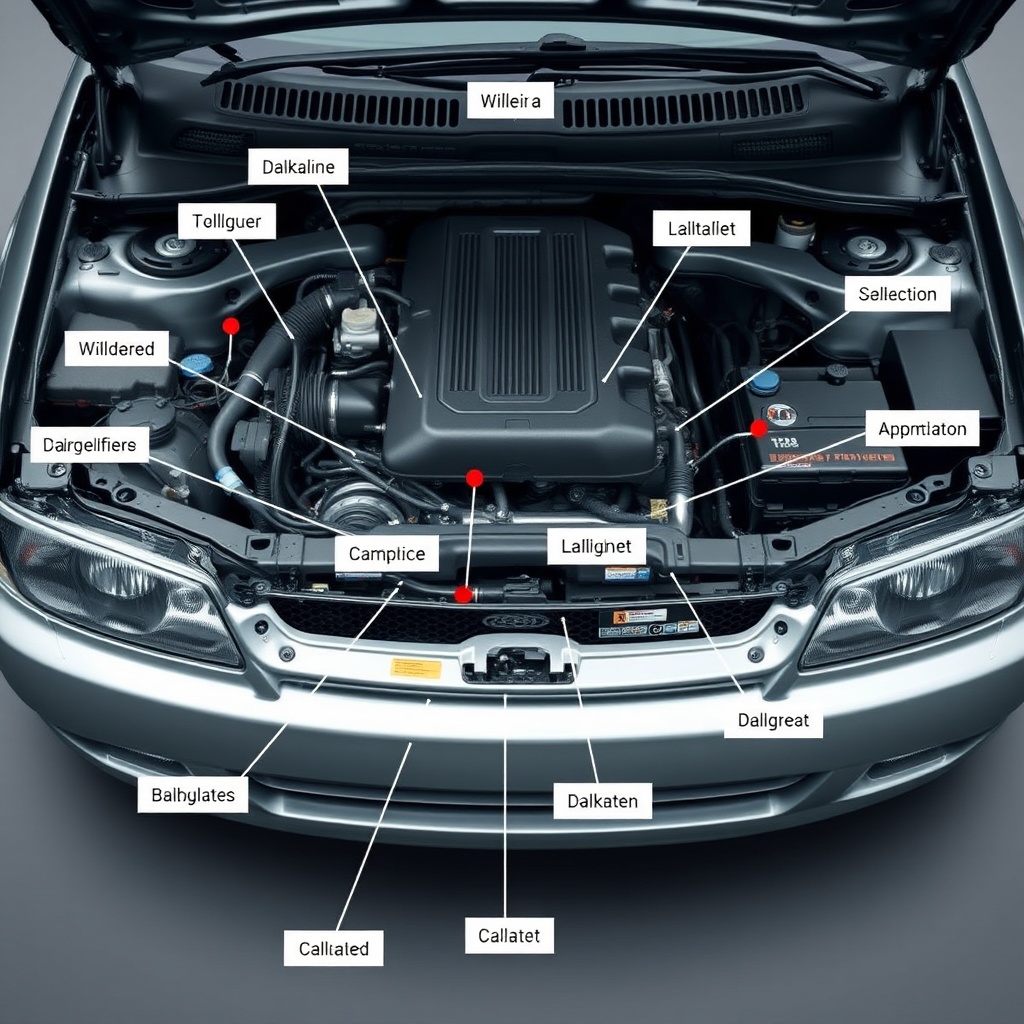
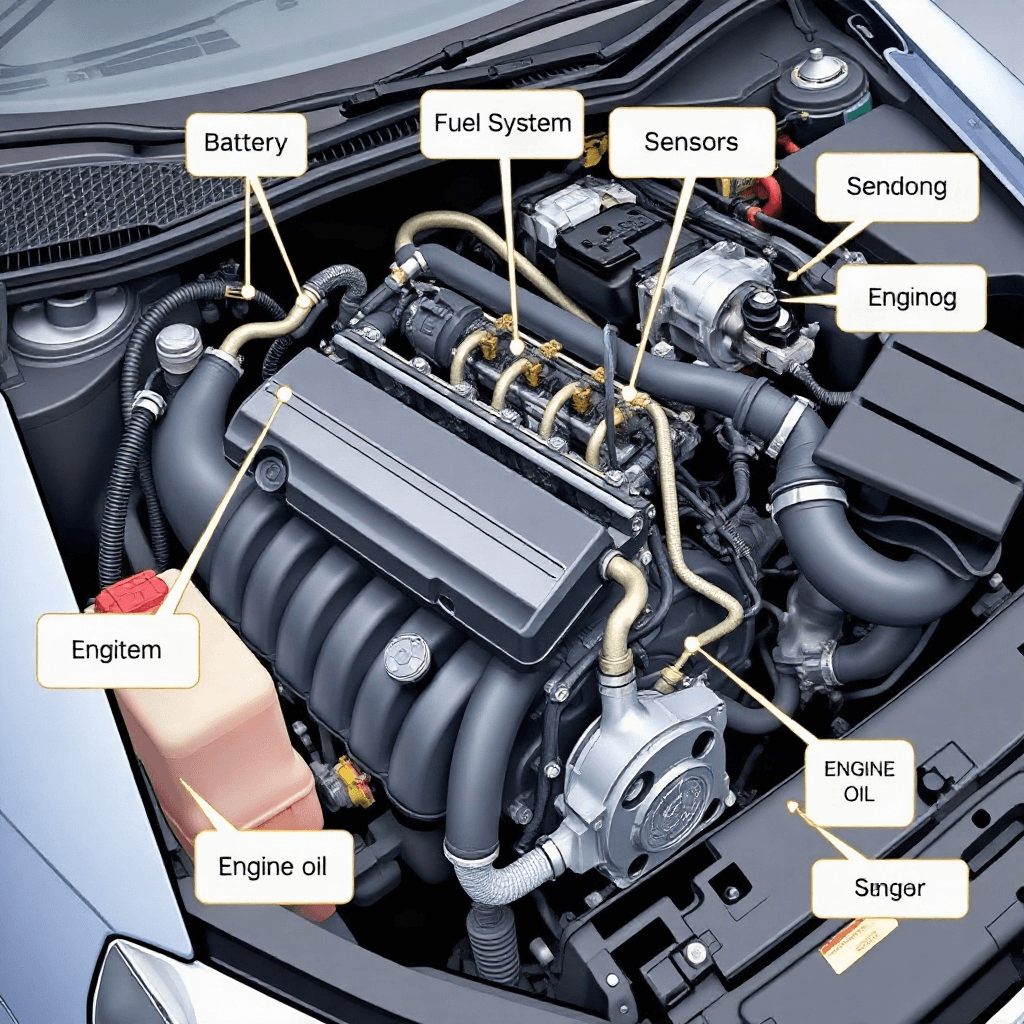
The most common reason for a car not starting in cold weather is a weak or dead battery. The cold temperatures can cause the chemical reactions inside the battery to slow down, reducing its ability to provide the necessary power to start the engine. To check if your battery is the culprit, start by inspecting the terminals for any corrosion or loose connections. You can also use a multimeter to test the voltage of the battery and ensure it is within the recommended range.
Fuel System Inspection
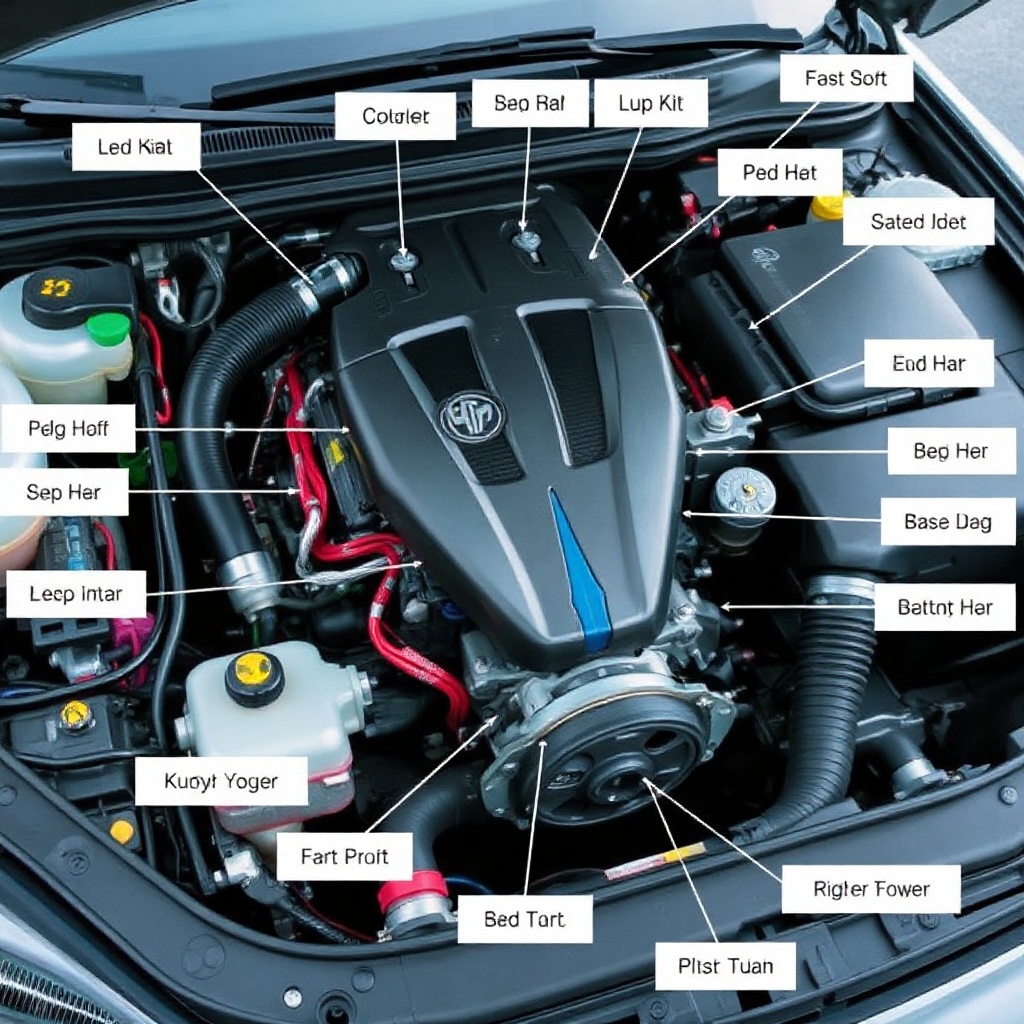
Another potential issue that can prevent your car from starting in cold weather is a problem with the fuel system. Cold temperatures can cause fuel lines to freeze or fuel to gel up, making it difficult for the engine to receive the necessary fuel to start. To diagnose this issue, check the fuel lines for any signs of freezing or blockage. You can also try adding a fuel additive to prevent gelling and improve fuel flow during cold weather.
Sensor Checks
Modern cars are equipped with various sensors that help regulate engine performance and ensure optimal functioning. In cold weather, these sensors can sometimes malfunction, leading to starting issues. Check the sensors related to the engine control unit, such as the mass airflow sensor or the crankshaft position sensor, for any signs of damage or malfunction. Cleaning or replacing these sensors may help resolve the starting problem.
Ignition System Assessment
The ignition system is responsible for generating the spark needed to ignite the fuel in the engine cylinders. In cold weather, components such as the spark plugs or ignition coils can fail to function properly, leading to starting issues. Inspect the spark plugs for signs of wear or damage, and test the ignition coils for proper functioning. Replacing faulty components in the ignition system can often solve the starting problem.
Engine Oil Check
Engine oil plays a crucial role in lubricating engine components and ensuring smooth operation. In cold weather, the viscosity of the engine oil can increase, making it difficult for the engine to turn over and start. Check the oil level and quality to ensure it is suitable for cold weather conditions. Consider using a lower viscosity oil or a synthetic blend designed for cold weather to improve engine performance during startup.
Conclusion
In conclusion, a car not starting in cold weather can be a frustrating experience, but by performing the necessary checks and maintenance, you can diagnose and resolve the issue effectively. By inspecting the battery, fuel system, sensors, ignition system, and engine oil, you can identify the root cause of the starting problem and take the appropriate steps to get your car back on the road. Remember to stay proactive with your car maintenance to prevent starting issues in the future.