Engine Misfires Under Load: Ignition, Fuel, and Compression Clues

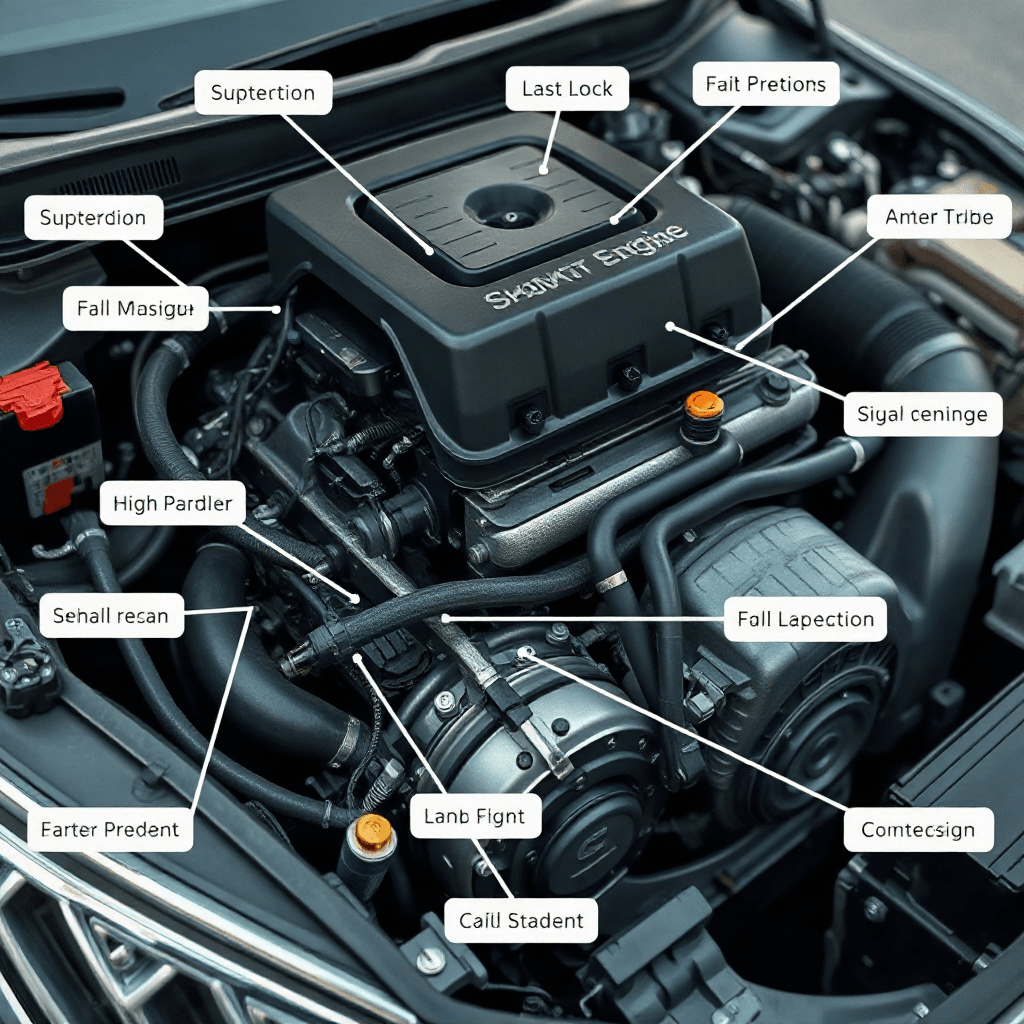
Engine misfires under load can be a perplexing issue for both amateur and professional mechanics alike. These misfires, characterized by a rough idle or a noticeable loss of power, often stem from three primary areas: ignition, fuel, and compression. Understanding the nuances of each component is crucial for a successful diagnosis and repair. This article delves into the telltale signs and potential causes associated with engine misfires under load, providing a comprehensive guide to identifying and addressing the issue effectively.
Ignition System and Its Role in Misfires
The ignition system is often the first suspect when dealing with engine misfires under load. This system, responsible for igniting the air-fuel mixture in the engine’s cylinders, must function flawlessly to ensure smooth operation. A misfire may occur if any part of the ignition system—spark plugs, ignition coils, or the distributor—fails. Spark plugs, for instance, can become fouled or worn, leading to weak sparks that struggle to ignite the mixture. Ignition coils can deteriorate over time, resulting in insufficient voltage reaching the plugs. Additionally, issues with the distributor, such as a failing rotor or cap, can disrupt the ignition timing, causing misfires. Mechanics should thoroughly inspect these components for wear and tear as a first step in diagnosing the problem.
Fuel System Complications and Misfire Symptoms
Misfires can also originate from fuel system complications. The fuel system’s primary role is to deliver the correct amount of fuel to the engine, and any disruption in this process can lead to performance issues. Clogged fuel injectors are a common culprit; when injectors are blocked, they cannot spray the correct fuel volume, resulting in lean or rich mixtures that cause misfires. Similarly, a failing fuel pump may not provide adequate pressure, leading to insufficient fuel supply under load conditions. Regular maintenance, including fuel filter replacements and injector cleanings, can prevent these issues. Diagnosing fuel system-related misfires requires a careful examination of fuel pressure and injector function.
The Impact of Compression Issues on Engine Performance
Compression issues are another significant source of engine misfires under load. Proper compression is vital for engine efficiency, as it ensures the air-fuel mixture is adequately compressed before ignition. Low compression in a cylinder can be due to worn piston rings, damaged cylinder walls, or a faulty head gasket. These issues prevent the cylinder from maintaining the necessary pressure, resulting in misfires and reduced performance. Diagnosing compression problems typically involves a compression test, which measures the pressure in each cylinder. Mechanics should be vigilant in checking for signs of oil leaks or coolant in the oil, indicating potential head gasket failures.
Advanced Diagnostic Techniques for Misfire Detection
Diagnosing engine misfires under load requires a combination of traditional methods and advanced diagnostic techniques. Utilizing an OBD-II scanner can provide valuable insights by revealing trouble codes that point to specific issues within the engine. These codes can help identify misfire locations and potential causes, such as faulty sensors or electronic control unit (ECU) malfunctions. Additionally, tools like oscilloscopes can be used to analyze ignition waveforms, revealing irregularities in spark generation. By combining these advanced tools with traditional mechanical inspections, technicians can pinpoint misfire causes more accurately and efficiently.
Preventive Measures to Avoid Future Misfires
Preventing engine misfires under load involves regular maintenance and timely component replacements. Ensuring that spark plugs and ignition coils are replaced according to manufacturer recommendations can prevent ignition-related issues. Similarly, maintaining clean fuel injectors and replacing fuel filters as needed can avert fuel system complications. Regular compression tests can help detect early signs of mechanical wear, allowing for proactive repairs. By adhering to these preventive measures, vehicle owners can reduce the likelihood of misfires and ensure their engines remain in optimal condition.
Importance of Professional Diagnosis and Repair
While some engine misfire issues can be addressed by knowledgeable hobbyists, many require the expertise of professional mechanics. The complexity of modern vehicles, with their intricate systems and electronic controls, necessitates a thorough understanding of engine dynamics. Professional mechanics possess the tools and expertise to accurately diagnose and repair misfires, ensuring the problem is resolved without causing further damage. For persistent or severe misfires, seeking professional assistance is the best course of action to maintain vehicle performance and safety.