How to Clean a Mass Air Flow Sensor Without Damaging the Element
As a car enthusiast or a DIY mechanic, knowing how to properly clean a Mass Air Flow (MAF) sensor is crucial to maintaining your vehicle’s performance. The MAF sensor plays a key role in measuring the amount of air entering the engine, which in turn helps the engine control unit (ECU) adjust the air-fuel mixture for optimal combustion. In this article, we will discuss the proper steps on how to clean a Mass Air Flow sensor without causing any damage to the delicate sensing element.
Understanding the Mass Air Flow Sensor
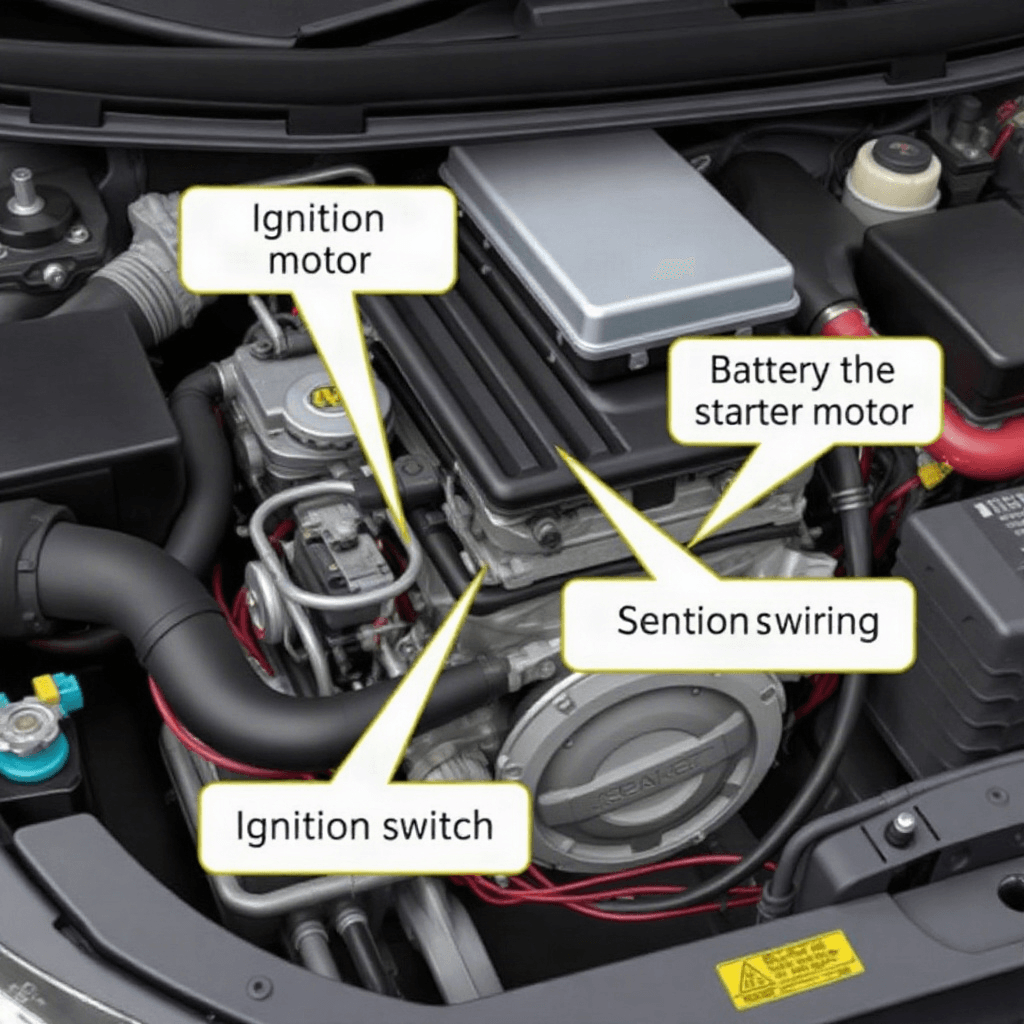
Before diving into the cleaning process, it’s essential to understand how the MAF sensor works. The MAF sensor is typically located between the air filter and the throttle body and uses a heated wire or thin film element to measure the airflow. This information is then sent to the ECU to calculate the appropriate fuel injection for the engine. Any dirt or debris on the sensor element can lead to inaccurate readings and affect the engine’s performance.
Signs of a Dirty MAF Sensor
There are several signs that indicate a dirty or faulty MAF sensor. These include rough idling, poor acceleration, stalling, and a decrease in fuel efficiency. If you notice any of these symptoms, it may be time to clean the MAF sensor to restore optimal engine performance.
Preparing for Cleaning
Before starting the cleaning process, make sure you have the necessary tools and materials on hand. You will need a can of MAF sensor cleaner, a clean microfiber cloth, and a small screwdriver (if needed to access the sensor). It’s important to use a specialized MAF sensor cleaner as regular cleaners may leave residues that can damage the sensor.
Cleaning the MAF Sensor
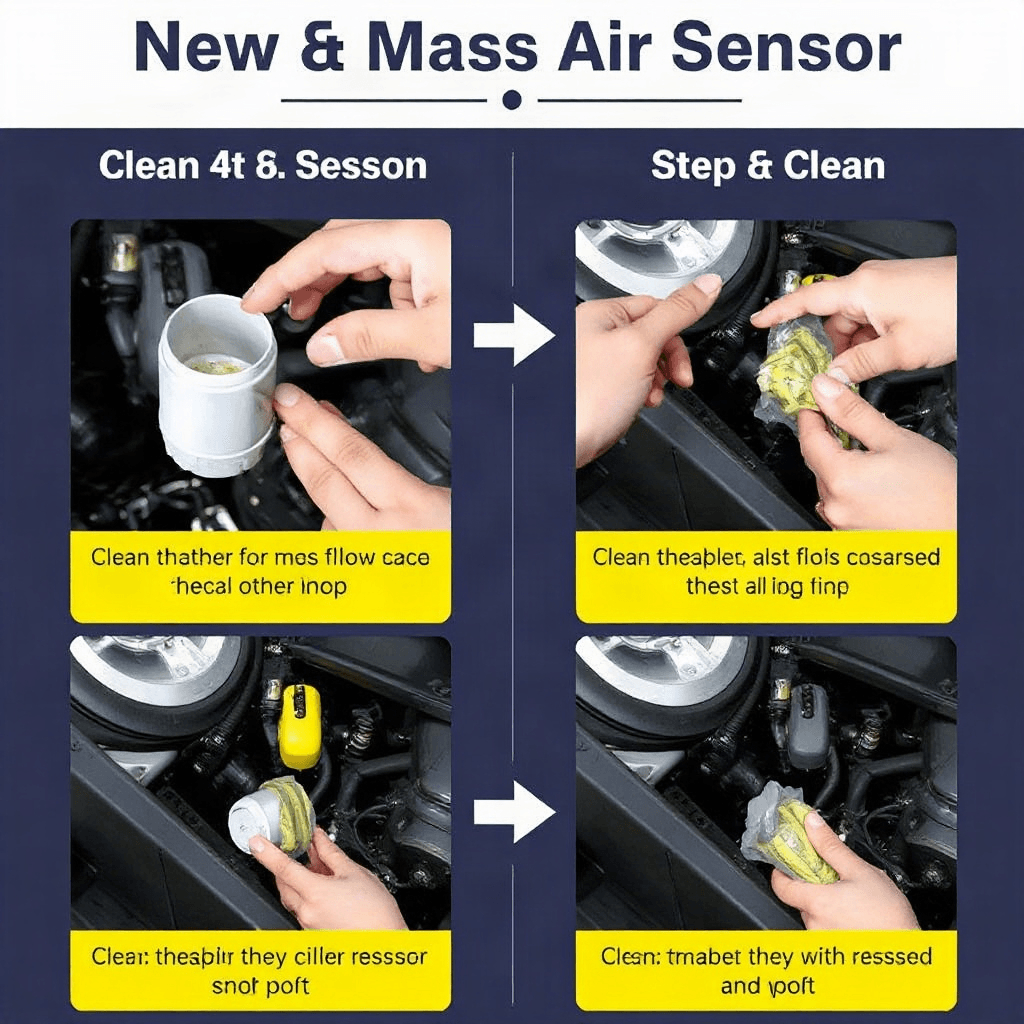
Start by locating the MAF sensor in your vehicle. It is usually housed in a cylindrical or rectangular housing near the air intake. Carefully remove the sensor from its housing using a screwdriver if necessary. Be gentle to avoid damaging the delicate sensor element. Once the sensor is exposed, spray the MAF sensor cleaner directly onto the sensing element. Avoid touching the sensor with your hands as oils from your skin can contaminate the element.
Drying and Reinstalling
After spraying the cleaner, allow the sensor to air dry completely before reinstalling it back into the housing. Do not use any external heat source to speed up the drying process as it may damage the sensor. Once the sensor is dry, carefully reinsert it into the housing and secure any clips or screws to hold it in place.
Testing and Monitoring
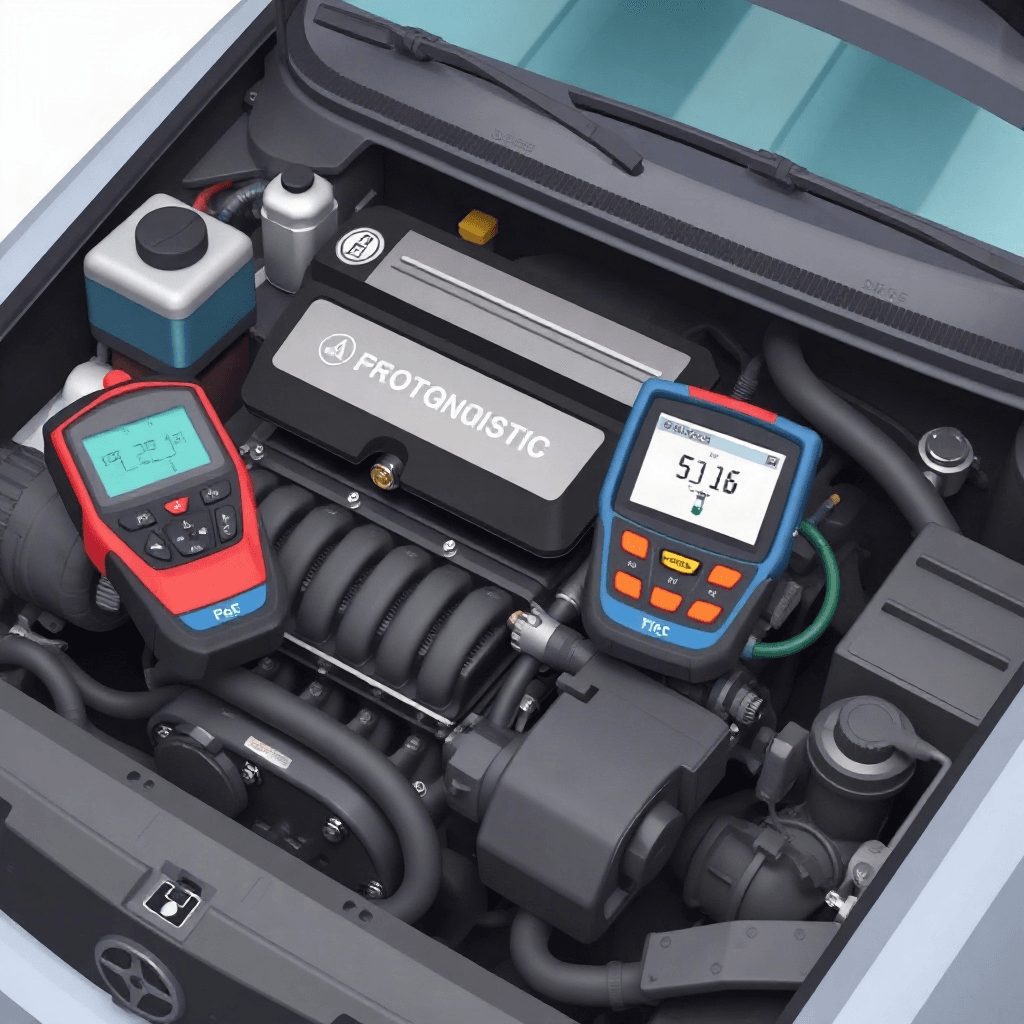
After cleaning and reinstalling the MAF sensor, start the engine and monitor its performance. If you notice any improvement in engine response, smoother idling, and better fuel efficiency, then you have successfully cleaned the MAF sensor. However, if the issues persist, it may be a sign of a more serious problem that requires professional attention.
In conclusion, knowing how to properly clean a Mass Air Flow sensor is essential for maintaining your vehicle’s performance and fuel efficiency. By following the steps outlined in this article, you can effectively clean the sensor without damaging the delicate sensing element. Regular maintenance of the MAF sensor will ensure that your engine runs smoothly and efficiently for years to come.