Nissan P0136: Diagnosing a Bank 1 Sensor 2 Circuit Fault
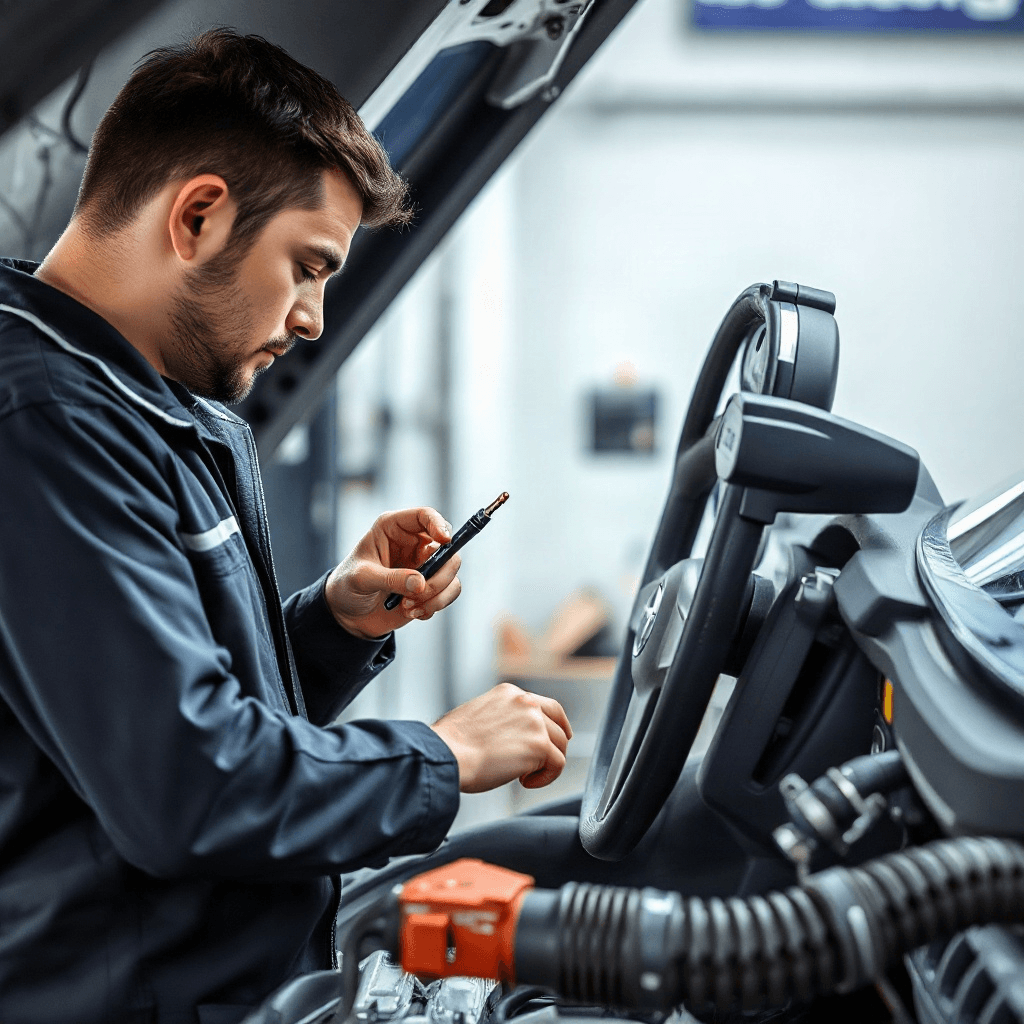
As professional content editor and experienced journalist, I will create the following article.
Introduction
When it comes to diagnosing a Bank 1 Sensor 2 Circuit Fault in a Nissan vehicle, there are specific steps and procedures that need to be followed. In this analysis, we will delve into the details of the P0136 error code and how it can be effectively diagnosed and resolved.
Understanding the P0136 Error Code
The P0136 error code specifically relates to a fault in the Bank 1 Sensor 2 oxygen sensor circuit. This sensor is responsible for monitoring the oxygen levels in the exhaust gases and providing feedback to the vehicle’s ECU. When this sensor malfunctions or fails, it can lead to a variety of issues, including decreased fuel efficiency and increased emissions.
Diagnostic Procedures
Diagnosing a P0136 error code requires a systematic approach. The first step is to use a diagnostic scanner to retrieve the specific fault code. Once the code is obtained, the oxygen sensor and its wiring should be visually inspected for any signs of damage or corrosion. Additionally, the sensor’s voltage output should be tested to ensure it is within the manufacturer’s specifications.
Common Causes of the P0136 Error Code
There are several common reasons why a P0136 error code may be triggered. These include a faulty oxygen sensor, damaged wiring or connectors, an exhaust leak near the sensor, or a malfunctioning ECU. By identifying the root cause of the issue, a more accurate diagnosis can be made, leading to a more effective repair.
Repairing the Bank 1 Sensor 2 Circuit Fault
Once the cause of the P0136 error code has been identified, the necessary repairs can be made. This may involve replacing the oxygen sensor, repairing damaged wiring, or addressing any other underlying issues. It is important to follow the manufacturer’s guidelines and recommendations when making these repairs to ensure the problem is resolved correctly.
Testing and Verification
After the repairs have been completed, it is essential to perform a final test to verify that the issue has been resolved. This may involve clearing the fault code from the ECU’s memory and driving the vehicle to ensure that the sensor is functioning properly. If the error code reappears, further diagnosis may be necessary.