How to Fix Rough Idle After Cleaning Throttle Body
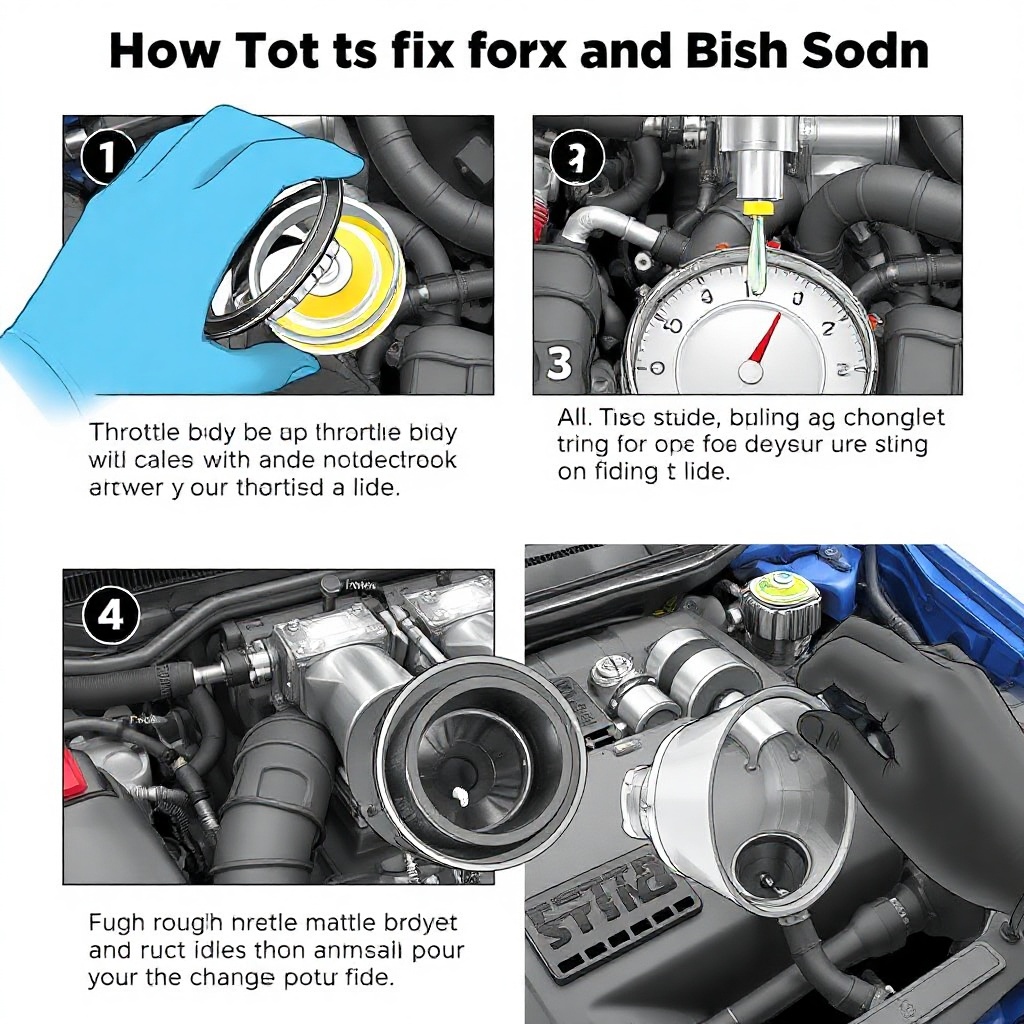
Rough idling after cleaning the throttle body can be a frustrating issue for many car owners. This common problem can lead to engine stalling, poor fuel efficiency, and overall driving discomfort. In this blog post, we will discuss how you can fix rough idle after cleaning the throttle body and get your car running smoothly again.
Understanding Rough Idle
Rough idle is a common issue that occurs when the engine is running at a lower RPM than normal, causing it to shake or vibrate. This can be caused by a variety of factors, including dirty or clogged throttle bodies, vacuum leaks, or faulty spark plugs. When you clean the throttle body, it can sometimes disrupt the engine’s airflow and lead to rough idling.
Check for Vacuum Leaks
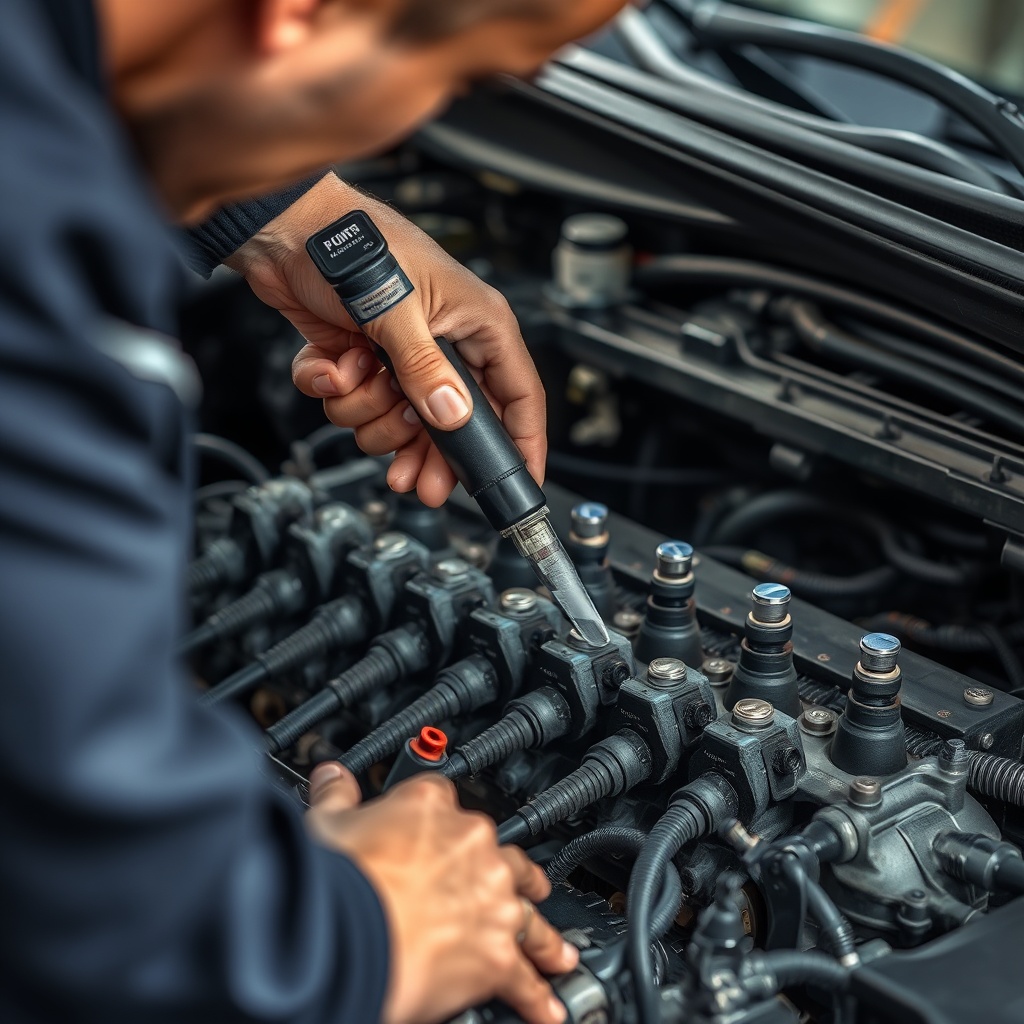
One common cause of rough idle after cleaning the throttle body is vacuum leaks. These leaks can occur when there is a break or crack in the vacuum lines, causing air to enter the engine without being properly measured by the Mass Air Flow (MAF) sensor. To check for vacuum leaks, you can use a smoke machine or a can of carburetor cleaner to identify any leaks and repair them accordingly.
Inspect the Idle Air Control Valve
The Idle Air Control (IAC) valve is responsible for regulating the amount of air entering the engine at idle. If this valve becomes dirty or clogged, it can lead to rough idling issues. After cleaning the throttle body, it’s important to inspect the IAC valve and clean it if necessary. You can use throttle body cleaner or carburetor cleaner to remove any dirt or debris that may be affecting the valve’s performance.
Reset the ECU
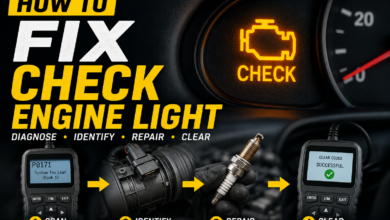
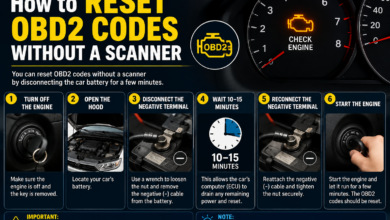
After cleaning the throttle body, it’s a good idea to reset the Engine Control Unit (ECU) to allow it to relearn the new airflow patterns. You can do this by disconnecting the battery for a few minutes, then reconnecting it and starting the engine. This will reset the ECU and help it adapt to the changes made during the throttle body cleaning process.
Test Drive and Monitor
Once you have completed the above steps, it’s important to test drive your car and monitor its performance. Pay attention to any signs of rough idling, engine stalling, or poor acceleration. If the issue persists, you may need to seek professional help to diagnose and fix the problem.
Final Thoughts
Fixing rough idle after cleaning the throttle body can be a straightforward process if you follow the correct steps. By checking for vacuum leaks, inspecting the Idle Air Control valve, resetting the ECU, and monitoring your car’s performance, you can effectively address rough idling issues and get your car running smoothly again.