Spongy Brake Pedal: Causes & How to Fix
A spongy brake pedal is a common issue that many drivers encounter with their vehicles. It can be both frustrating and potentially dangerous if not addressed promptly. In this article, we will explore the causes of a spongy brake pedal and provide expert tips on how to fix it effectively.
Common Causes of a Spongy Brake Pedal
One of the most common causes of a spongy brake pedal is air in the brake lines. When air gets trapped in the brake system, it can create a spongy feel when you press the pedal. Another possible cause is worn-out brake pads or brake fluid that needs to be replaced. Additionally, a brake fluid leak or a malfunctioning brake master cylinder can also result in a spongy brake pedal.
Symptoms of a Spongy Brake Pedal
It is important to be able to recognize the symptoms of a spongy brake pedal. Some common signs include a pedal that goes all the way to the floor, a mushy feel when applying pressure, and a longer stopping distance than usual. If you experience any of these symptoms, it is crucial to address the issue promptly to ensure your safety on the road.
How to Fix a Spongy Brake Pedal
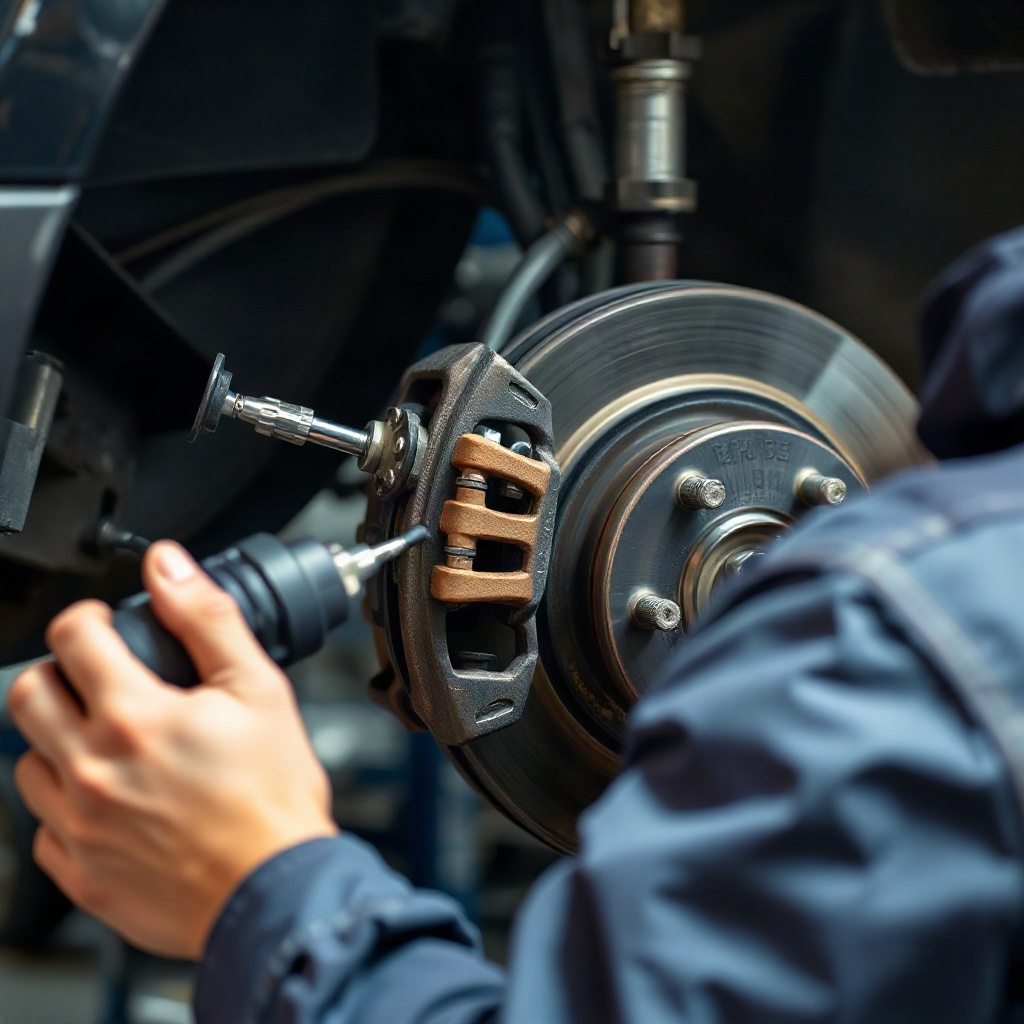
To fix a spongy brake pedal, start by checking the brake fluid level in the reservoir. If it is low, top it up with the recommended brake fluid for your vehicle. Next, bleed the brake system to remove any air that may be trapped in the lines. This process involves opening the bleeder valves on each brake caliper and allowing the old fluid and air bubbles to escape.
Importance of Regular Brake Maintenance
Regular brake maintenance is essential to prevent issues like a spongy brake pedal. Make sure to check your brake pads and rotors regularly for wear and tear, and replace them as needed. It is also recommended to flush and replace the brake fluid according to the manufacturer’s guidelines to ensure optimal brake performance.
Professional Help and DIY Tips
If you are unsure about how to fix a spongy brake pedal on your own, it is best to seek professional help from a certified mechanic. They have the expertise and tools to diagnose the issue accurately and repair it effectively. However, if you are comfortable working on your vehicle, there are DIY brake bleeding kits available that can help you address the issue at home.
Conclusion
In conclusion, a spongy brake pedal is a common problem that can be caused by various factors such as air in the brake lines, worn-out brake pads, or a brake fluid leak. It is essential to address this issue promptly to ensure your safety while driving. By following the expert tips provided in this article, you can effectively fix a spongy brake pedal and maintain optimal brake performance.