ABS and Traction Control Light On at the Same Time
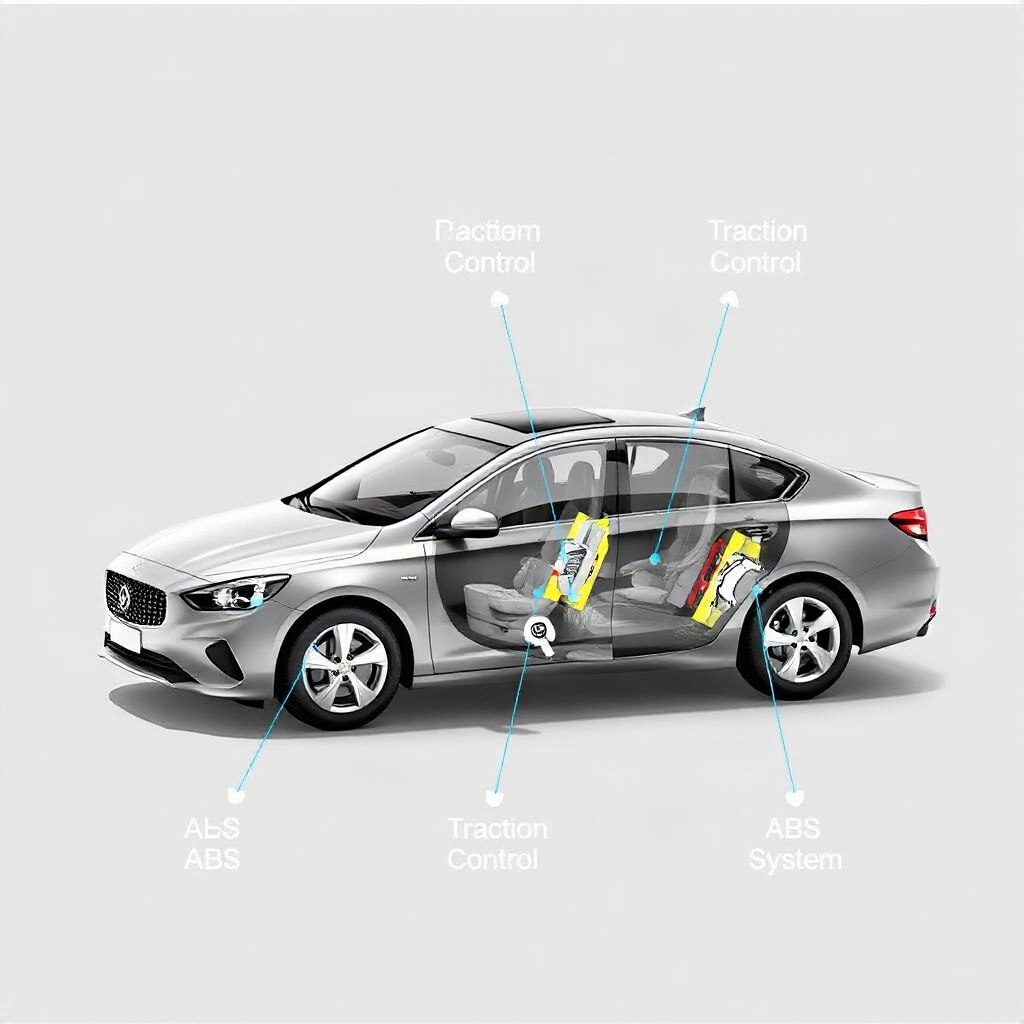
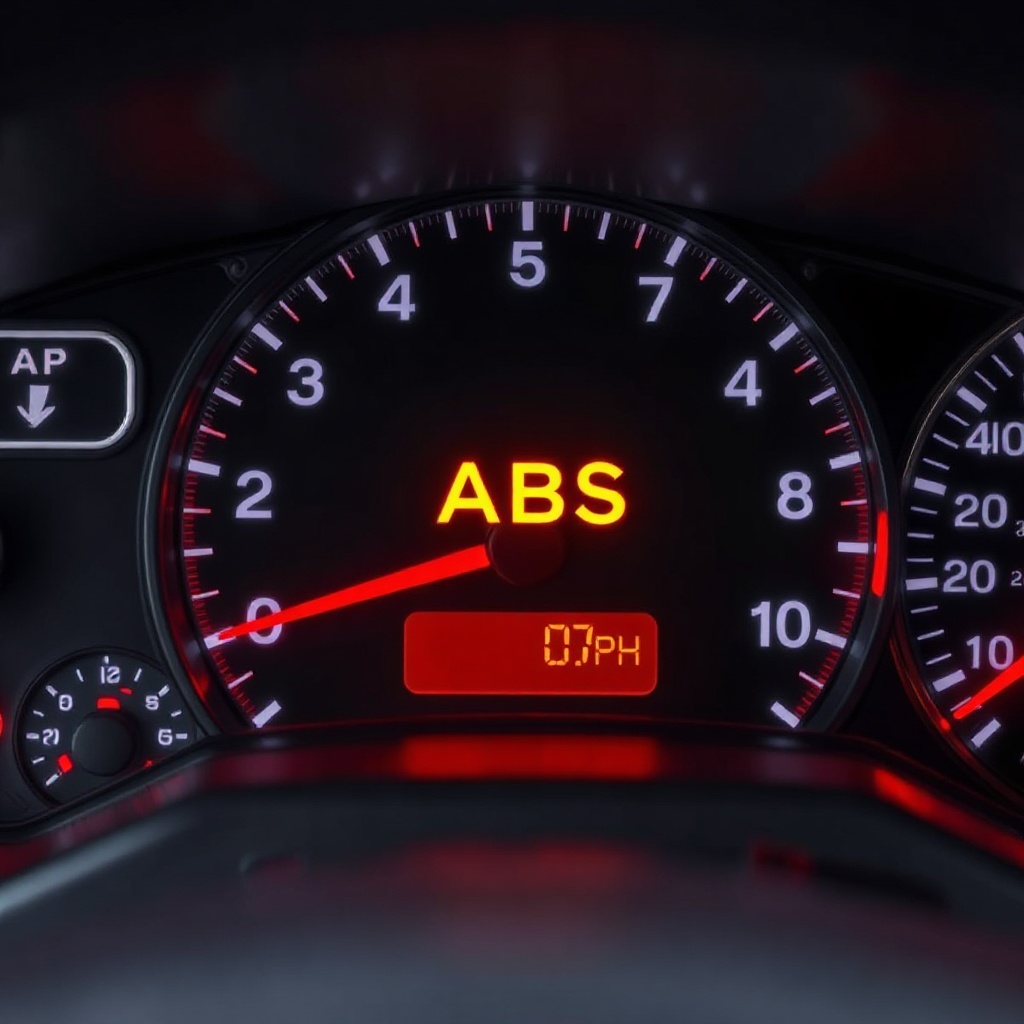
Modern vehicles are equipped with numerous safety features to ensure a smooth and secure driving experience. However, when the ABS and Traction Control warning lights illuminate at the same time on your dashboard, it can be a cause for concern. These lights indicate that there may be an issue with your vehicle’s anti-lock braking system (ABS) and traction control system, both of which are crucial for maintaining control and stability on the road.
Understanding the ABS System
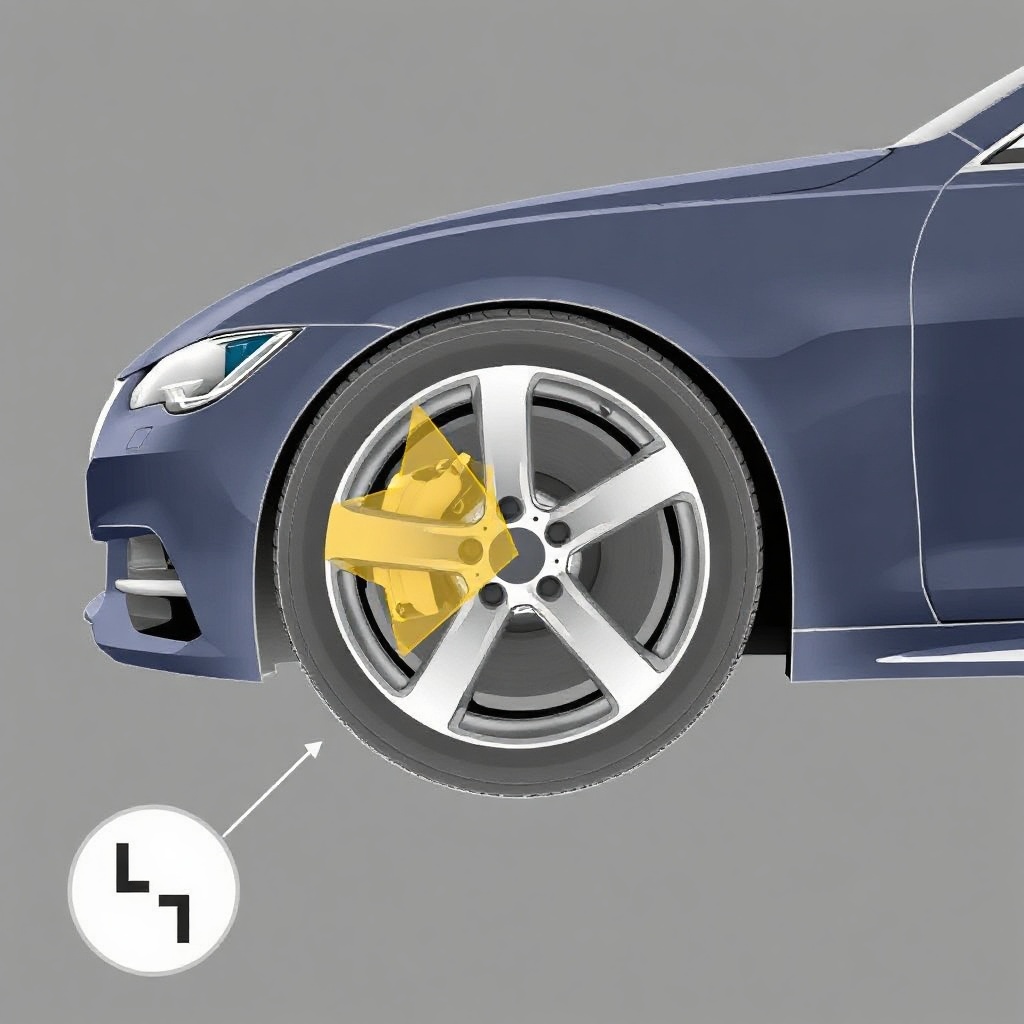
The ABS system is designed to prevent the wheels from locking up during braking, allowing the driver to maintain steering control. When the ABS warning light comes on, it typically indicates a problem with the system, such as a faulty sensor or a malfunctioning pump. Driving with a faulty ABS system can compromise your ability to brake safely, especially in slippery conditions.
Traction Control What You Need to Know
Traction control works in conjunction with the ABS system to prevent wheel spin and loss of traction. When the traction control warning light illuminates, it suggests that there may be an issue with the system, such as a faulty sensor or a problem with the control module. Driving with a malfunctioning traction control system can increase the risk of skidding and loss of control, particularly on wet or icy roads.
Common Causes of Both Lights Coming On
There are several potential reasons why the ABS and traction control warning lights may come on simultaneously. These include a malfunctioning wheel speed sensor, a damaged ABS module, low brake fluid levels, or a problem with the steering angle sensor. It is essential to address these issues promptly to ensure the safety and performance of your vehicle.
Diagnosing the Issue
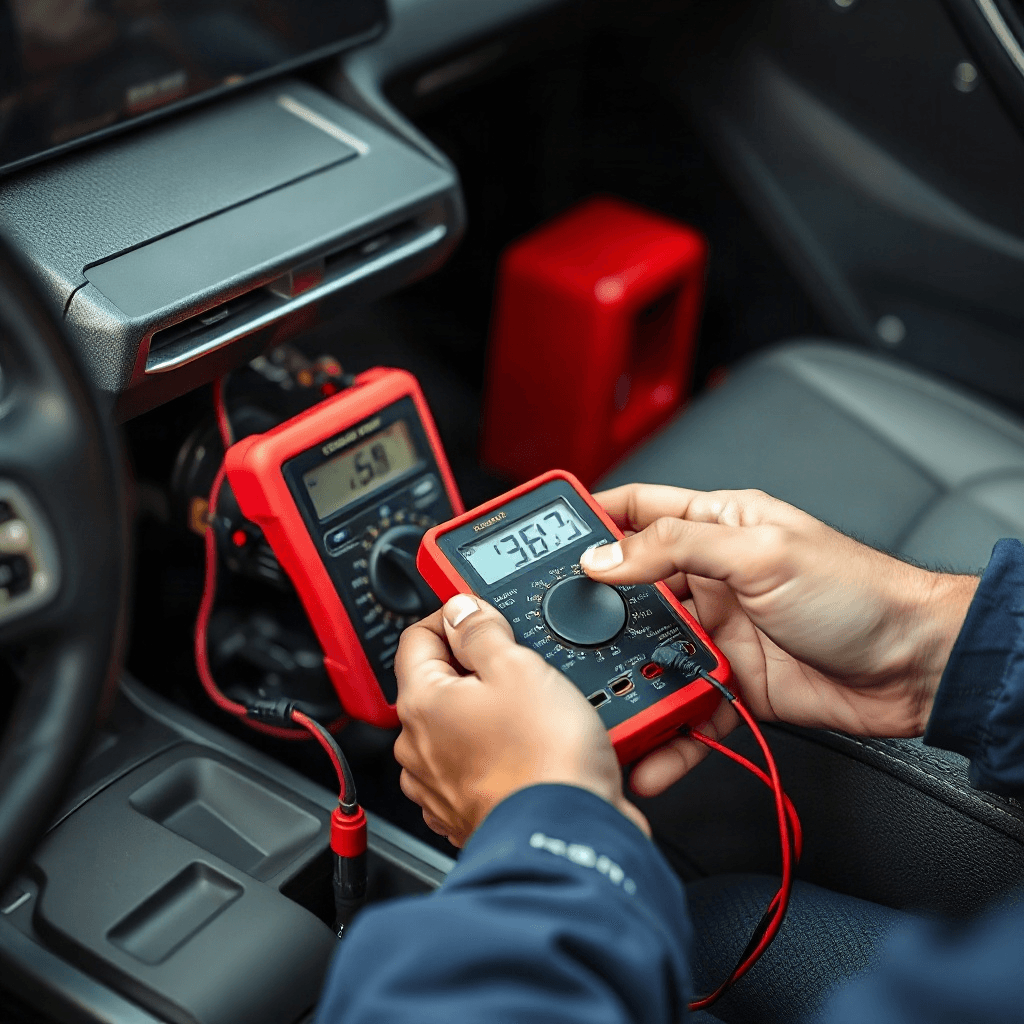
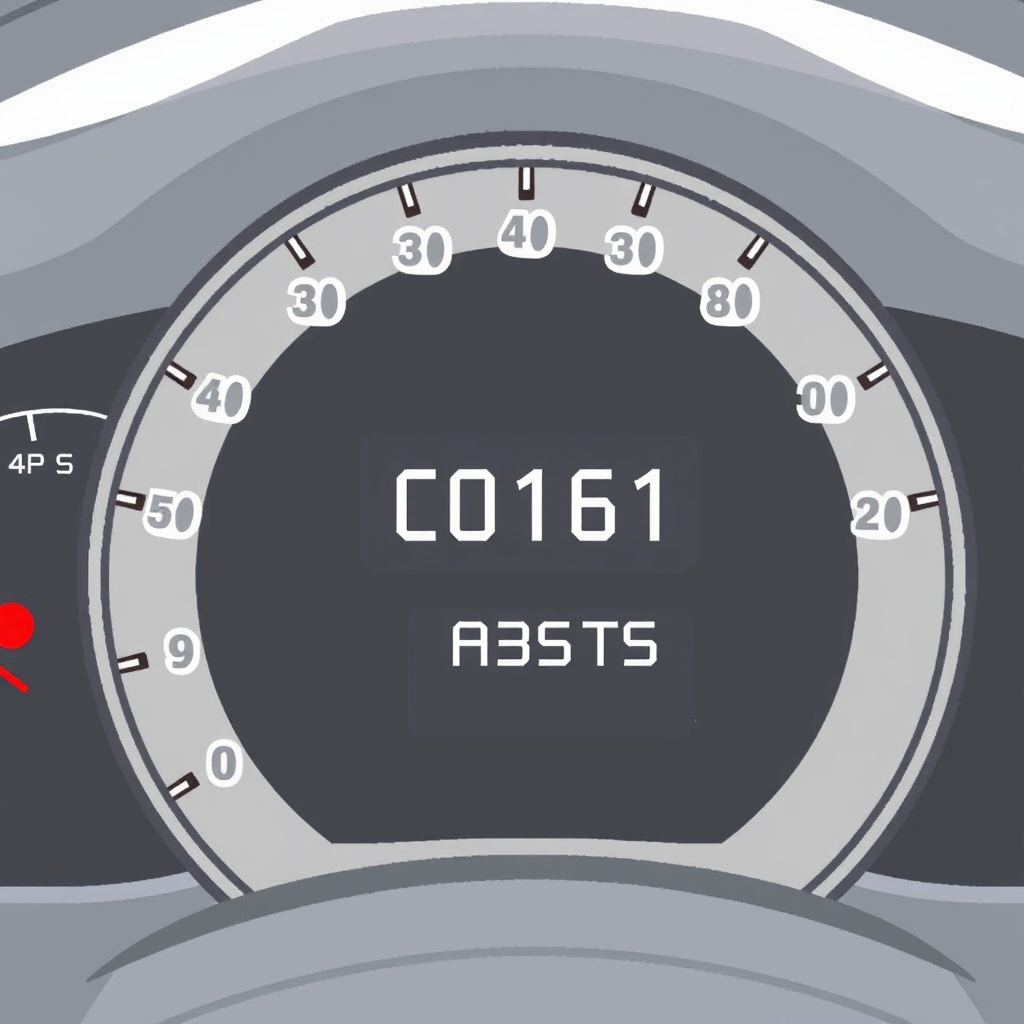
If you notice both the ABS and traction control warning lights on your dashboard, it is advisable to have your vehicle inspected by a qualified mechanic. They will perform a diagnostic scan to identify the specific cause of the problem. Ignoring these warning lights can lead to further damage to your vehicle and compromise your safety on the road.
Repair Options and Costs
The cost of repairing the ABS and traction control systems can vary depending on the underlying issue. In some cases, a simple sensor replacement may resolve the problem, while in other instances, more extensive repairs may be required. It is essential to consult with a professional technician to determine the best course of action for addressing the issue.
Preventative Maintenance Tips
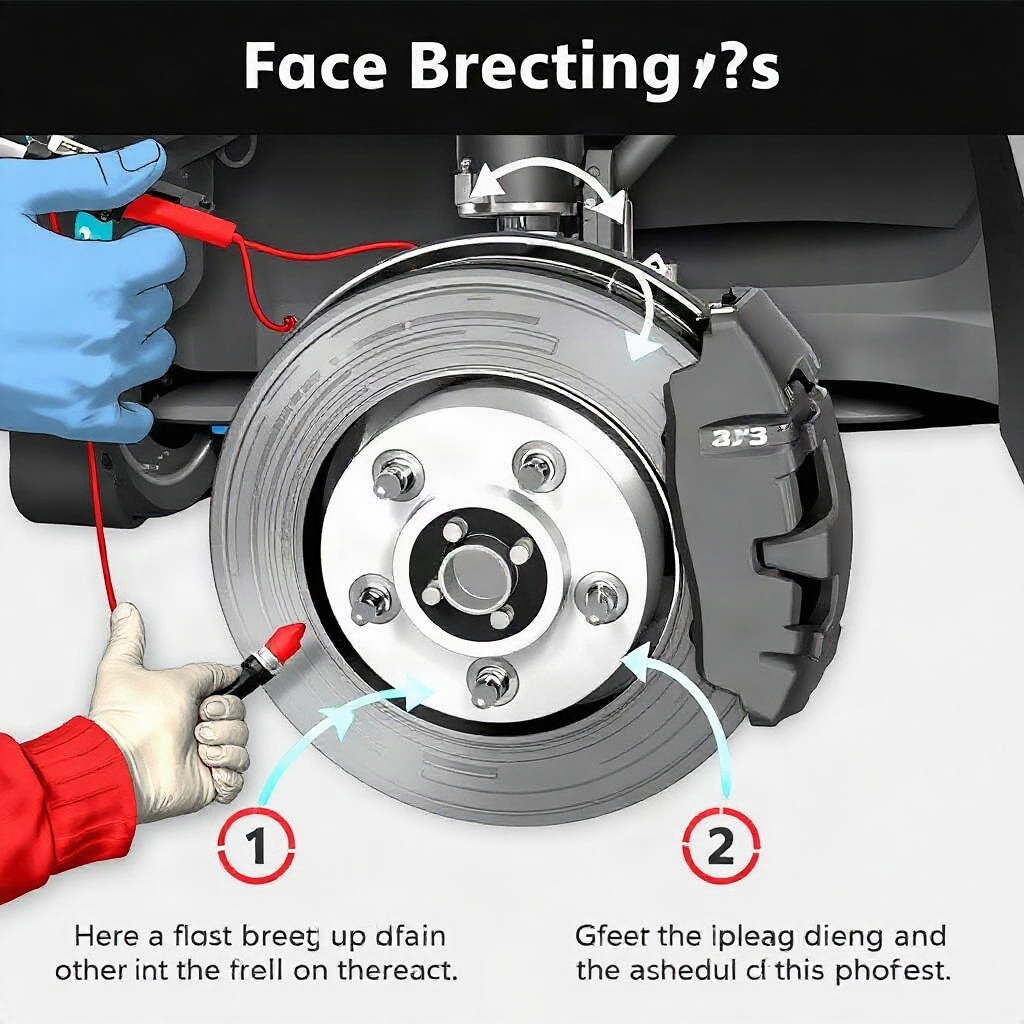
To avoid potential issues with your ABS and traction control systems, it is crucial to follow a regular maintenance schedule for your vehicle. This includes checking and replacing brake fluid as needed, inspecting brake pads and rotors, and ensuring that all sensors are functioning correctly. By staying proactive with your vehicle maintenance, you can help prevent costly repairs and ensure a safe driving experience.