How to Fix a Catalytic Converter Without Replacing It
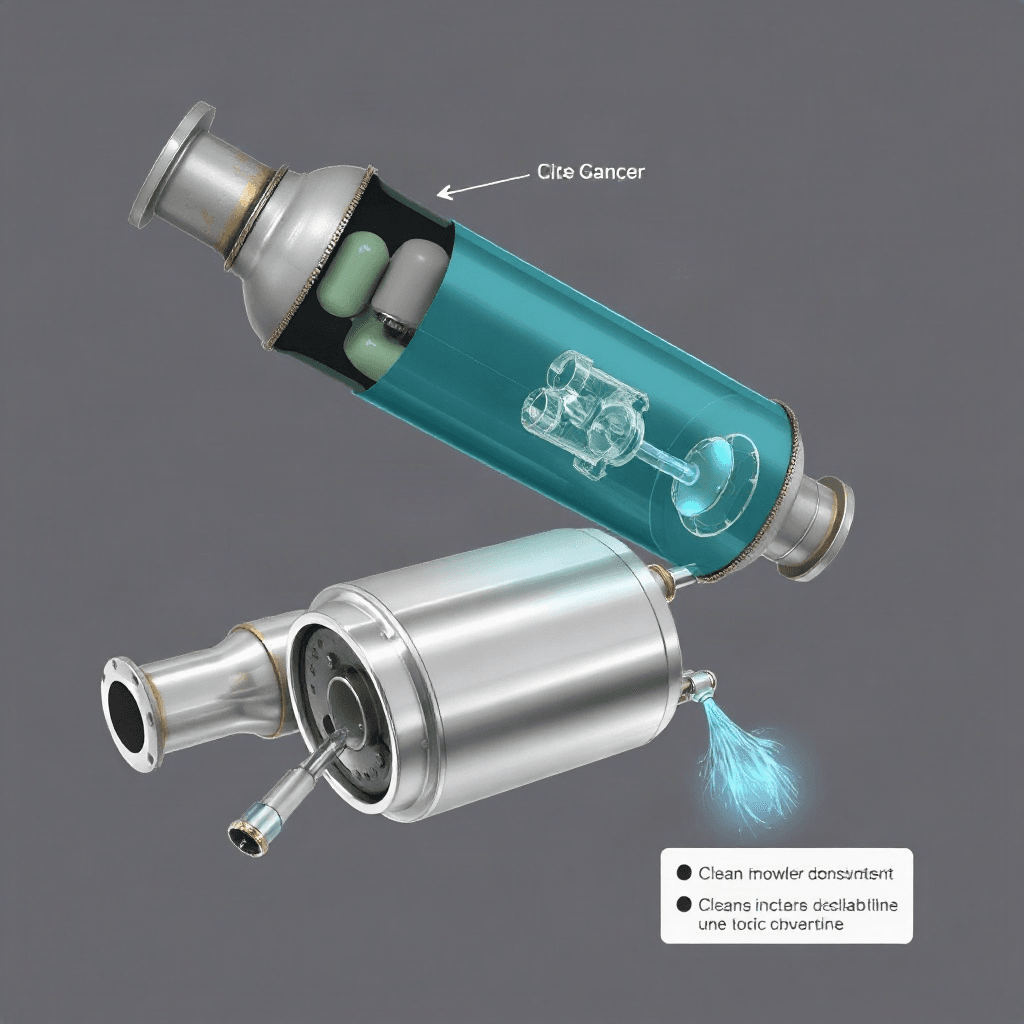
Catalytic converters are an essential component of a vehicle’s exhaust system, responsible for reducing harmful emissions into the atmosphere. Over time, these converters can become clogged or damaged, leading to decreased performance and increased pollution. While many people may think the only solution is to replace the entire catalytic converter, there are actually several ways to fix it without going through the costly replacement process. In this guide, we will explore how to effectively fix a catalytic converter without replacing it.
Understanding the Issue
Before attempting to fix a catalytic converter, it’s important to understand the underlying issue. Most commonly, converters become clogged due to a buildup of carbon deposits or other contaminants. This can restrict the flow of exhaust gases, leading to reduced efficiency and performance. By diagnosing the specific problem with your catalytic converter, you can determine the best course of action for fixing it.
Cleaning the Converter
One of the simplest ways to fix a clogged catalytic converter is by cleaning it. There are several products available on the market designed to break down carbon deposits and other contaminants. By following the manufacturer’s instructions, you can effectively clean out your converter and restore its performance. This should be done regularly to prevent future buildups and maintain optimal efficiency.
Using a Catalytic Converter Cleaner
In addition to manual cleaning, you can also use a catalytic converter cleaner to dissolve any buildup within the converter. These cleaners are typically added to the fuel tank and run through the system during normal driving. They work to break down deposits and improve the converter’s overall function. While this method may take longer to show results, it can be an effective way to fix a clogged converter over time.
Inspecting for Physical Damage
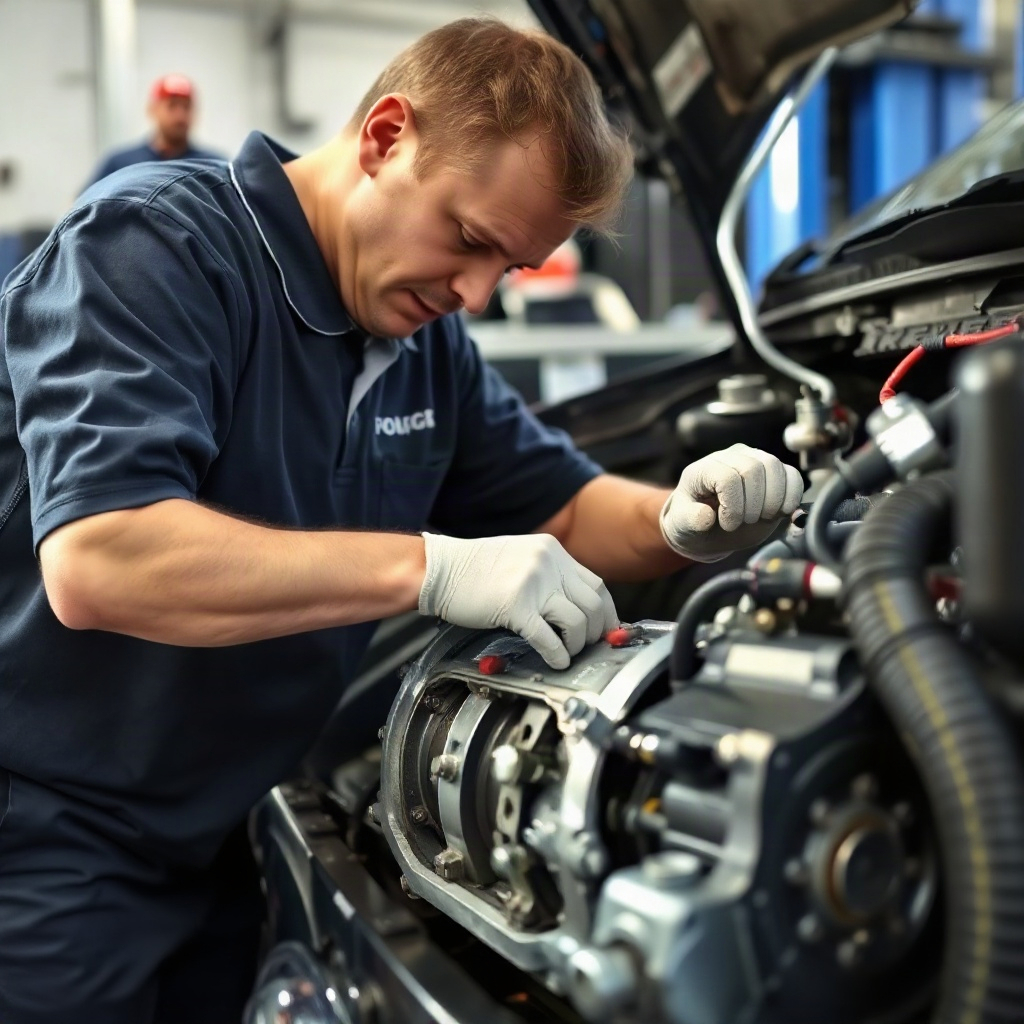
If your catalytic converter is not simply clogged but also physically damaged, it may require more extensive repairs. Inspect the converter for any cracks, holes, or other signs of damage that may be affecting its performance. In some cases, welding or patching up the damaged areas can effectively fix the issue without the need for a complete replacement.
Addressing Engine Issues
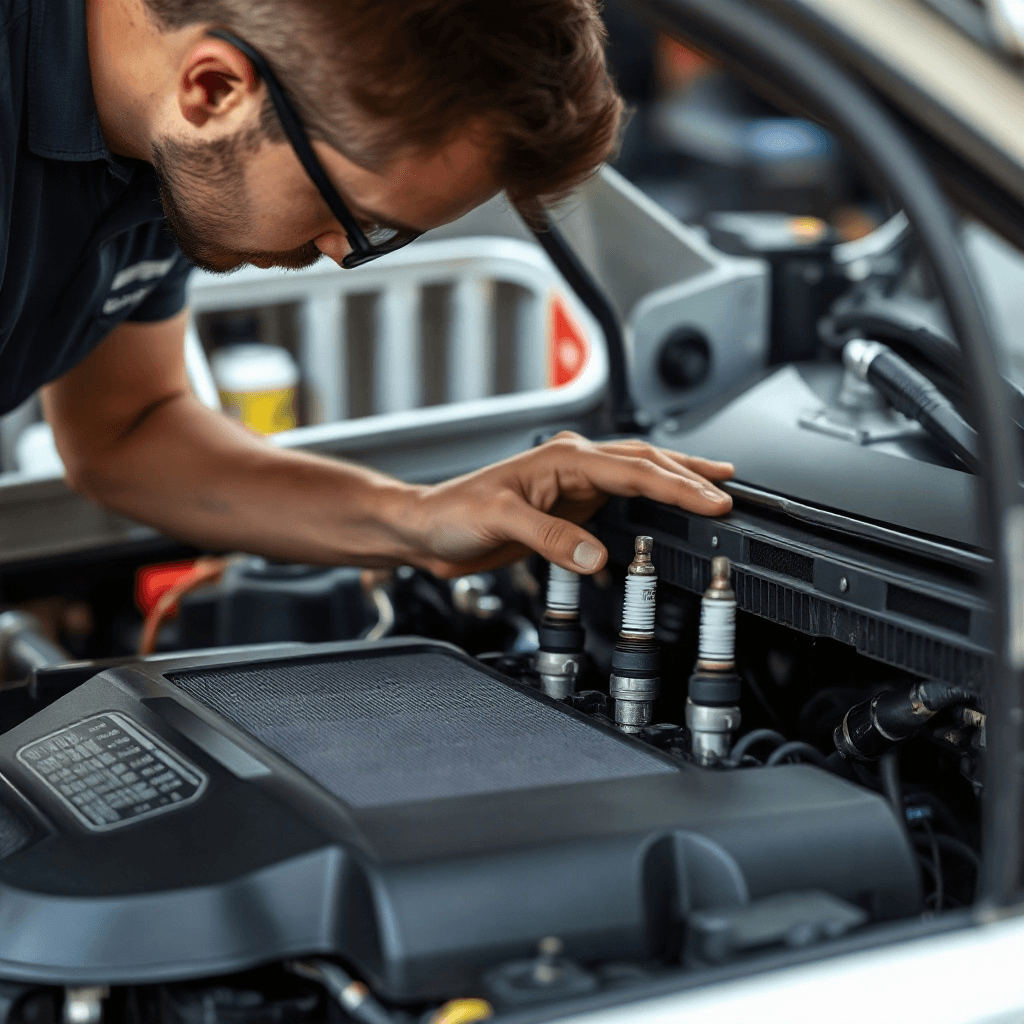
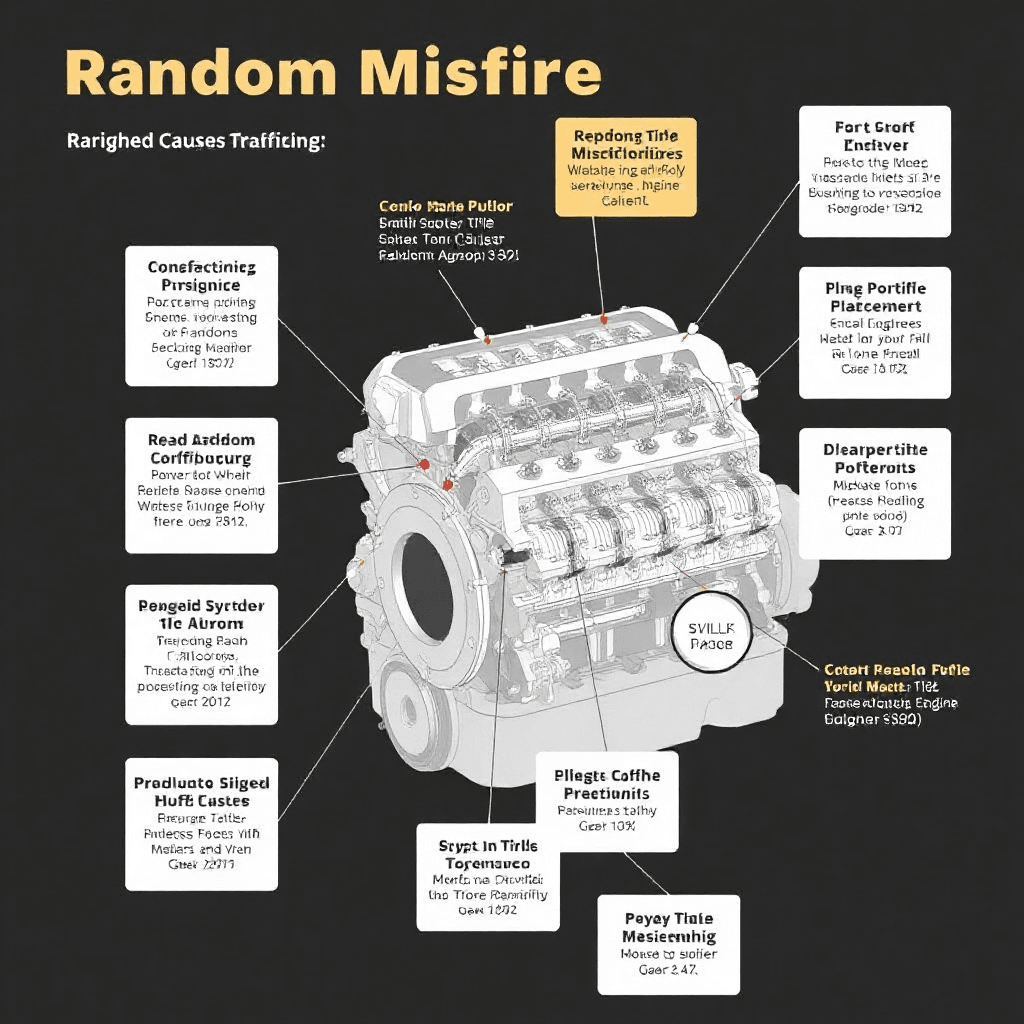
Sometimes, the root cause of catalytic converter problems lies in the engine itself. Issues such as misfiring spark plugs, a faulty oxygen sensor, or a rich fuel mixture can all contribute to converter damage. By addressing these engine issues, you can prevent further damage to the converter and improve overall vehicle performance.
Seeking Professional Help
If you’re unsure about how to fix your catalytic converter or suspect more serious issues, it’s best to seek professional help. A qualified mechanic can diagnose the problem and recommend the most effective solution for fixing your converter. While this may involve some costs, it can save you time and prevent further damage in the long run.