How to Test an Ignition Coil Before Replacing Spark Plugs
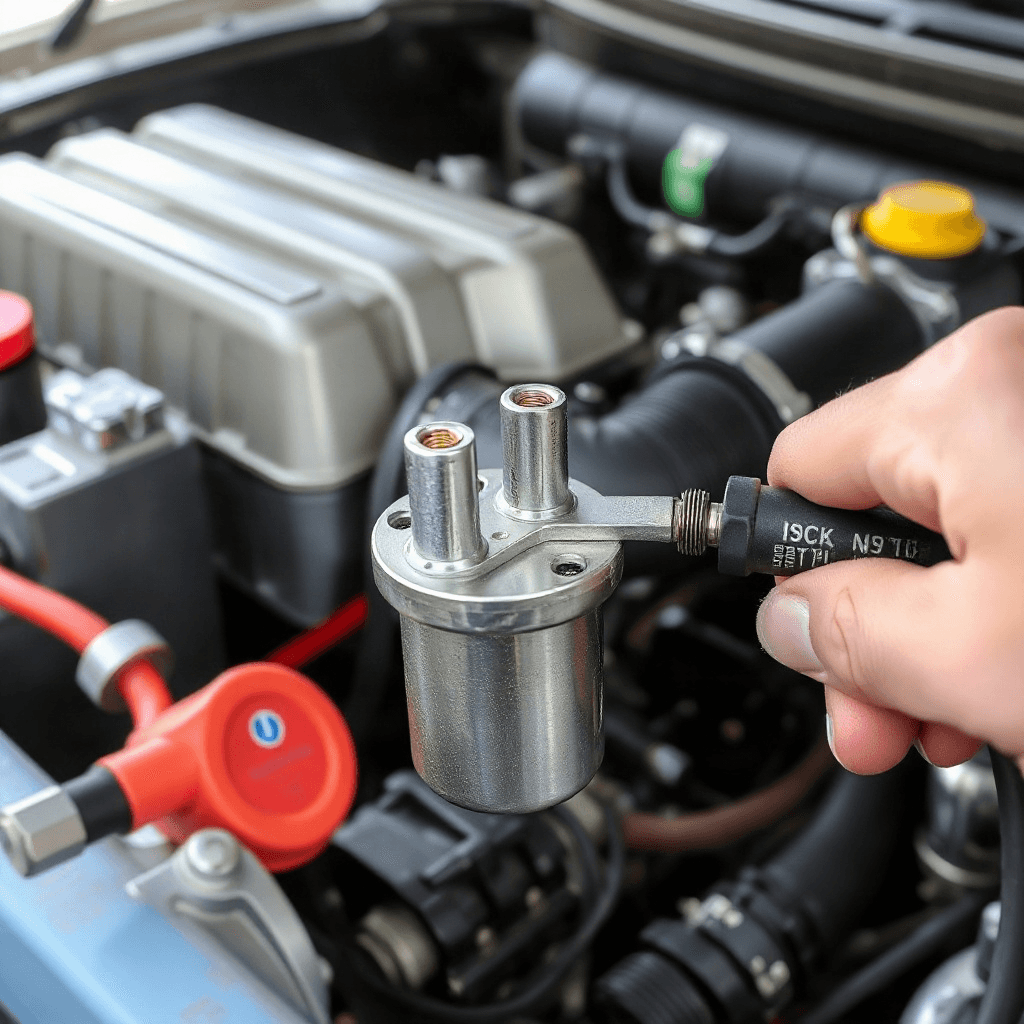
Ignition coils play a crucial role in the performance of a vehicle’s engine. These coils are responsible for converting the low voltage from the battery into the thousands of volts needed to create a spark in the spark plugs, which ignites the fuel-air mixture in the combustion chamber. Before replacing spark plugs, it’s essential to test the ignition coil to ensure it is functioning properly. In this article, we will discuss how to test an ignition coil before replacing spark plugs.
Understanding the Ignition Coil
An ignition coil is an induction coil that transforms the 12-volt electrical current from the battery into the high voltage needed to ignite the fuel-air mixture in the engine’s combustion chamber. It consists of primary and secondary windings that are insulated from each other. The primary winding receives low voltage, while the secondary winding delivers the high voltage to the spark plugs.
Symptoms of a Faulty Ignition Coil
Before testing the ignition coil, it’s important to be aware of the common symptoms of a faulty coil. These symptoms include engine misfires, rough idling, difficulty starting the engine, decrease in fuel efficiency, and illuminated check engine light. If you experience any of these signs, it may indicate a problem with the ignition coil.
Tools Needed for Testing
To test an ignition coil, you will need a digital multimeter, a spark tester, and the vehicle’s service manual for specific testing procedures. The digital multimeter is used to measure the resistance of the ignition coil, while the spark tester is used to determine if the coil is generating a spark.
Testing the Resistance
To test the resistance of the ignition coil, first, disconnect the negative terminal of the battery to prevent any electrical shock. Then, locate the ignition coil and use the digital multimeter to measure the resistance of the primary and secondary windings. Consult the service manual for the specific resistance values for your vehicle’s ignition coil.
Checking for Spark
After testing the resistance, the next step is to check if the ignition coil is generating a spark. To do this, use a spark tester to connect between the coil and spark plug. Crank the engine and observe if the spark tester is flashing. If there is no spark, it indicates a faulty ignition coil that needs to be replaced.
Conclusion
Testing an ignition coil before replacing spark plugs is a crucial step in diagnosing engine performance issues. By following the steps outlined in this article, you can determine if the ignition coil is functioning properly and avoid unnecessary replacement of spark plugs. Remember to consult the vehicle’s service manual for specific testing procedures and resistance values.