AWD Coupling Overheating: Warning Signs and First Diagnostic Steps
As a car owner, one of the most dreaded scenarios is experiencing issues with your vehicle’s drivetrain. One common problem that many drivers face is AWD coupling overheating. This issue can lead to serious damage if not addressed promptly. In this article, we will discuss the warning signs of AWD coupling overheating and the first steps you should take to diagnose the problem.
Recognizing the Warning Signs
When your AWD coupling is overheating, there are several warning signs that you may notice while driving. One of the most common indicators is a burning smell coming from under the hood. This smell is often accompanied by smoke or steam rising from the engine compartment. Additionally, you may experience a loss of power or responsiveness when accelerating, as the overheating can cause the AWD system to malfunction. It is crucial to pay attention to these warning signs and take action immediately to prevent further damage.
Checking the Fluid Levels
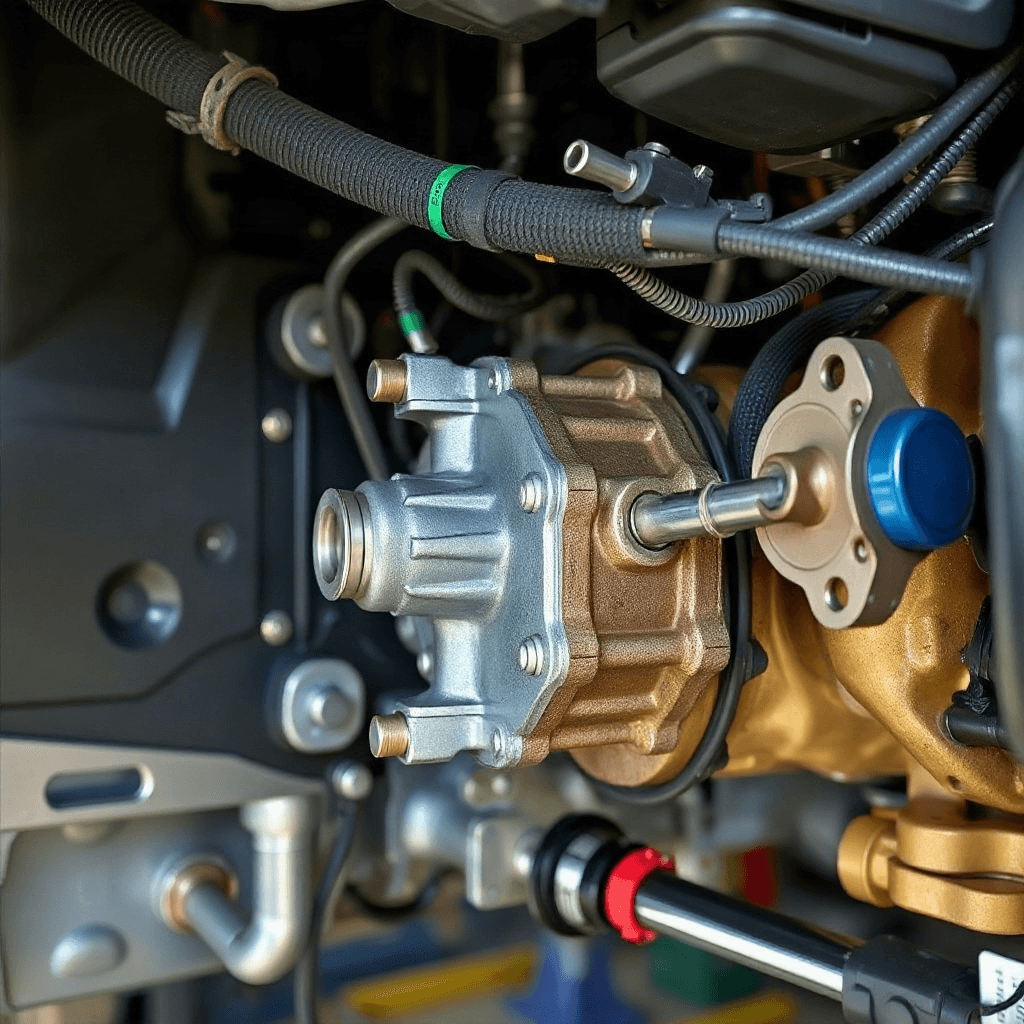
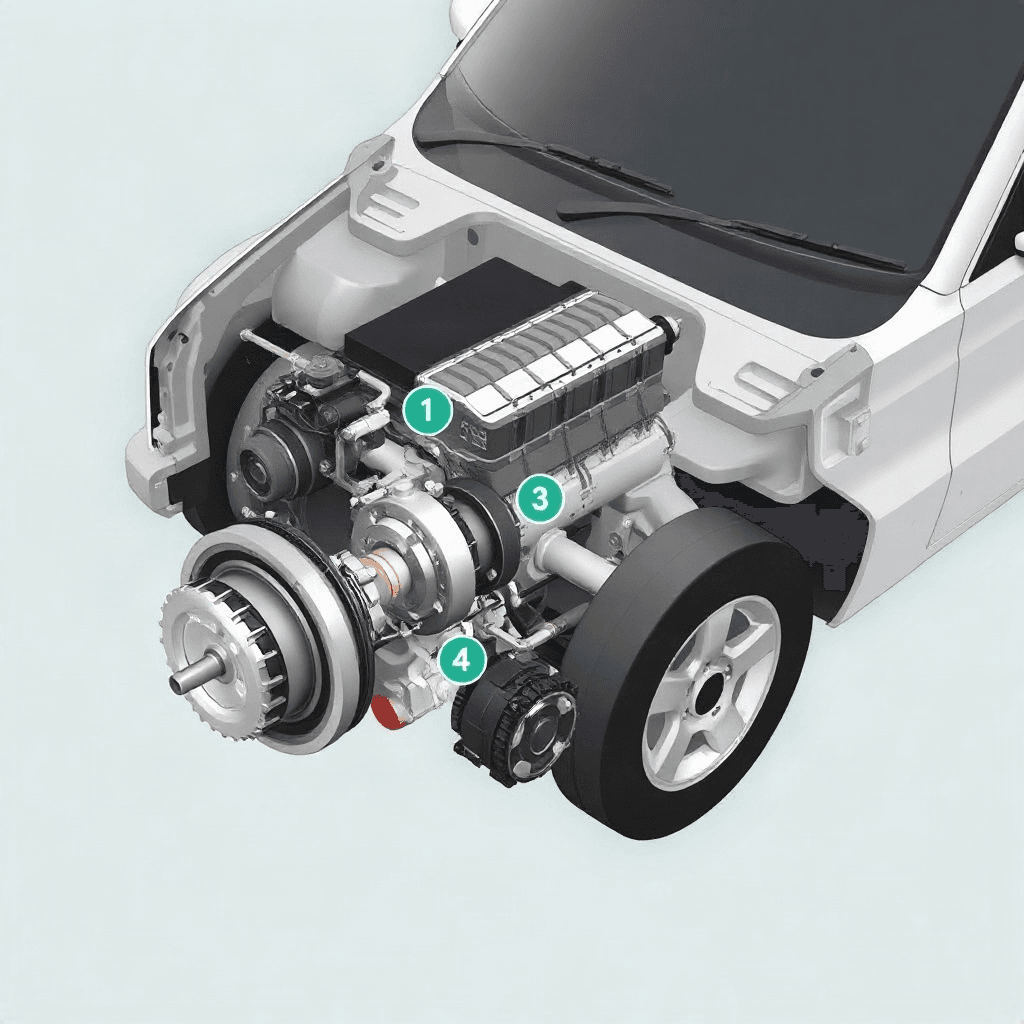
The first step in diagnosing AWD coupling overheating is to check the fluid levels in the system. Low fluid levels can lead to overheating, so it is essential to ensure that the fluid is at the proper level. Locate the AWD coupling fluid reservoir under the hood and check the level according to the manufacturer’s specifications. If the fluid is low, add more as needed, and monitor the system for any improvements.
Inspecting for Leaks
Another common cause of AWD coupling overheating is leaks in the system. Inspect the AWD coupling components for any signs of leakage, such as puddles of fluid under the vehicle or wet spots on the engine. Leaks can lead to a loss of fluid, which can result in overheating and damage to the system. If you detect any leaks, it is crucial to repair them promptly to prevent further issues.
Testing the Temperature
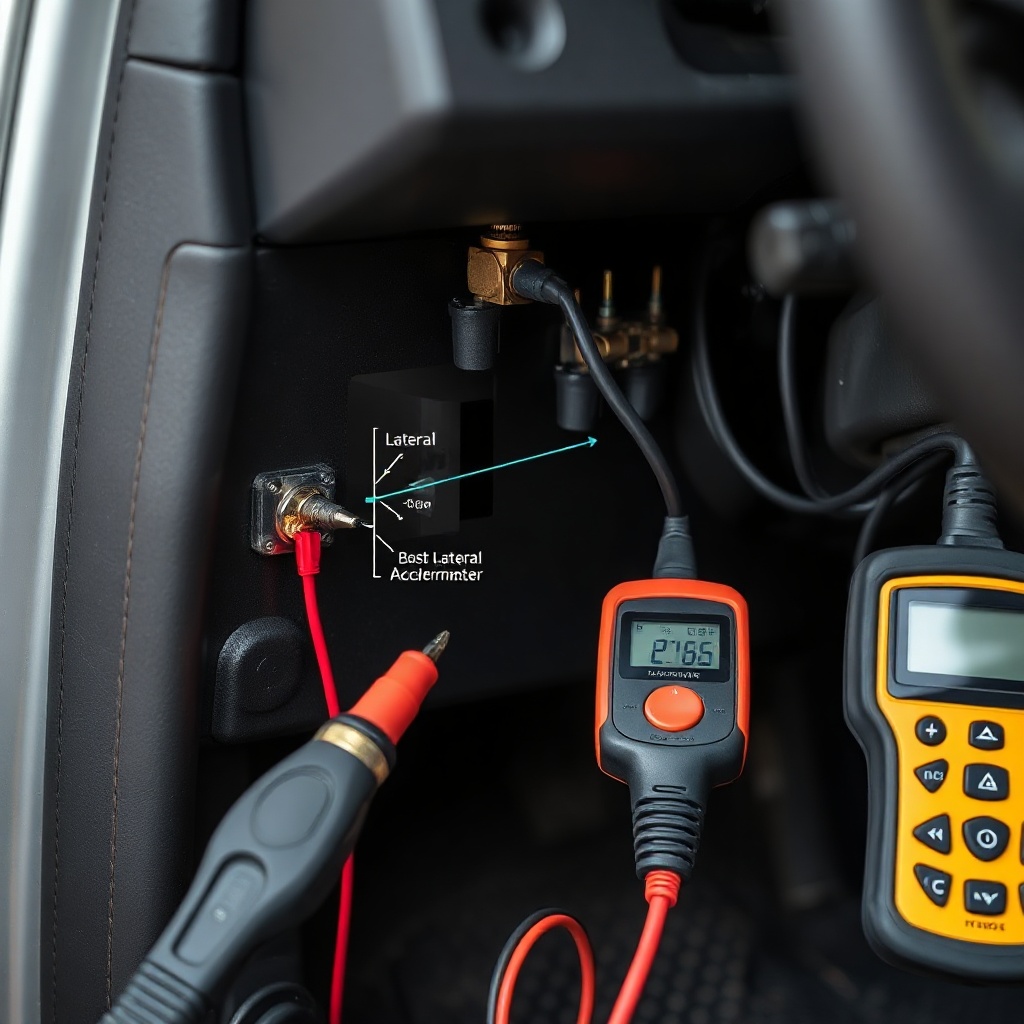
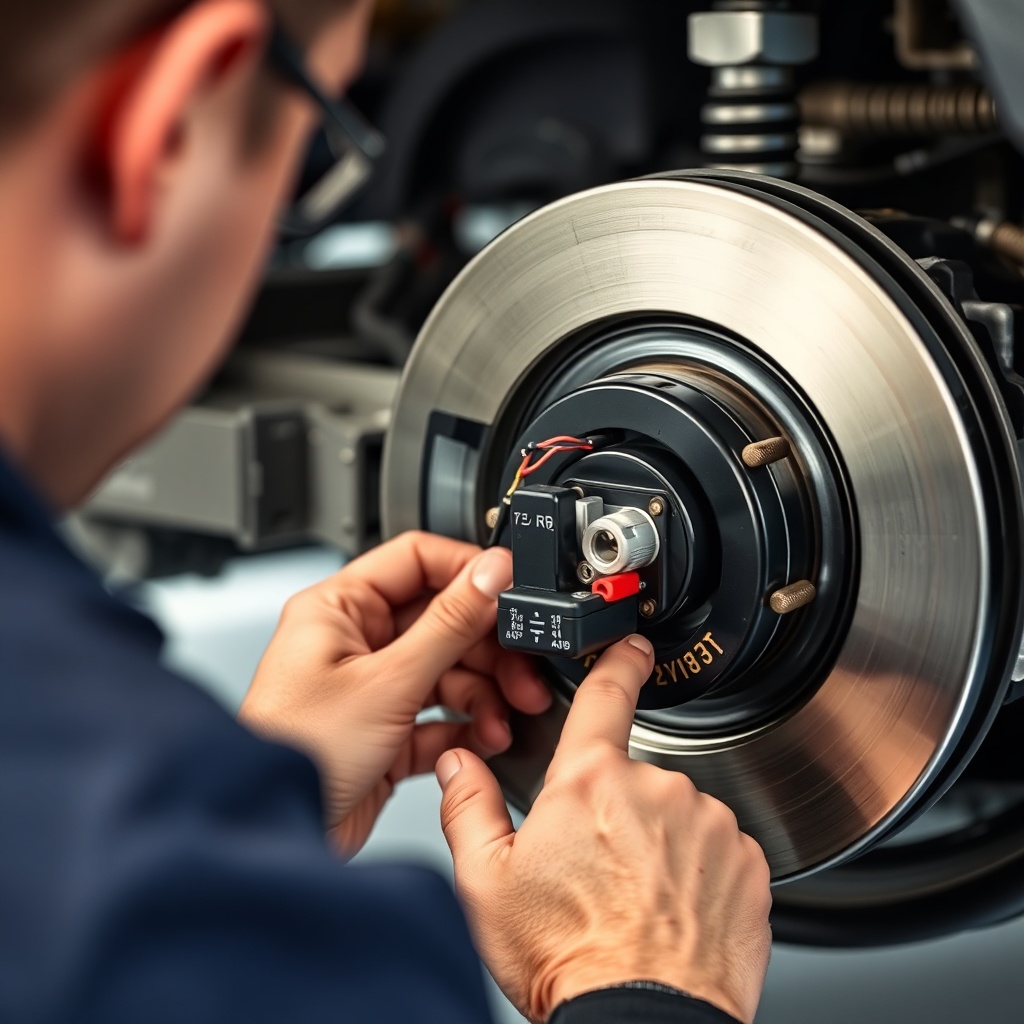
To further diagnose the issue of AWD coupling overheating, you can use a temperature gauge to test the temperature of the system. Drive your vehicle for a short distance and then park it in a safe location. Use the temperature gauge to measure the heat coming from the AWD coupling components. If the temperature is significantly higher than normal, it may indicate that the system is overheating and requires attention.
Consulting a Professional
If you have checked the fluid levels, inspected for leaks, and tested the temperature of the AWD coupling system, but are still experiencing issues, it may be time to consult a professional mechanic. A qualified technician can perform a thorough inspection of the system and determine the root cause of the overheating. They can recommend the necessary repairs or replacements to get your AWD system back in proper working order.
Taking Preventative Measures
Once you have addressed the issue of AWD coupling overheating, it is essential to take preventative measures to avoid future problems. Regularly check the fluid levels in the system, inspect for leaks, and monitor the temperature to ensure that everything is functioning correctly. By staying proactive and attentive to your vehicle’s AWD system, you can prevent overheating issues and prolong the life of your drivetrain.