Honda P2195: Use Fuel-Trim Data to Investigate a Lean-Biased Sensor Signal
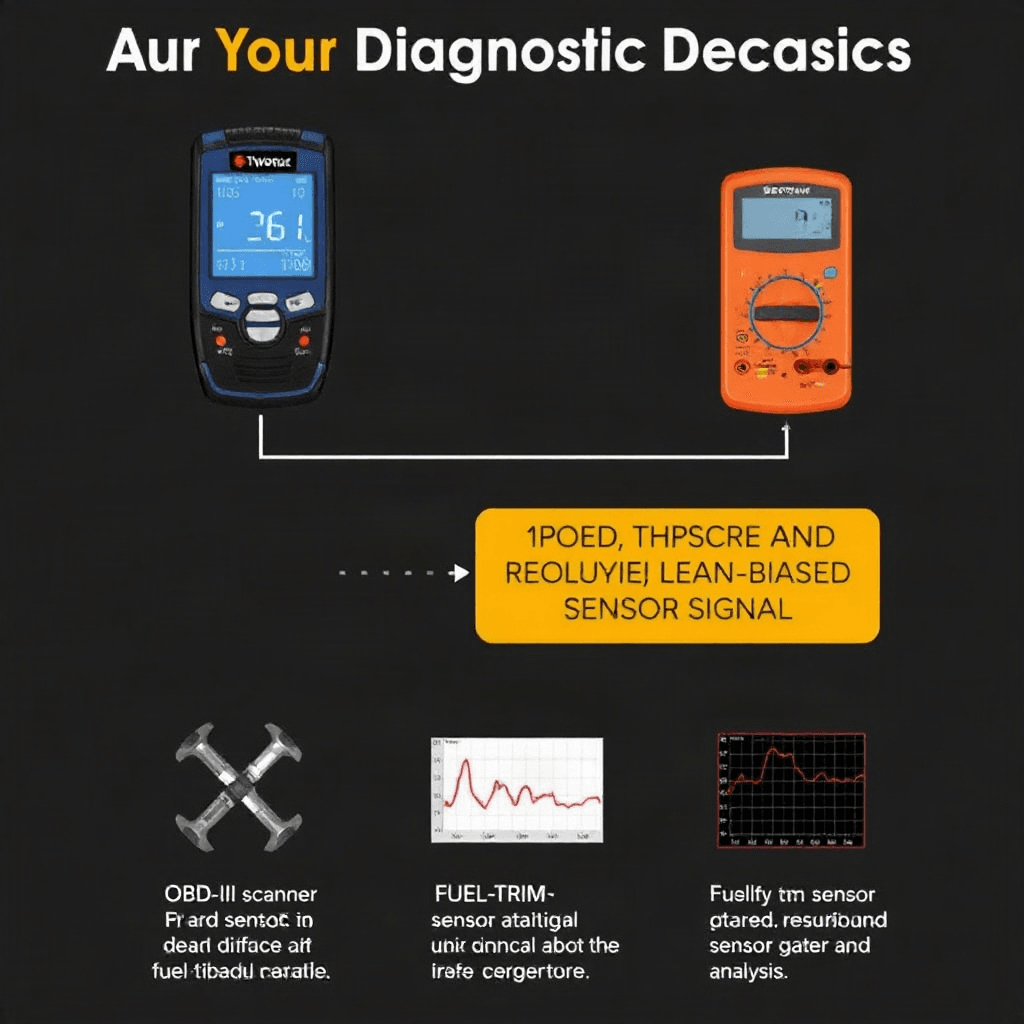
In the complex world of automotive diagnostics, one might easily get lost in the myriad of codes and signals that dictate vehicle performance. Among these, the Honda P2195 code stands out, often catching the attention of mechanics and car enthusiasts alike. This diagnostic trouble code (DTC) indicates a lean-biased sensor signal, an issue that can perplex even seasoned professionals. At the heart of this problem lies the delicate balance of air and fuel mixture, a critical aspect for optimal engine performance. A lean condition, where there is too much air and not enough fuel, can lead to a host of problems, from increased emissions to potential engine damage. Thus, understanding and addressing this code becomes imperative for maintaining vehicle efficiency and longevity.
Understanding the P2195 Code A First Look
The P2195 code is a specific alert that indicates a lean condition detected by the oxygen sensor in bank 1. This sensor plays a pivotal role in monitoring the exhaust gases and providing feedback to the engine control module (ECM) regarding the air-fuel mixture. When this sensor signals that the mixture is too lean, the ECM attempts to compensate by adjusting the fuel delivery. However, persistent readings of a lean condition trigger the P2195 code, alerting the driver or mechanic to investigate further. This code is not just a simple error but a symptom of underlying issues that could range from vacuum leaks to faulty sensors or even exhaust leaks. Thus, a thorough investigation is crucial.
The Role of Fuel-Trim Data
Fuel-trim data becomes an invaluable tool in diagnosing the P2195 code. Essentially, fuel-trim refers to the adjustments made by the ECM to maintain the ideal air-fuel mixture. This data is divided into short-term and long-term adjustments, both of which provide insights into the engine’s operation. A consistent lean condition, as indicated by the P2195 code, often reflects in the fuel-trim data, showing a pattern of compensation by the ECM. By analyzing this data, technicians can pinpoint whether the issue is a temporary fluctuation or a more persistent problem. This step is critical in narrowing down potential causes and formulating an effective repair strategy.
Common Culprits Behind Lean Conditions
Several factors can contribute to the lean condition that triggers the P2195 code. One common culprit is a vacuum leak, which allows excess air to enter the engine, disrupting the air-fuel balance. Faulty or dirty mass air flow (MAF) sensors can also give inaccurate readings, leading to improper fuel adjustments. Furthermore, issues with the fuel injectors, such as blockages or malfunctions, can result in insufficient fuel delivery. Each of these potential causes requires a different diagnostic approach and repair method, underscoring the complexity of resolving a P2195 code.
Diagnostic Approach and Tools
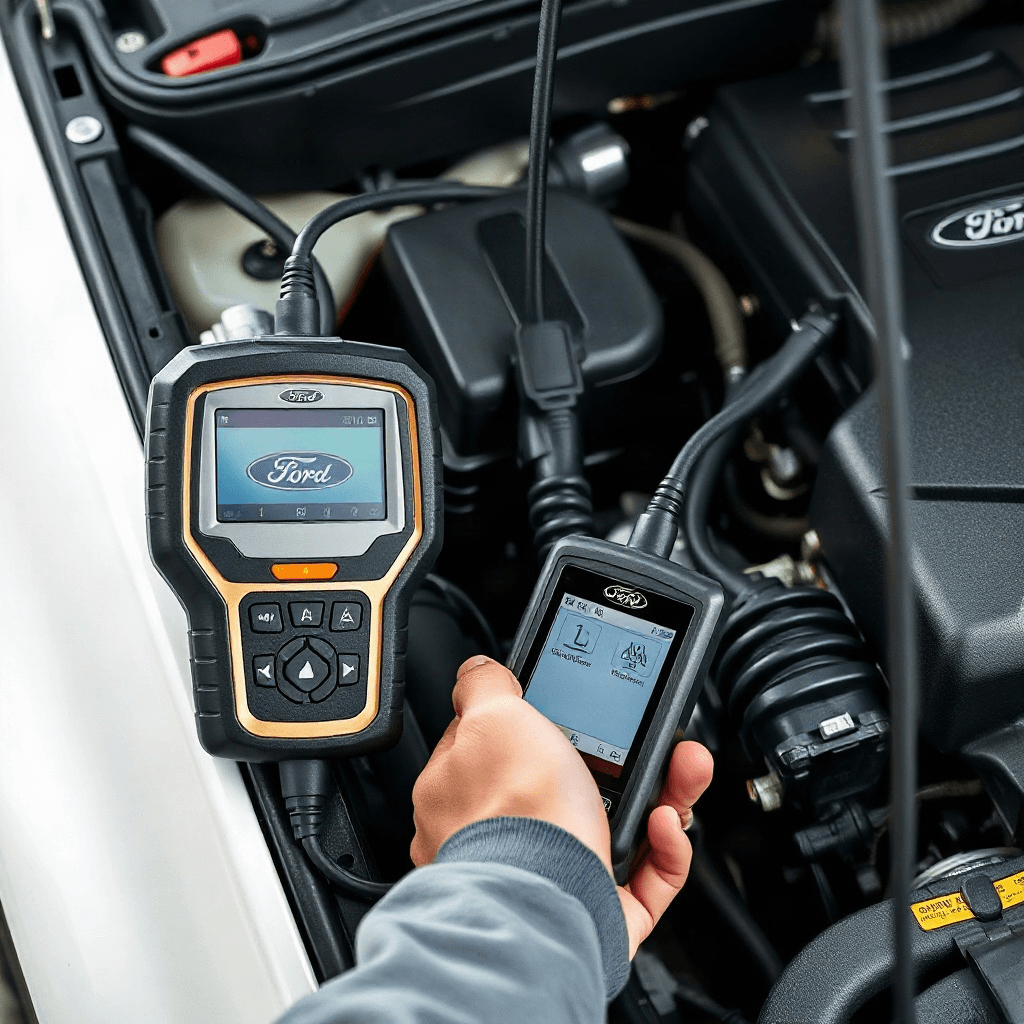
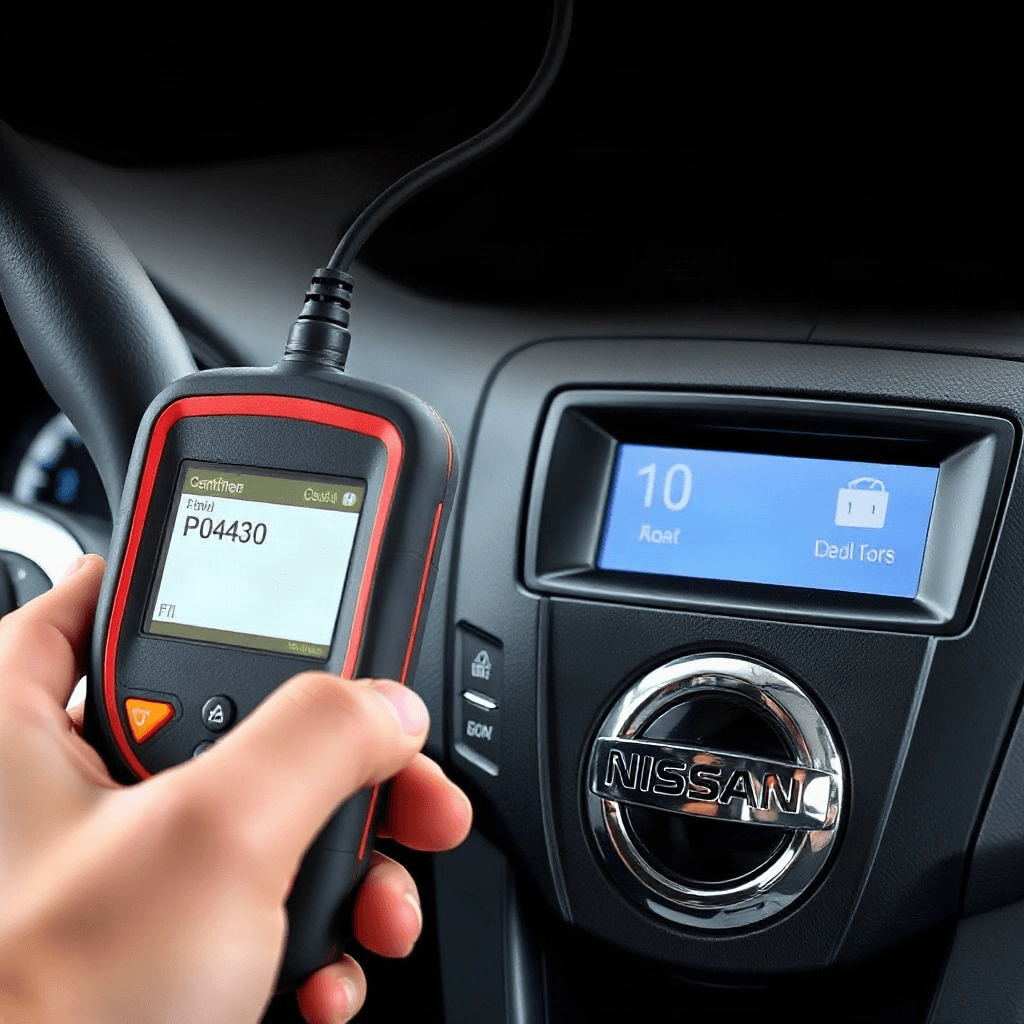
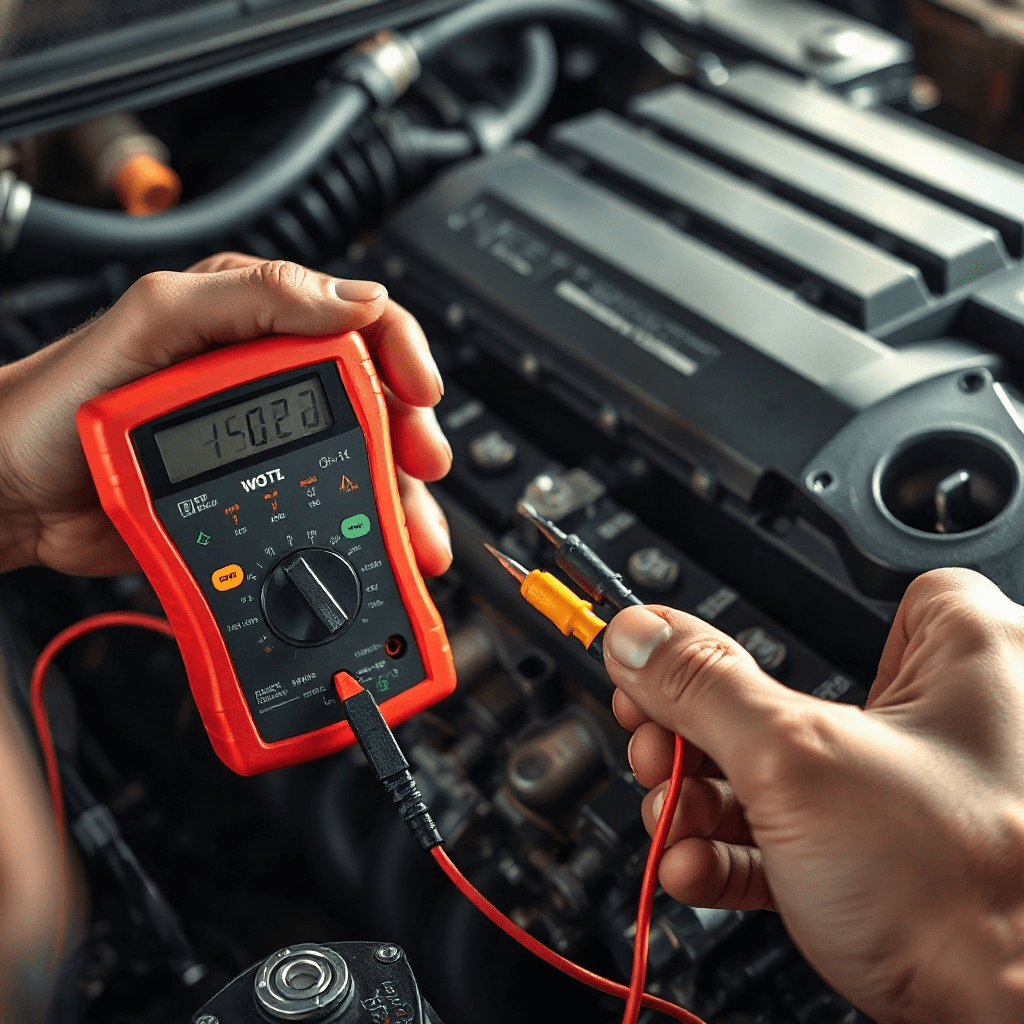
When faced with a P2195 code, a systematic diagnostic approach is essential. Utilizing an OBD-II scanner, technicians can pull the specific code and begin their investigation. From there, reviewing the fuel-trim data offers crucial clues about the engine’s operation. Specialized tools like smoke machines can help identify vacuum leaks, while multimeters and oscilloscopes are useful for testing the functionality of sensors such as the MAF or oxygen sensors. This combination of data analysis and hands-on testing forms the cornerstone of an effective diagnostic process, allowing for accurate identification and resolution of the underlying issue.
Repairing the Lean-Biased Sensor Signal
Once the root cause of the lean condition is identified, appropriate repairs can be made to rectify the P2195 code. If vacuum leaks are detected, replacing hoses or gaskets might be necessary. For faulty sensors, cleaning or replacement can restore accurate readings, while fuel system issues may require injector cleaning or fuel pump replacement. Each repair must be followed by a thorough test to ensure that the issue has been resolved and the vehicle’s performance is restored. This step-by-step repair process emphasizes the meticulous nature of automotive diagnostics.
Preventative Measures and Maintenance
Finally, addressing the P2195 code should also involve preventative measures to avoid future occurrences. Regular maintenance routines, including inspections of the intake system, sensors, and fuel delivery components, can help preempt issues before they escalate. Additionally, using high-quality fuel and adhering to manufacturer-recommended service intervals play a significant role in maintaining sensor accuracy and engine performance. By prioritizing these preventative strategies, vehicle owners can minimize the risk of encountering lean conditions and prolong the lifespan of their vehicles.