P0068 Code: MAP/MAF and Throttle Position Correlation Fault
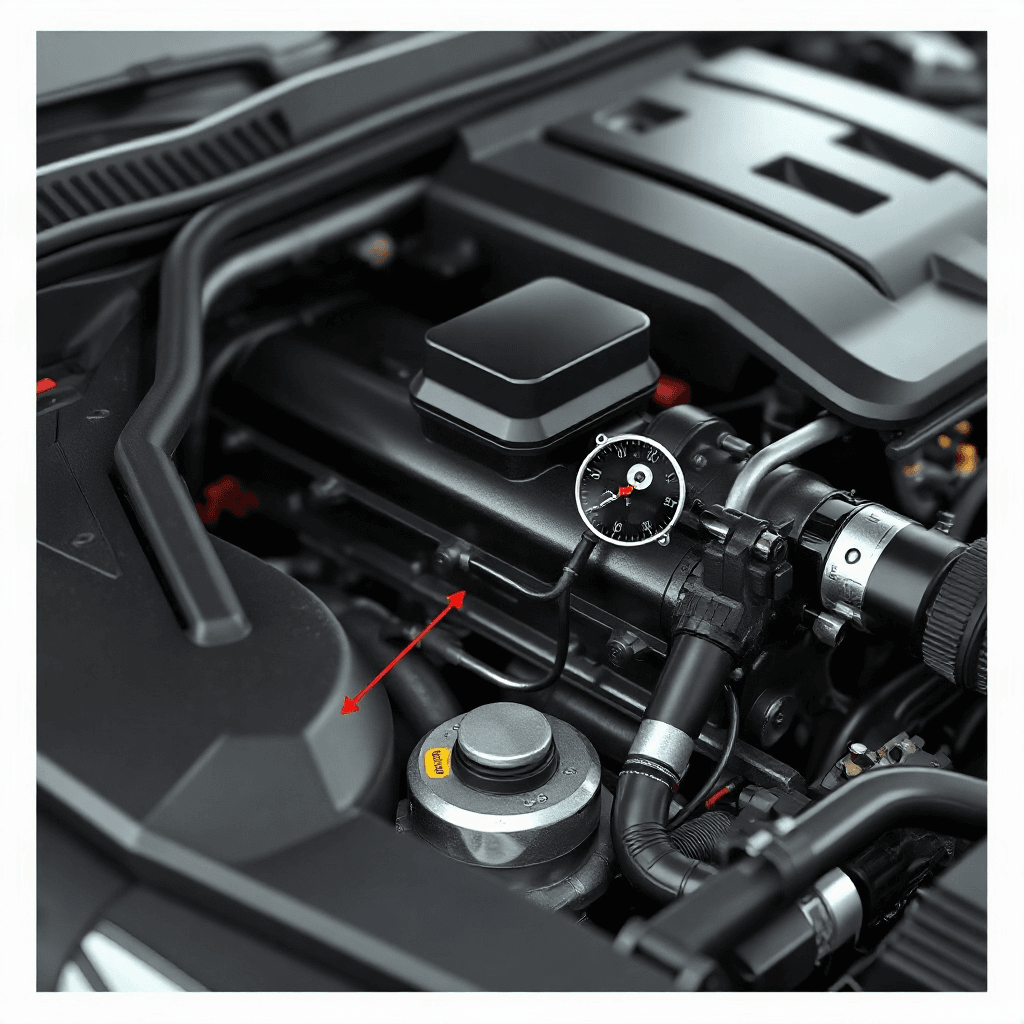
The automotive world is filled with numerous codes and technical jargon, each with its own significance and impact on vehicle performance. Among these, understanding what the P0068 code signifies and how it affects a vehicle is crucial for both mechanics and vehicle owners. Essentially, the P0068 code relates to a discrepancy between the Manifold Absolute Pressure (MAP) sensor, the Mass Air Flow (MAF) sensor, and the throttle position. This discrepancy could signal a variety of issues ranging from minor sensor malfunctions to more significant engine problems. Through a comprehensive analysis, we aim to shed light on the intricacies of this code and offer insights into both its causes and solutions.
Understanding the P0068 Code
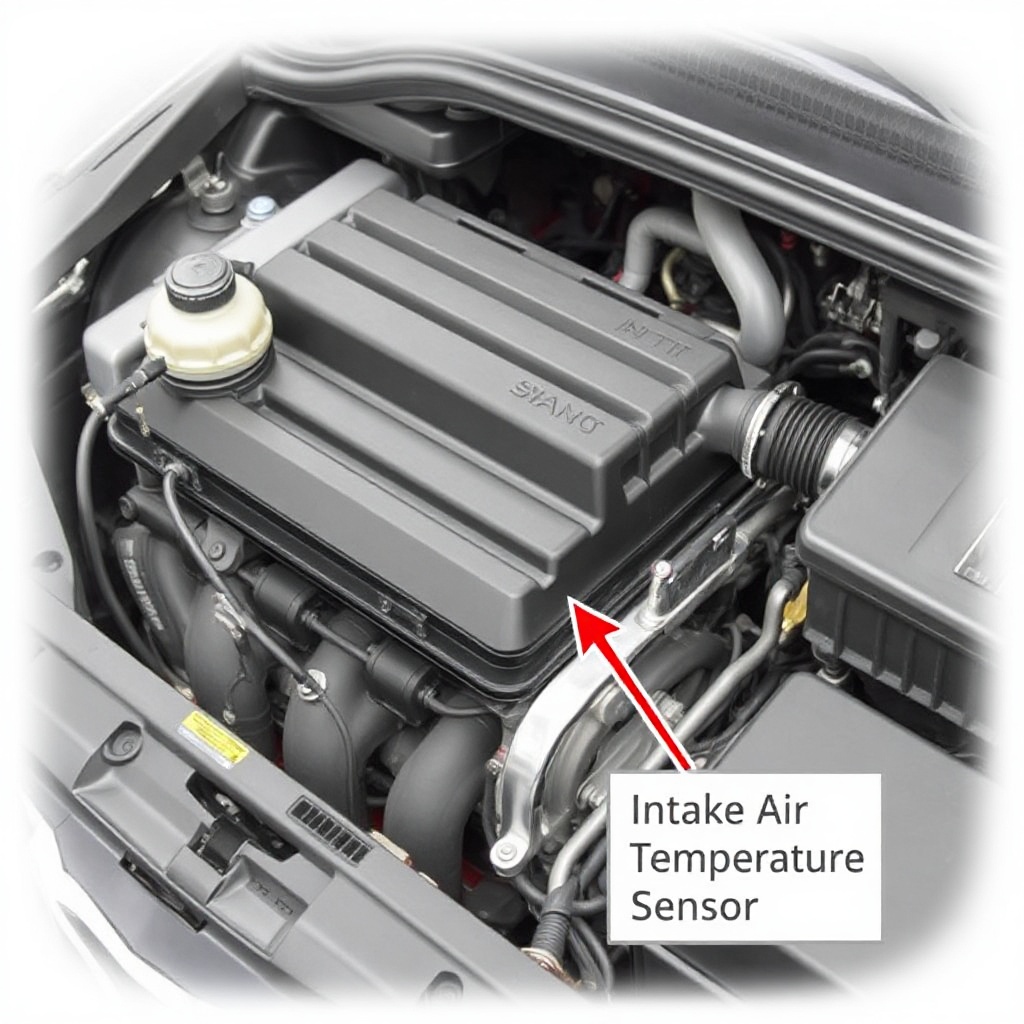
To fully grasp the implications of the P0068 code, we must first understand the role of the sensors involved. The MAP and MAF sensors play pivotal roles in determining the air quality and quantity entering the engine. Meanwhile, the throttle position sensor is responsible for monitoring the opening angle of the throttle valve. A harmonious balance and accurate readings from these sensors are essential for optimal engine performance. When the P0068 code is triggered, it indicates a mismatch between the expected values of these sensors. This misalignment can lead to inefficient fuel combustion, reduced engine performance, and potentially increased emissions.
Common Causes of the P0068 Code
Identifying the root cause of the P0068 code is a task that requires technical expertise. Common issues include vacuum leaks, faulty sensors, or even simple wiring problems. A vacuum leak allows unmetered air to enter the engine, disrupting the balance of the air-fuel mixture. Faulty sensors, whether they be the MAP, MAF, or throttle position sensor, can provide incorrect data, leading the engine control module (ECM) to make improper adjustments. Wiring issues, though often overlooked, can also result in incorrect readings due to poor connectivity or corrosion. Understanding these potential causes is the first step in diagnosing and resolving the issue.
Diagnostic Approaches for the P0068 Code
When approaching a diagnosis for the P0068 code, a systematic method is essential. Begin with a thorough visual inspection of all related components and wiring. Look for signs of wear, corrosion, or damage. Following this, using a diagnostic scanner to check for any additional codes can provide further insights into the problem. It’s also advisable to test the sensors individually. Checking the voltage and resistance levels can help determine if a sensor is malfunctioning. A smoke test may also be conducted to detect any vacuum leaks. These diagnostic steps are vital for accurately pinpointing the cause of the P0068 code.
Implications of Ignoring the P0068 Code
Ignoring the P0068 code can lead to a cascade of problems. Initially, the effects might be minor, such as a decrease in fuel efficiency or a slight drop in performance. However, prolonged neglect can exacerbate the issue, potentially leading to engine misfires, stalling, or even irreversible engine damage. The mismatch in sensor readings can cause the ECM to make incorrect adjustments, leading to improper combustion and increased wear and tear on engine components. Therefore, addressing the P0068 code promptly is essential to maintaining vehicle health and performance.
Solutions and Preventative Measures
Once the root cause of the P0068 code is identified, implementing the appropriate solution is crucial. Replacing or repairing faulty sensors and addressing wiring issues can resolve the problem. Additionally, fixing any vacuum leaks will ensure that the air-fuel mixture remains balanced. To prevent future occurrences, regular maintenance and inspections are advised. Keeping the throttle body clean, ensuring sensor connections are secure, and routinely checking for leaks can prevent the P0068 code from reappearing. By staying proactive, vehicle owners can minimize disruptions and maintain optimal engine performance.
Future Developments in Diagnostic Technologies
The automotive industry is continuously evolving, with advancements in diagnostic technologies playing a significant role. Future developments may introduce more sophisticated sensors and ECMs capable of self-correcting minor discrepancies, potentially reducing the occurrence of codes like P0068. Enhanced diagnostic tools with more precise data analysis capabilities could aid technicians in diagnosing issues more efficiently. As vehicles become more integrated with technology, the ability to remotely monitor and diagnose engine performance may become commonplace, offering vehicle owners peace of mind and reducing the likelihood of severe engine issues.