How to Read OBD-II Freeze-Frame Data Before Clearing a Trouble Code
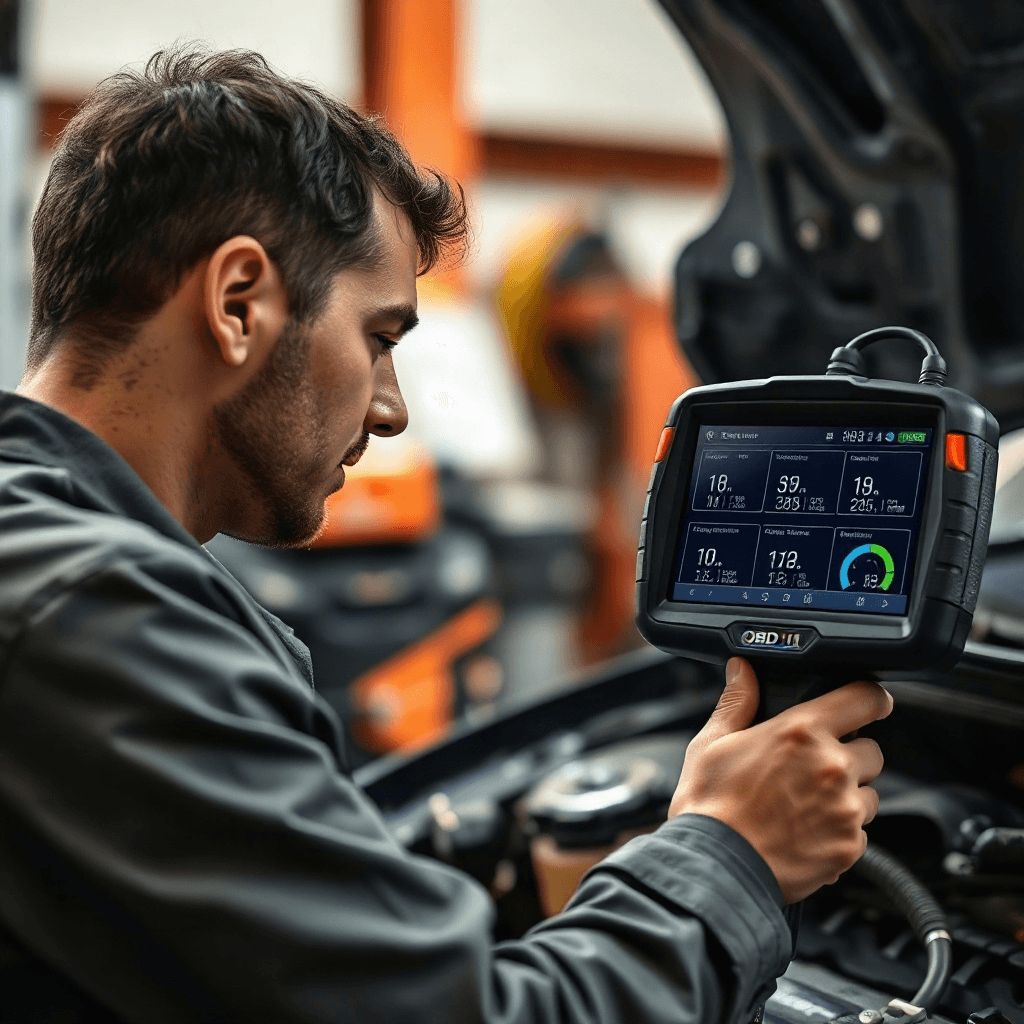
Reading and interpreting OBD-II freeze-frame data is an essential skill for anyone dealing with vehicle diagnostics and repair. This data provides a snapshot of the engine’s conditions at the time a trouble code was triggered, offering valuable insights into what might have gone wrong. Before clearing any trouble codes, it’s crucial to understand the freeze-frame data to ensure accurate diagnostics and effective repairs. In this article, we’ll explore the intricacies of reading OBD-II freeze-frame data, enabling us to diagnose vehicle issues with greater precision.
Understanding OBD-II Freeze-Frame Data
OBD-II freeze-frame data acts as a diagnostic tool that captures a snapshot of various engine parameters at the moment a trouble code is stored. This data typically includes information such as engine speed, throttle position, fuel system status, and engine load. By examining these parameters, we can identify anomalies that may have led to the issue. The significance of freeze-frame data lies in its ability to provide context, allowing us to understand the conditions under which the vehicle’s systems were operating when the fault was detected. This is particularly useful for diagnosing intermittent issues that might not be apparent during a static inspection.
Interpreting Engine Speed and Load
One of the key components of freeze-frame data is the engine speed and load at the time of the fault. Engine speed, measured in revolutions per minute (RPM), can indicate whether the vehicle was idling, accelerating, or cruising when the issue occurred. Combined with engine load data, which reflects the engine’s workload at that moment, we can infer whether the fault was related to a particular driving condition. For example, a high engine load combined with low RPM might suggest a problem under heavy acceleration or when climbing a hill. By analyzing these metrics, we can narrow down potential causes and focus on relevant systems, saving time and resources during the diagnostic process.
Evaluating Fuel System Status
Another critical aspect of freeze-frame data is the fuel system status. This information reveals whether the vehicle was operating in an open or closed-loop mode, indicating how the engine’s fuel mixture was being controlled. In open-loop mode, the engine relies on pre-programmed settings, while in closed-loop mode, it adjusts the fuel mixture based on real-time feedback from oxygen sensors. If a trouble code relates to the fuel system, examining its status during the fault event can provide valuable clues. For instance, if the vehicle was in open-loop mode unexpectedly, it could point to issues with fuel delivery or sensor malfunctions.
Analyzing Throttle Position
Throttle position data offers insights into the driver’s input and the engine’s response at the moment of the fault. This parameter helps us determine if the issue was related to sudden throttle changes or if it occurred under steady-state conditions. A discrepancy between the expected and actual throttle position can indicate problems with the throttle body, sensors, or even the electronic control unit (ECU). By correlating throttle position with other freeze-frame data, such as engine speed and load, we can piece together a more comprehensive picture of the events leading up to the trouble code.
Considering Temperature Readings
Temperature readings within freeze-frame data provide additional context for diagnosing issues. Engine coolant temperature and intake air temperature are two critical parameters that can influence engine performance and emissions. An abnormal coolant temperature might suggest a problem with the cooling system, while unusual intake air temperature could indicate issues with the air intake or sensors. By considering temperature data alongside other freeze-frame metrics, we can identify environmental factors that may have contributed to the fault, guiding our diagnostic efforts towards specific components or systems.
Linking Freeze-Frame Data to Repair Actions
After thoroughly analyzing the freeze-frame data, we can develop a targeted repair strategy. It’s important to remember that while freeze-frame data offers valuable insights, it should be used in conjunction with other diagnostic tools and tests. By correlating the data with live sensor readings and conducting further inspections, we can validate our hypotheses and ensure accurate repairs. Before clearing any trouble codes, we must be confident that the underlying issue has been addressed to prevent recurring problems. For additional insights into diagnostics, consider exploring resources on [vehicle repair techniques].