Engine Misfires After Rain: Moisture, Wiring, and Ignition Checks
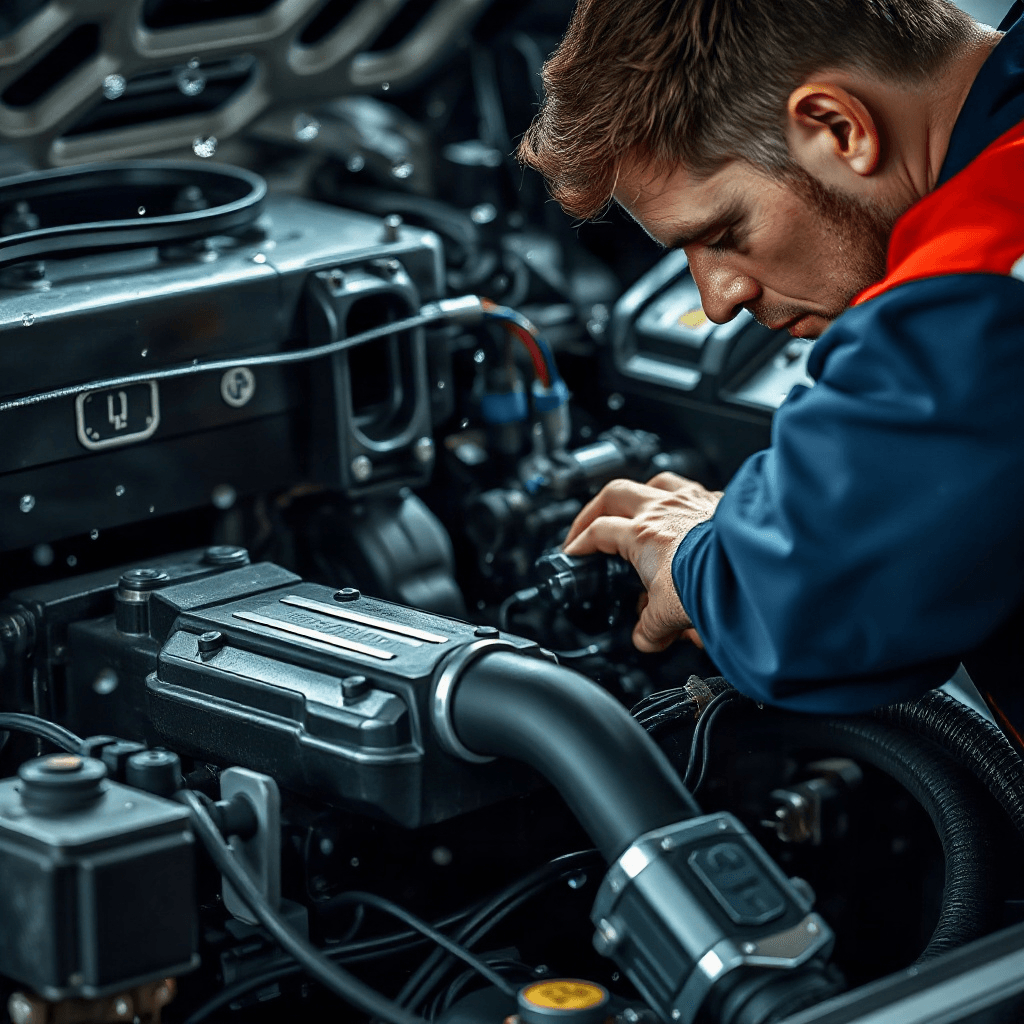
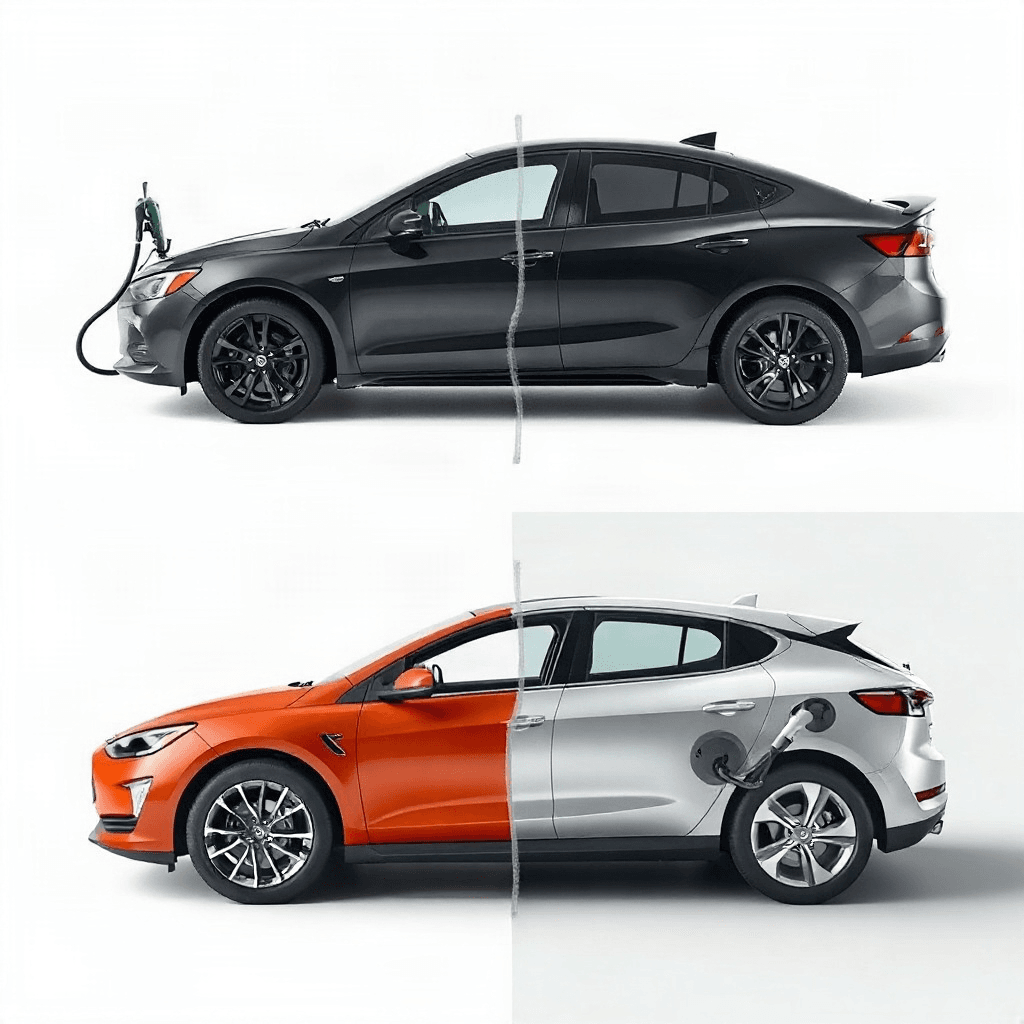
Engine malfunctions, particularly misfires following rain, pose a significant challenge for many vehicle owners. Such issues often stem from factors related to moisture, wiring, and ignition checks, each playing a critical role in the engine’s performance. Understanding these components and their interplay can help us diagnose and resolve the underlying problems effectively. Our exploration will cover the intricacies of moisture infiltration, the impact on electrical systems, and how these factors culminate in engine misfires. Delving deeper into these aspects will provide valuable insights, equipping us to tackle such automotive issues with greater confidence and efficiency.
The Role of Moisture in Engine Performance
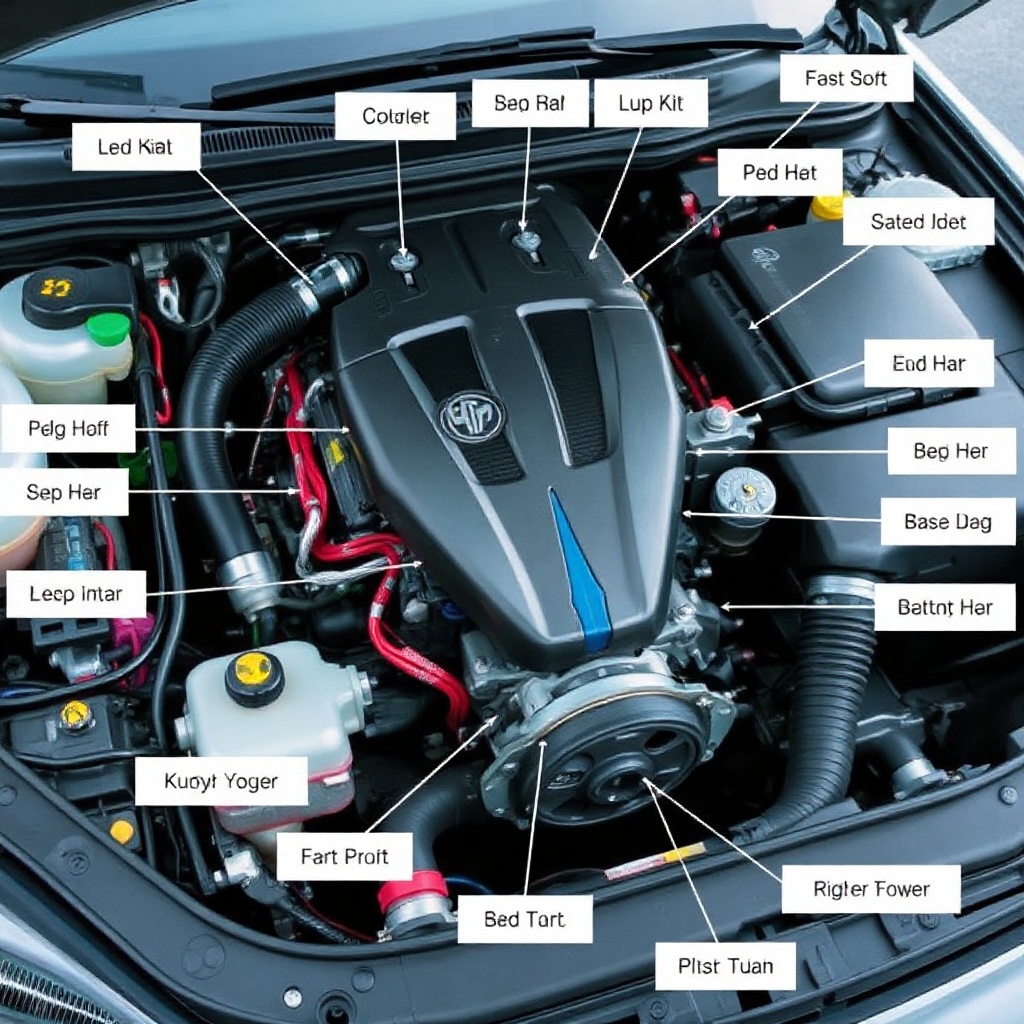
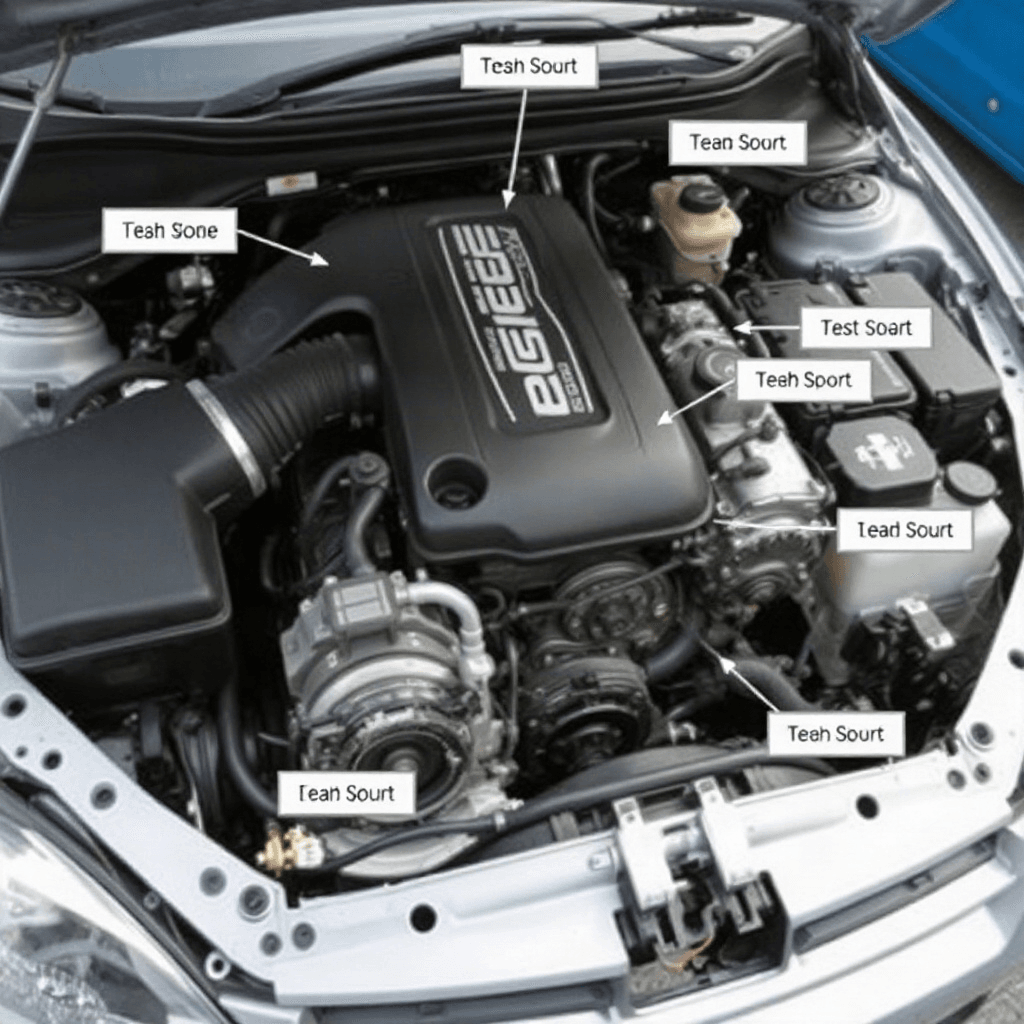
Moisture is a silent adversary that can significantly impact engine performance, especially after a rainstorm. When moisture finds its way into the engine bay, it can infiltrate crucial components such as the spark plugs, distributor cap, and ignition wires. This infiltration can lead to short circuits or impede the electrical current necessary for proper engine function. Often, the symptoms manifest as a rough idle, stalling, or a noticeable drop in power. By understanding how moisture operates within the engine environment, we can take preventive measures, such as utilizing moisture-resistant components or sealing areas vulnerable to water entry, to mitigate its effects.
Importance of Wiring in Ignition Systems
The ignition system’s wiring is the circulatory system of the engine, crucial for delivering the electrical power necessary for ignition. After rainfall, moisture can compromise the integrity of the wiring, leading to corrosion or short circuits. Damaged wiring can disrupt the flow of electricity, causing misfires and even complete engine failure. Regular inspection and maintenance of the wiring system, including connectors and terminals, are essential steps in ensuring a robust ignition system. By focusing on the condition and quality of the wiring, we can reduce the risk of faults and maintain optimal engine performance.
Diagnosing Ignition System Faults
Diagnosing faults within the ignition system requires a systematic approach, particularly after exposure to moisture. Tools such as multimeters can be used to test for continuity and resistance in the wiring and ignition components. Observing the spark plug condition can also provide clues; wet or fouled plugs may indicate moisture ingress. Furthermore, the distributor cap should be inspected for cracks or moisture accumulation. By employing a thorough diagnostic process, we can pinpoint the exact source of the issue and apply appropriate corrective measures, thus ensuring the engine runs smoothly.
Preventive Measures Against Moisture Damage
Prevention is always better than cure, and this adage holds true for preventing moisture-related engine issues. Simple practices, such as parking in covered areas or using engine covers, can significantly reduce the risk of moisture ingress. Additionally, applying dielectric grease to electrical connectors and ignition components can create a moisture barrier, preventing corrosion and electrical faults. Regularly cleaning and inspecting the engine bay for signs of water accumulation or damage can also help maintain engine health. These preventive strategies are essential for prolonging the life of the engine and avoiding costly repairs.
Long-Term Effects of Ignition System Issues
Long-term exposure to moisture and unresolved ignition system issues can lead to severe engine damage. Persistent misfires can cause unburned fuel to enter the exhaust system, damaging the catalytic converter and increasing emissions. Moreover, continuous misfiring places additional stress on engine components, leading to premature wear and potential failure. Understanding these long-term consequences emphasizes the importance of addressing ignition issues promptly. Regular maintenance and timely repairs ensure the longevity of the engine and contribute to environmental sustainability by reducing emissions.
Integrating Technology for Better Diagnostics
Advancements in automotive technology have paved the way for more sophisticated diagnostic tools, enabling precise detection of ignition system faults. Modern vehicles equipped with onboard diagnostics (OBD) systems can provide real-time data on engine performance, highlighting issues such as misfires or poor ignition timing. Utilizing these technological tools enhances our ability to diagnose and resolve problems efficiently. By integrating technology with traditional diagnostic methods, we can achieve a comprehensive understanding of engine health and ensure optimal performance even after adverse weather conditions.