What Does a Lost-Communication U-Code Actually Tell You?
In the ever-evolving world of automotive technology, understanding diagnostic codes has become essential for both technicians and vehicle owners. Among these, U-codes, specifically those indicating lost communication, play a crucial role in identifying communication issues within a vehicle’s network. These codes can be daunting, carrying the potential to signify anything from a minor glitch to a significant system failure. In this article, we’ll delve into the intricacies of lost-communication U-codes, offering a comprehensive guide to their meanings and implications.
Understanding U-Codes in Vehicle Diagnostics
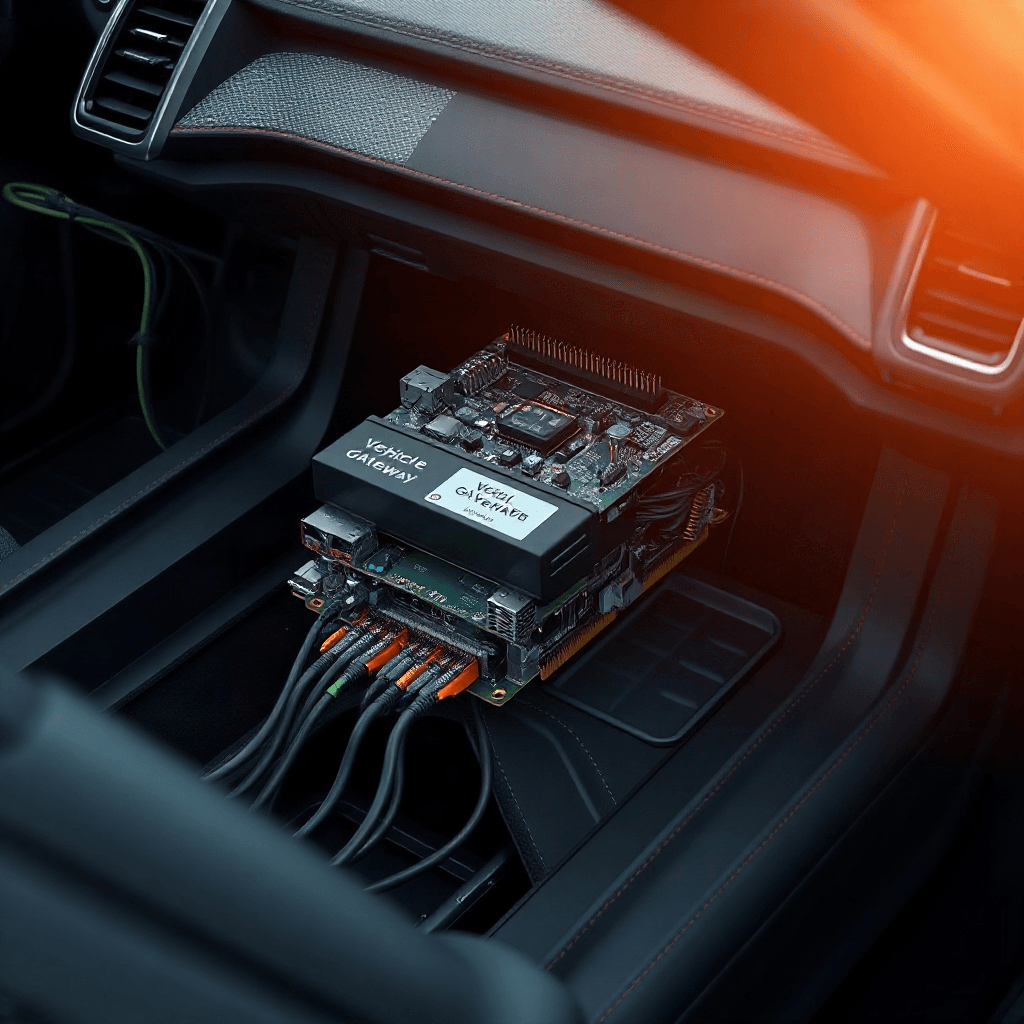
U-codes are a subset of standardized diagnostic trouble codes (DTCs) used by onboard diagnostics (OBD) systems to identify issues in a vehicle’s communication network. Unlike P-codes, which relate to the powertrain, or B-codes and C-codes, which pertain to body and chassis systems, U-codes specifically focus on the vehicle’s communication infrastructure. They are critical for diagnosing problems in the Controller Area Network (CAN), a sophisticated system that connects various electronic control units (ECUs) in modern vehicles. When a U-code is triggered, it typically means there’s a disruption in the communication channel between two or more modules, which can significantly affect vehicle performance and safety.
Common Causes of Lost-Communication U-Codes
The occurrence of a lost-communication U-code can be attributed to several factors. One common cause is a faulty or damaged wiring harness, which can impede signals between ECUs. Another potential issue is a malfunctioning control module itself, which may fail to send or receive data correctly. Environmental factors, such as moisture or corrosion, can also contribute to connectivity problems. Even something as simple as a loose or corroded connector can result in a U-code. Understanding these causes is the first step in effective troubleshooting and repair, reducing the chance of misdiagnosis and ensuring efficient problem resolution.
Diagnosing Lost-Communication U-Codes
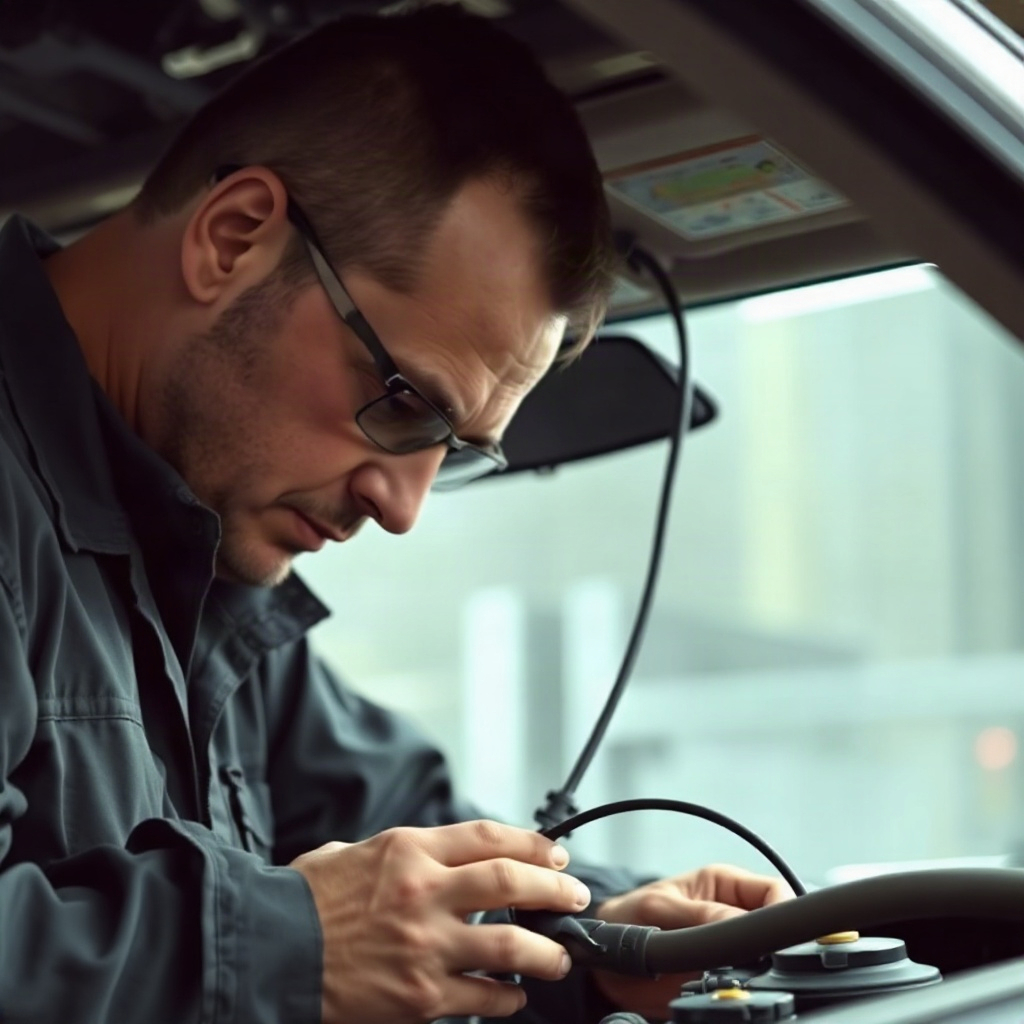
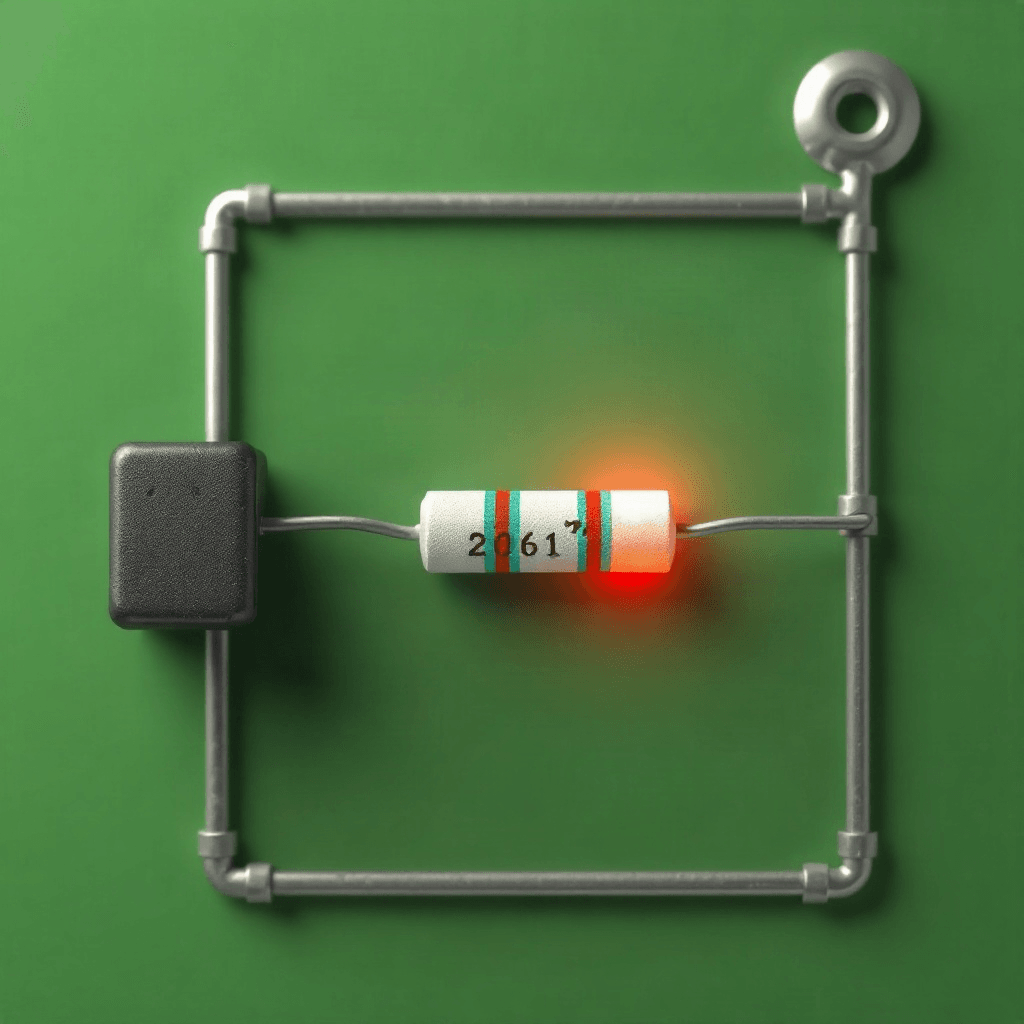
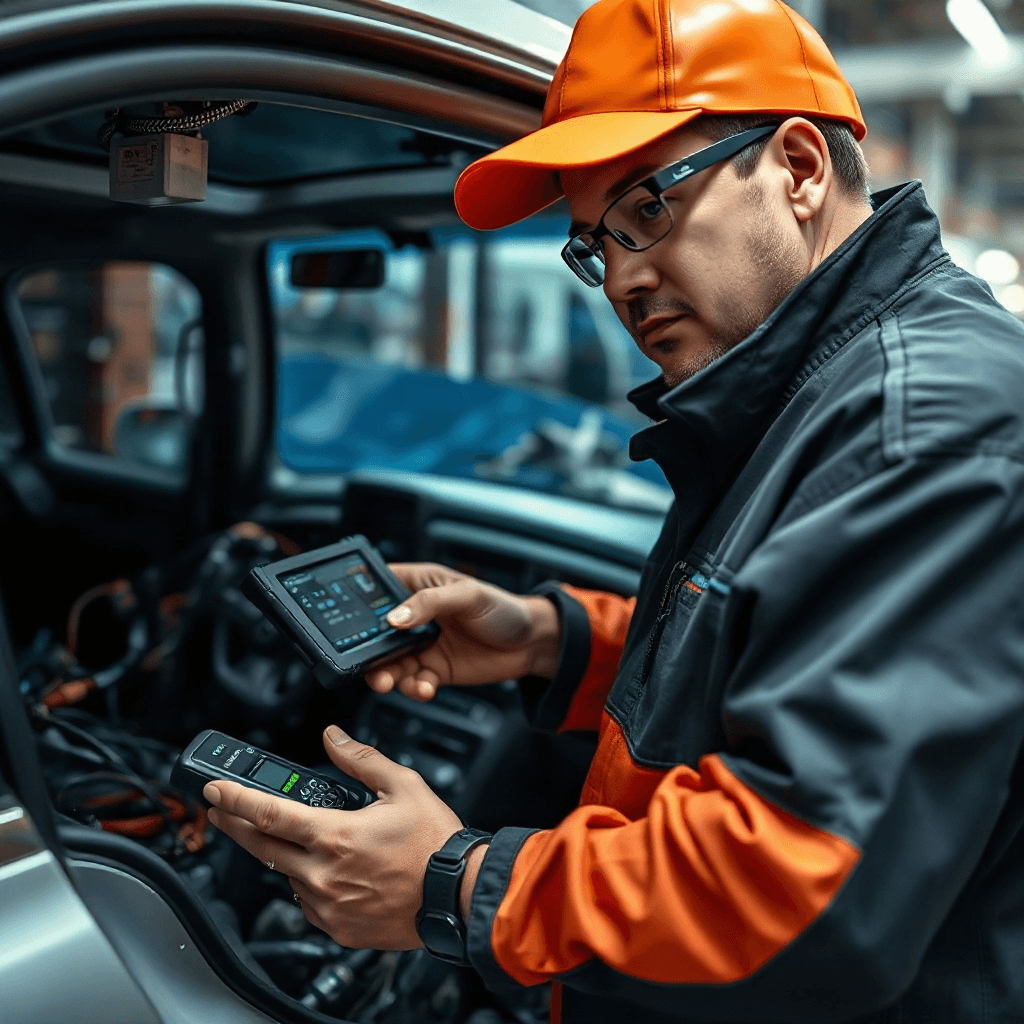
Diagnosing a lost-communication U-code requires a systematic approach. Technicians typically begin with a thorough inspection of the vehicle’s wiring and connectors, checking for any obvious signs of damage or wear. Advanced diagnostic tools are often employed to pinpoint the exact location of the communication failure. These tools can read live data streams from the vehicle’s network, offering insights into which modules are affected. Additionally, technicians may perform continuity tests on the wiring to ensure proper connectivity. By following these steps, a clear picture of the issue can be developed, facilitating accurate and efficient repairs.
Implications for Vehicle Performance and Safety
Lost-communication U-codes can have far-reaching implications for vehicle performance and safety. When ECUs fail to communicate effectively, critical systems may not operate as intended. For instance, a disruption in communication between the brake control module and the engine control unit could impair braking performance. Similarly, communication failures can affect systems such as airbags, traction control, and even engine management. It is vital for vehicle owners and technicians to address these codes promptly to maintain optimal vehicle functionality and ensure the safety of all occupants.
Preventive Measures and Regular Maintenance
To prevent the occurrence of lost-communication U-codes, regular vehicle maintenance is essential. This includes routine inspections of the vehicle’s wiring and connectors for signs of wear or corrosion. Additionally, ensuring that software updates are regularly applied to the vehicle’s ECUs can help maintain compatibility and prevent communication errors. Keeping the vehicle’s electrical system clean and dry will also aid in preventing moisture-related issues. By implementing these preventive measures, vehicle owners can reduce the risk of encountering U-codes, thus maintaining better overall vehicle health.
The Future of Vehicle Diagnostics
As automotive technology continues to advance, the complexity of vehicle diagnostics will inevitably increase. Emerging technologies, such as vehicle-to-everything (V2X) communication, will introduce new diagnostic challenges and opportunities. U-codes will continue to play a crucial role in this evolving landscape, serving as a key tool for identifying communication issues. The ongoing development of more sophisticated diagnostic tools and techniques will enhance the ability to diagnose and resolve U-codes efficiently. As we move toward increasingly connected and autonomous vehicles, mastering the interpretation of U-codes will be more critical than ever in ensuring vehicle reliability and safety.