What Accelerator Pedal Position Sensor Data Means on a Scan Tool
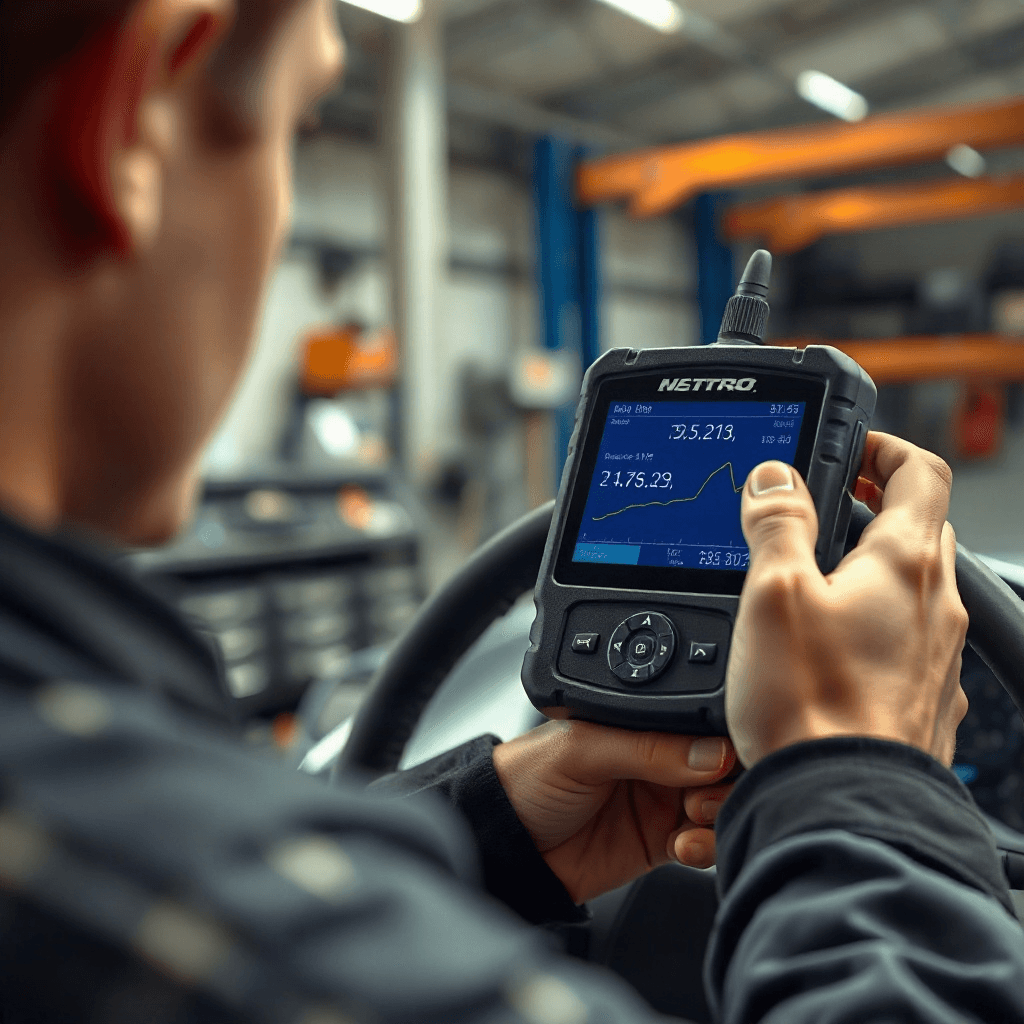
In the world of automotive diagnostics, the accelerator pedal position sensor (APPS) data serves as a vital component in ensuring a vehicle’s smooth operation. When technicians connect a scan tool to a vehicle, the data retrieved from the APPS provides critical insights into the engine’s performance and driver’s intent. Understanding this data isn’t just about deciphering numbers; it’s about painting a picture of how the car responds to driver inputs and how efficiently it translates these inputs into motion. For the layperson, this might seem like a simple task of reading a gauge, but for the seasoned mechanic, it’s akin to reading the pulse of a complex organism. Delving into the intricacies of APPS data on a scan tool unveils the nuances of vehicle diagnostics and highlights the sophistication embedded in modern automotive technology.
Understanding the Role of APPS
The accelerator pedal position sensor is integral to the drive-by-wire systems prevalent in modern vehicles. Unlike traditional mechanical linkages, these systems rely on electronic signals to communicate between the pedal and the engine’s throttle body. The APPS captures the position of the accelerator pedal and converts it into an electrical signal, which is then interpreted by the engine control unit (ECU). This process ensures that the vehicle accurately responds to the driver’s inputs. On a scan tool, the data from the APPS is crucial for diagnosing potential issues with throttle control, fuel efficiency, and even emissions. This sensor data is not just about numbers; it’s the language through which the vehicle communicates its operational status, providing insights into how well the vehicle can carry out the driver’s commands.
The Science Behind Sensor Data Interpretation
Interpreting APPS data requires a deep understanding of both electronics and vehicle dynamics. The data typically includes voltage levels that correlate with pedal positions—ranging from idle to full throttle. A technician must analyze these voltage readings to determine if they fall within the manufacturer-specified range. Deviations could indicate sensor malfunctions, wiring issues, or ECU errors. Moreover, understanding the correlation between the APPS data and other sensor readings, such as those from the throttle position sensor (TPS), is crucial. Technicians must possess the ability to cross-reference data from various sensors to diagnose issues accurately. This level of analysis is what separates a cursory glance at numbers from a comprehensive diagnostic assessment.
Common Issues Detected via APPS Data
APPS data is instrumental in identifying several common vehicle issues. For instance, a faulty sensor might send erratic signals, leading to poor throttle response or unexpected engine behavior. In some cases, a malfunctioning APPS could cause the vehicle to enter “limp mode,” a fail-safe mechanism that restricts engine power to prevent further damage. By analyzing APPS data on a scan tool, technicians can pinpoint whether these issues stem from the sensor itself or from related components in the throttle system. Moreover, consistent discrepancies between the APPS and TPS data might suggest a need for recalibration or replacement of components. This diagnostic capability underscores the importance of regular maintenance and timely troubleshooting in enhancing vehicle reliability.
The Importance of Calibration and Maintenance
Calibrating the accelerator pedal position sensor is a critical maintenance task that ensures accurate data reporting to the ECU. Over time, sensors can drift from their original settings due to wear and tear or environmental factors. Regular calibration helps maintain the precision of the sensor data, which in turn influences engine performance and fuel efficiency. Technicians must follow manufacturer-specific procedures to recalibrate the APPS correctly, ensuring that the vehicle operates smoothly. Proper maintenance of the APPS not only enhances vehicle performance but also extends the lifespan of the sensor and associated components. This attention to detail is crucial in the world of automotive diagnostics, where precision and accuracy are paramount.
Innovations and Future Directions
As vehicle technology continues to evolve, so too does the sophistication of diagnostic tools and sensors. Future innovations in APPS technology may include enhanced self-diagnostics, real-time data streaming, and integration with advanced driver-assistance systems (ADAS). These advancements could revolutionize how technicians access and interpret data, providing even more precise diagnostics and enabling proactive maintenance strategies. The integration of APPS data with other vehicle systems could also pave the way for smarter, more responsive vehicles. As the automotive industry moves towards greater connectivity and automation, the role of sensor data in shaping the driving experience will undoubtedly expand, offering new challenges and opportunities for technicians and engineers alike.
Practical Applications for Vehicle Owners
For vehicle owners, understanding the basics of APPS data and its implications can be empowering. While the intricacies of sensor data analysis are best left to professionals, having a general awareness of how these systems work can aid in timely maintenance and troubleshooting. By staying informed, vehicle owners can engage more effectively with technicians, asking informed questions and making better decisions about repairs and maintenance. Ultimately, this knowledge contributes to a more reliable and efficient driving experience, underscoring the value of technology in modern vehicles. As cars become increasingly reliant on electronic systems, the importance of understanding and maintaining these components cannot be overstated.